The Surprising Health Benefits of Coffee
Tips 23/02/2026 13:18

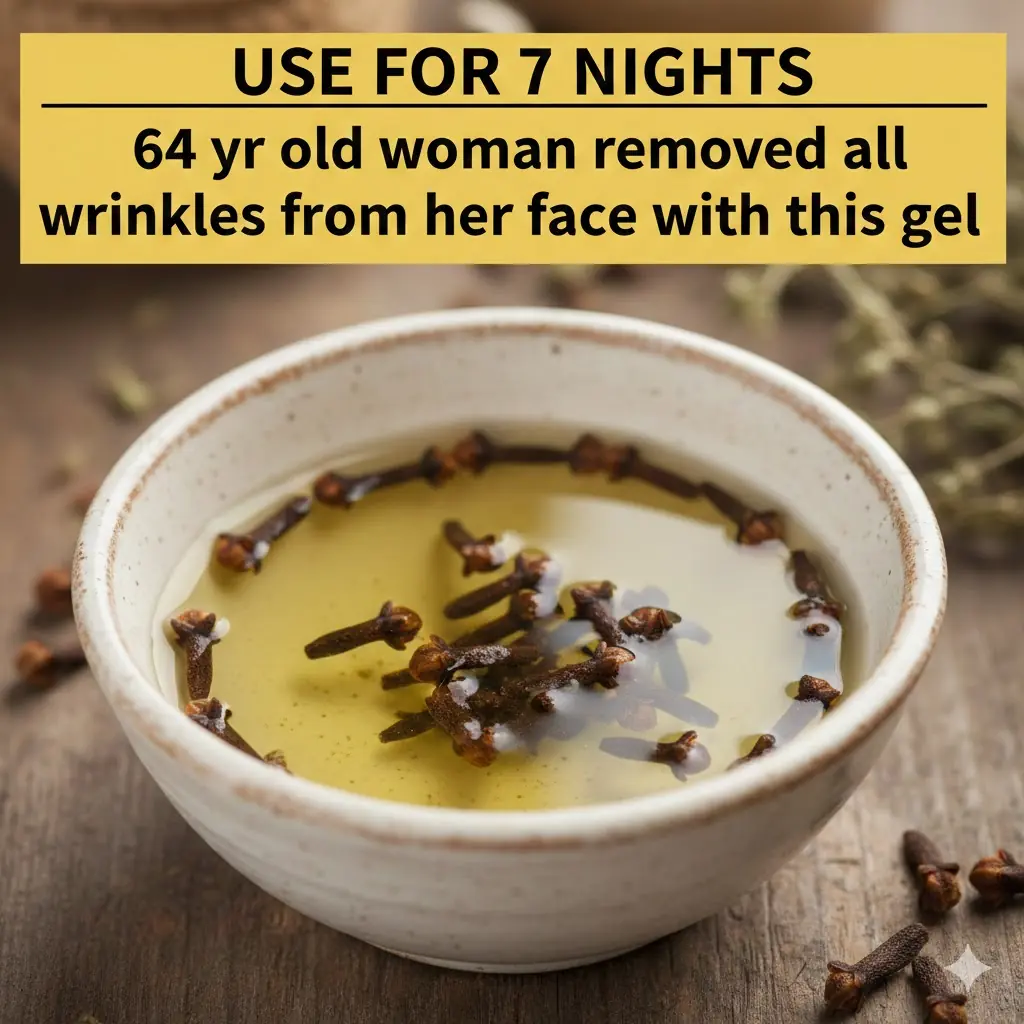
There’s absolutely nothing wrong with having wrinkles — they are a natural reflection of life, expression, and time. But there’s also nothing wrong with wanting to care for your skin and slow premature aging. What most people hope to prevent aren’t natural lines from smiling or living — but wrinkles caused by sun damage, dehydration, poor skincare habits, and chronic stress.
The good news? You don’t need extreme treatments to support healthy, resilient skin. Consistent, thoughtful habits can make a meaningful difference over time.
Here are eight practical, science-supported ways to help maintain smoother, healthier-looking skin as you age.
Your skin repairs itself overnight. Going to bed with makeup, sunscreen, oil, and pollution residue still on your face can accelerate visible aging. Debris trapped in pores contributes to inflammation, collagen breakdown, and fine lines.
To cleanse properly:
Use lukewarm water (not hot)
Choose a gentle, pH-balanced cleanser (skin’s natural pH is ~5)
Massage lightly — never scrub aggressively
Rinse thoroughly and pat dry with a soft towel
Skin-type tips:
Oily skin → oil-free or gel cleanser
Dry skin → cream-based, hydrating cleanser
Avoid hot water — it strips natural oils and weakens your skin barrier, leading to dryness and irritation.
Consistency matters more than intensity.
Sun exposure is the leading cause of premature skin aging, also known as photoaging. UV rays break down collagen and elastin — the proteins that keep skin firm and smooth.
A striking real-world example is Bill McElligott, a truck driver whose face aged significantly more on the side exposed to sunlight over decades. His case became a powerful visual reminder of long-term UV damage.
To protect your skin:
Wear broad-spectrum SPF 30+ sunscreen daily (even on cloudy days)
Reapply every 2–3 hours when outdoors
Use wide-brimmed hats and sunglasses
Seek shade during peak UV hours
Sunscreen is essential — but combining it with physical barriers provides stronger, long-term protection.
Hydrated skin appears fuller, smoother, and more elastic. Dry skin exaggerates fine lines and makes wrinkles more noticeable.
Apply moisturizer:
After washing your face
Before bed
After sun exposure
Look for ingredients such as:
Vitamin C (supports collagen and fights oxidative stress)
Squalane (lightweight hydration)
Jojoba oil (balances skin)
Olive oil (rich in antioxidants)
Moisturizing helps maintain the skin barrier, which protects against environmental damage and moisture loss.
Harsh scrubs can create micro-tears in the skin, worsening inflammation and accelerating aging. A microfiber cloth offers a gentler alternative.
How to use it:
Wet with warm water
Wring out excess moisture
Gently massage face in circular motions
Rinse with cool water
Use once or twice per week. This method lifts dirt and dead skin cells without damaging the skin barrier.
Your skin reflects what you eat. Diets high in processed foods, refined sugars, and red meat are linked to increased inflammation and wrinkle formation. In contrast, antioxidant-rich foods support cellular repair.
Focus on:
Green tea
Avocados
Flax seeds
Pomegranates
Carrots
Leafy greens
Broccoli
Pumpkin
Fresh juices like carrot, apple, and orange juice can also provide antioxidants that support skin elasticity.
Think of food as internal skincare.
Sleep is active repair time. During deep sleep, blood flow increases to the skin and collagen production rises. This helps repair daily environmental damage.
Lack of sleep increases cortisol — a stress hormone that breaks down collagen and accelerates wrinkle formation.
To protect your skin:
Aim for 7–9 hours nightly
Maintain a consistent sleep schedule
Use clean pillowcases
Consider sleeping on your back to reduce sleep-line creases
Good sleep refreshes your face as much as your mind.
Chronic stress elevates cortisol levels, which:
Weakens the skin barrier
Increases inflammation
Reduces hydration
Accelerates collagen loss
Stress also leads to habits that age skin faster — poor sleep, dehydration, unhealthy eating.
Simple stress-reduction strategies:
Daily walks or stretching
Deep breathing or meditation
Time outdoors
Digital boundaries
Calm skin often reflects a calmer nervous system.
Hydration is one of the most affordable and powerful anti-aging tools available.
Water:
Maintains elasticity
Supports nutrient transport
Helps flush metabolic waste
Keeps skin cells functioning optimally
Dehydrated skin looks dull, tight, and more prone to fine lines.
To stay hydrated:
Sip water throughout the day
Increase intake during heat or exercise
Eat water-rich foods (cucumbers, berries, oranges, leafy greens)
Topical moisturizers seal hydration in — but internal hydration keeps skin plump from within.
Aging is inevitable. Premature aging is not.
You don’t need perfection — just consistency. Gentle cleansing, daily sun protection, proper hydration, nutrient-rich foods, restorative sleep, and stress balance all work together to support healthy skin over time.
Wrinkles tell stories — but caring for your skin ensures they appear naturally, not prematurely.
Small daily habits today can protect your skin’s glow for years to come.