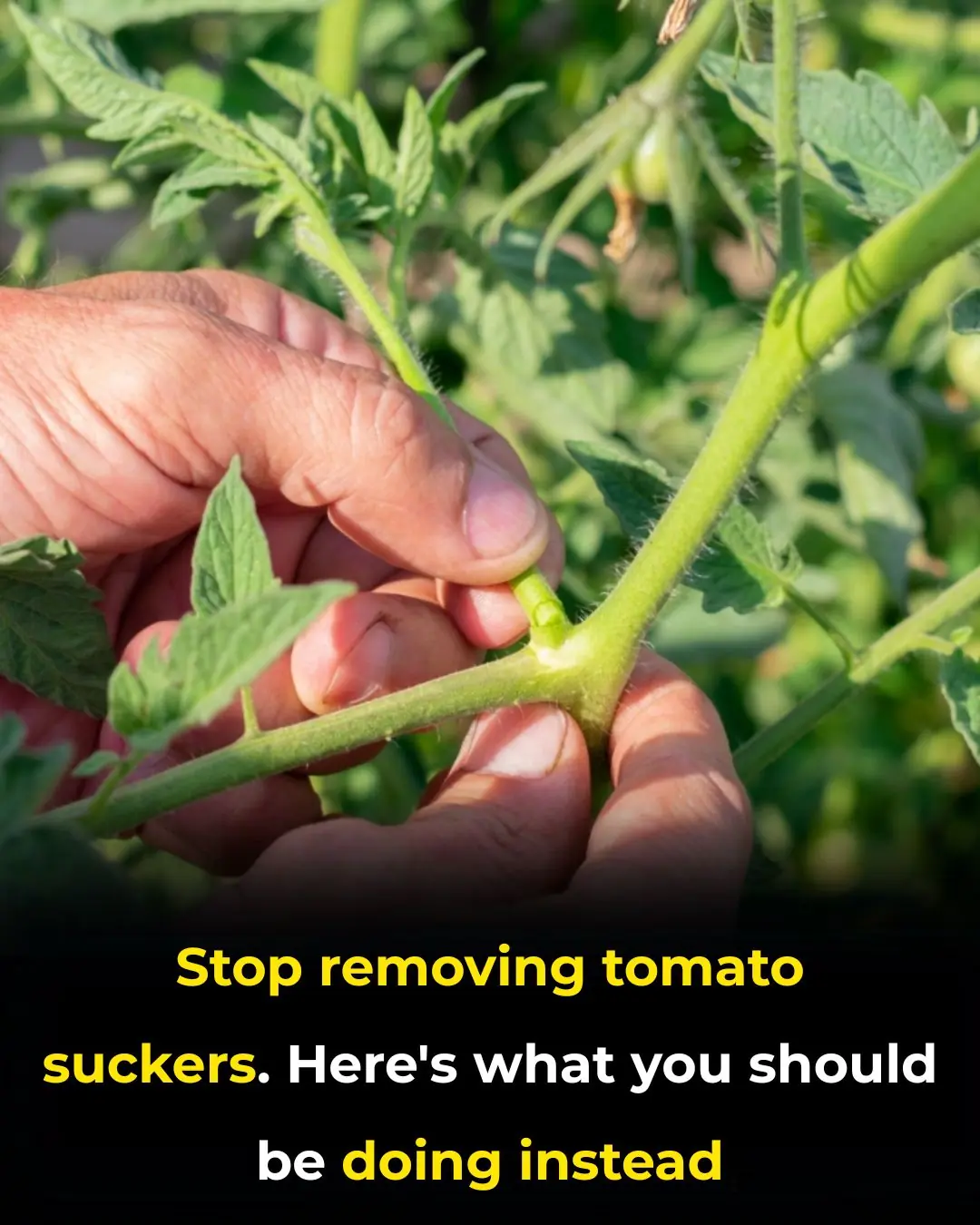
Why You Might Want to Stop Removing Tomato Suckers: What Gardeners Are Starting to Realize
News 15/12/2025 23:34
The Christmas cactus is one of the most treasured houseplants, admired for its brilliant blossoms that decorate homes during the holiday season. But nothing is more disappointing than seeing the buds — the promise of colorful flowers — suddenly dropping before they even open. Understanding the underlying causes of this issue can make the difference between a plant that blooms beautifully and one that looks barren and struggling.
Unlike desert cacti, the Christmas cactus (Schlumbergera species) originates from tropical rainforests, where it grows on tree branches and rocks in humid, stable environments. Because of this background, they have very particular needs when it comes to water, light, temperature, and day-night cycles. Changes in any of these conditions can cause buds to fall off — but many of these problems are preventable with the right care. According to horticulture experts, bud drop is one of the most common challenges in caring for Christmas cacti, and most causes are related to environmental stress.
It’s normal for a Christmas cactus to shed a few buds. Like many flowering plants, they sometimes drop buds naturally to focus energy on the strongest ones. However, losing more than half of the buds is usually a sign that the plant is stressed or being improperly cared for. If you notice excessive bud loss, it’s worth examining the plant’s environment and routine care practices.
Consistent temperature is crucial for Christmas cacti. Ideally, they prefer cool but stable conditions between about 60°F and 70°F (15°C–21°C). Quick changes — such as moving the plant near a heat vent one day and an open window the next — can shock it and trigger bud loss. Even a fluctuation of 10°F (5–6°C) can be enough to cause stress. Placing the plant away from heaters, air conditioners, and drafty windows helps avoid these shocks.
Because Christmas cacti evolved in humid rainforest environments, dry indoor air — especially in winter when heaters are running — can dehydrate tender buds and cause them to fall. Aim for a humidity level around 50–60%. This can be achieved by using a humidifier, placing the pot on a tray of water with pebbles, or misting the plant regularly. Maintaining moisture in the air supports healthy buds and reduces stress.
While Christmas cacti enjoy more moisture than desert succulents, they still require well-draining soil. Overwatering can fill air spaces in the soil with water, depriving roots of oxygen and leading to root rot — a key reason buds drop. Ensure your cactus pot has drainage holes and use a mix formulated for cacti and succulents. Let the top inch of soil dry out between waterings. Signs of overwatering include soft stems and yellowing leaves.
On the other hand, allowing the plant to become too dry can make it shed buds in an effort to conserve water. Water your cactus thoroughly when the soil feels slightly dry on top, rather than on a fixed schedule. Keeping a watering routine tuned to the plant’s needs — especially during the bloom period — supports bud retention and overall health.
Christmas cacti thrive in bright, indirect light. While they need plenty of light to encourage blooming, direct sunlight — especially through a window in summer — can scorch leaves and buds, causing them to fall prematurely. A north or east-facing window is ideal. If light is intense, sheer curtains can help diffuse it and protect the plant.
These plants are sensitive to how much light and dark they receive. To set up blooming properly, they need long nights (about 12–14 hours of darkness) and bright days. If your plant is exposed to artificial light during its “night” period — like from indoor lighting or streetlamps — it may fail to develop or retain buds. Ensuring a consistent light–dark cycle helps promote strong bud set.
Christmas cacti are particularly sensitive during the budding stage. Moving the plant while it’s forming buds — whether across the room or to a new home — can disrupt its rhythm and lead to bud drop. Once buds form, it’s best to keep the plant in a stable, protected location until blooming is complete.
Drafts from doors, windows, vents, or even frequent traffic can create small micro-environment changes that stress the cactus. These air movements can rapidly change temperature and humidity around the plant, triggering bud drop. Choose a quiet, draft-free spot for your cactus, and make small adjustments only when necessary.
Nutrient balance matters. Excess nitrogen, for example, promotes leafy growth at the expense of flowers. For best results, use a balanced, water-soluble fertilizer monthly from spring through early fall, and reduce feeding as the bloom season approaches. Over-fertilization or lack of nutrients can both affect bud formation.
Choosing the right pot size is important. A pot that’s too large may retain too much moisture and encourage root problems, while one that’s too small can restrict development. A pot only slightly larger than the root ball is usually a good fit. Avoid repotting during the budding phase, as disturbance can cause stress and bud drop.
Problems like mealybugs, spider mites, and fungal diseases can weaken plant health and lead to bud loss. Regularly inspect your cactus for signs of pests or disease. Prompt treatment with solutions like insecticidal soap, neem oil, or appropriate fungicides can prevent these issues from worsening.
You may see internet tips like homemade fertilizers or extreme light tricks. Many of these are based on anecdote rather than plant science and can actually harm your cactus. Stick to established, research-based care methods: maintain stable temperature, proper light cycles, good humidity, and correct watering practices.
Christmas cacti are rewarding plants that can bloom spectacularly when conditions are right. But because they evolved in stable, humid environments, they are sensitive to changes in temperature, humidity, light, and watering routines. Bud drop is often a symptom of stress — and with attentive care and the right environment, it’s usually preventable.
University of Minnesota Extension — Christmas cactus plant care and common problems.
National Gardening Association — light and bloom cycle for holiday cacti.
Gardening Know How — Christmas cactus watering and humidity needs.