
🦴 Hip Pain: What Does It Mean? Common Causes & When to Seek Help
Health 04/03/2026 21:58
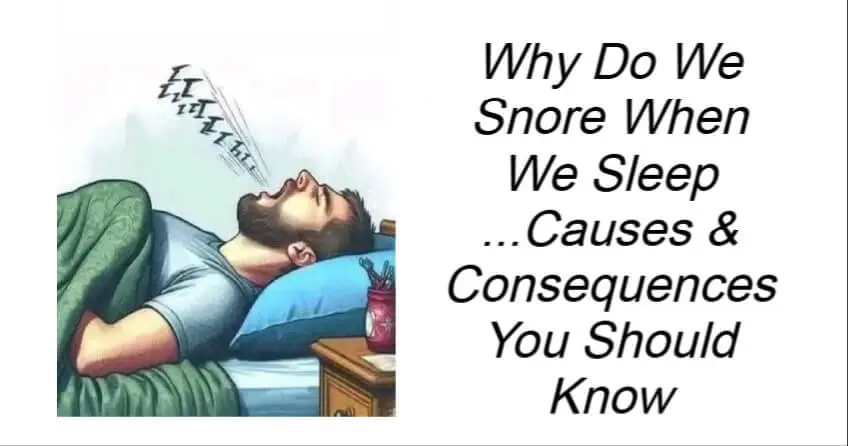
Snoring is a common occurrence that affects millions of people around the globe. While many treat it as nothing more than an annoying nighttime habit, consistent or loud snoring may actually indicate deeper health issues. Beyond disturbing others, it can significantly interfere with the quality of your own sleep. Gaining a clear understanding of what causes snoring—and the potential consequences—can help you take proactive steps toward better sleep and improved well-being.
Snoring is the hoarse or harsh sound that results when air cannot move freely through the nose and throat during sleep. This restricted airflow causes the tissues in the upper airway to vibrate, producing the familiar snoring noise. The intensity, frequency, and loudness can vary from person to person, and even from night to night.
While occasional snoring might not be a serious concern, chronic snoring should not be overlooked, as it may signal a larger issue such as sleep apnea or other sleep-related breathing disorders.
There are multiple factors that can contribute to snoring. Understanding these underlying causes is key to finding effective solutions.
Partial blockage of the airway is one of the most frequent causes of snoring. This may result from:
Enlarged tonsils or adenoids
A deviated nasal septum
Nasal polyps
Chronic nasal congestion
Excess tissue in the throat
All of these conditions reduce airflow and increase vibration in the upper airway during sleep.
Being overweight, especially carrying extra fat around the neck, can narrow the airway. This increased pressure reduces airflow and makes snoring more likely. Obesity is also a major risk factor for developing sleep apnea.
Alcohol and sedatives relax the muscles of the throat and tongue. This relaxation increases the chance of airway collapse during sleep, leading to loud and irregular snoring.
Lying on your back can cause the tongue and soft palate to fall backward into the throat, narrowing the airway. Sleeping on your side is generally considered a better position to minimize snoring.
As people age, the muscle tone in the throat naturally diminishes. This makes the airway tissues more susceptible to collapsing and vibrating during breathing, especially during deep sleep stages.
Some individuals are born with anatomical traits that make them more prone to snoring. These can include:
A long soft palate
A large uvula
A small jaw or recessed chin
Naturally narrow airways
These features can obstruct airflow and increase the likelihood of nighttime snoring.
Smoking irritates and inflames the airways, which can contribute to snoring. Likewise, seasonal allergies and sinus infections may cause nasal congestion, limiting airflow and increasing the risk of snoring.
Though often seen as a minor inconvenience, chronic snoring can lead to more serious issues for both the snorer and their bed partner.
Snoring can lead to fragmented sleep, where the body fails to reach or maintain deep sleep stages. This results in:
Daytime fatigue
Poor concentration
Memory lapses
Decreased mental sharpness
In severe cases, it may even cause micro-awakenings—brief moments of waking that the sleeper might not even remember.
Persistent and loud snoring is a major red flag for obstructive sleep apnea, a condition where breathing repeatedly stops and starts during sleep. OSA is associated with:
High blood pressure
Irregular heartbeat
Stroke
Heart disease
Type 2 diabetes
Early diagnosis and treatment of OSA can dramatically reduce these risks.
Snoring doesn't just affect the person doing it—it can significantly disrupt a partner’s sleep as well. This can lead to:
Sleep deprivation
Increased irritability
Emotional distancing
Couples sleeping in separate rooms
Over time, these effects may strain the relationship.
Chronic sleep disruption caused by snoring can lead to mood swings, anxiety, irritability, and even symptoms of depression. Good sleep is essential for emotional regulation and psychological resilience.
Lack of restful sleep affects overall daytime functioning. People who snore may find it harder to:
Stay alert at work
Perform physically demanding tasks
Drive safely
Maintain motivation
This can impact career performance, physical safety, and overall quality of life.
While light or occasional snoring may not require treatment, persistent or disruptive snoring warrants a closer look. You should consult a doctor or sleep specialist if you or someone close to you notices:
Loud, frequent snoring
Gasping, choking, or snorting sounds during sleep
Breathing pauses at night
Morning headaches
Excessive daytime sleepiness
Difficulty focusing or memory issues
In many cases, a sleep study (polysomnography) may be recommended to assess whether sleep apnea or another disorder is present.
The right treatment for snoring depends on its cause and severity. Options may include:
Lifestyle changes (losing weight, avoiding alcohol before bed, quitting smoking)
Positional therapy (using pillows or devices to keep you from sleeping on your back)
Nasal strips or dilators
CPAP machines for sleep apnea
Oral appliances that reposition the jaw or tongue
Surgical interventions, in rare and severe cases
Snoring is far more than just a noisy nighttime habit—it can be a symptom of deeper health problems and a major disruptor of sleep quality. Whether it’s caused by lifestyle factors, anatomical features, or underlying medical conditions, addressing the root cause is essential for protecting both your physical and mental health.
If snoring is a regular issue in your life—or the life of someone close to you—don’t ignore it. Seek guidance from a healthcare professional, get evaluated, and explore treatment options. Improving sleep isn’t just about feeling rested—it’s about enhancing your overall quality of life.