
He Crashed the Wedding With a Smile—She Raised a Shield and Ended the Nightmare
Life stories 02/03/2026 23:01
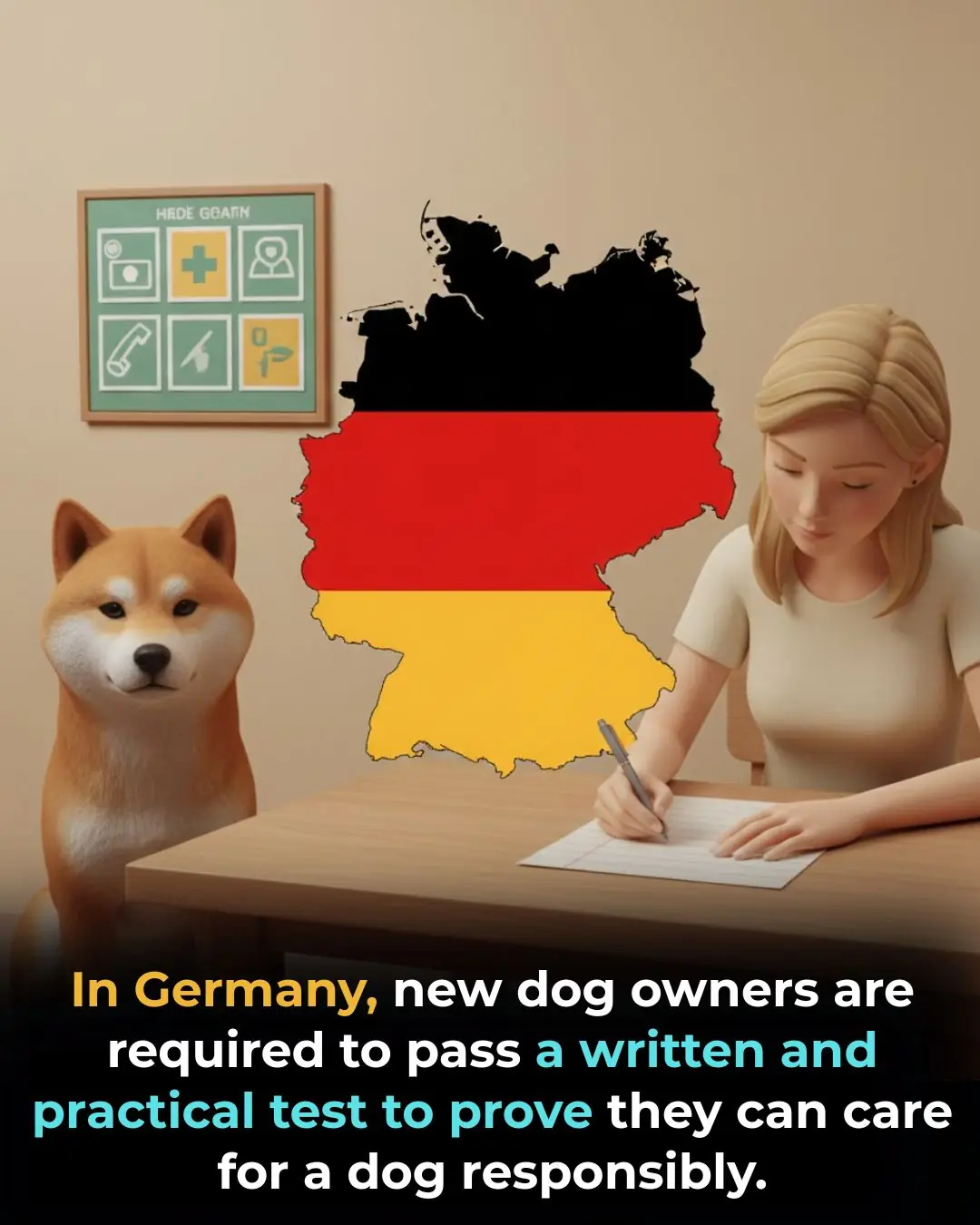
In several regions across Germany, new dog owners are required to complete both a written and a practical examination before they are legally permitted to bring a dog into their home. This system, often referred to as a “dog ownership license,” was created with the goal of promoting responsible pet care and reducing avoidable problems associated with inexperienced ownership. By ensuring that prospective owners are properly informed and prepared, Germany aims to cultivate a safer and more compassionate environment for both animals and the communities in which they live.
The written portion of the exam evaluates a wide range of essential knowledge. Participants must demonstrate an understanding of fundamental dog care, including nutrition, exercise needs, grooming, and basic health monitoring. The test also covers canine behaviour—how dogs communicate, how they respond to stress or fear, and how owners should guide their pets through training and socialisation. In addition, the written exam includes questions about local regulations, legal responsibilities, and public safety rules, ensuring that new owners are aware of their duties not only to their pets but also to their neighbours and society.
Following the written test, aspiring dog owners take a practical skills assessment. This hands-on portion focuses on real-world handling abilities and the owner’s capacity to guide a dog safely and confidently in everyday situations. Individuals must show that they can manage a dog calmly in public spaces, respond appropriately to unexpected behaviour, and maintain control without causing distress to the animal. The practical exam places particular emphasis on positive reinforcement, safe leash handling, and responsible interactions with other people and animals.
Together, these requirements serve an important purpose: they help prevent impulsive or poorly considered adoptions. Many behavioural issues—including aggression, anxiety, and destructive habits—arise when dogs are placed with owners who lack the knowledge or time to care for them properly. By introducing an educational and evaluative step before adoption, Germany encourages people to think carefully about the long-term responsibility of owning a dog. This system ultimately reduces the number of abandoned pets, eases the strain on animal shelters, and promotes healthier, more stable dog-owner relationships.
Overall, Germany’s approach reflects a broader commitment to animal welfare and community safety. By ensuring that dog owners are well-prepared and conscientiously informed from the start, the country fosters safer public spaces and improved quality of life for pets. It is a model that highlights how thoughtful policy can support both humans and animals, encouraging responsible ownership and strengthening the bond between people and their dogs.