Skin tags are small, soft, benign (non-cancerous) growths that develop on the surface of the skin. They are very common and usually harmless. Most often, they appear in areas where skin rubs against skin or clothing, creating repeated friction over time.
Although skin tags are not dangerous, understanding what they look like, why they form, and when to seek medical advice can help you manage them confidently.:max_bytes(150000):strip_icc():format(webp)/Health-GettyImages-1266730467-597a27c083594e02b73deb94e0dbee1d.jpg)
What Do Skin Tags Look Like?
Skin tags typically appear as small, soft growths that hang off the skin. They often resemble tiny moles attached by a thin stalk (called a peduncle). These growths:
-
Are round or slightly oval
-
Feel soft and flexible
-
Range from a few millimeters to about 1 centimeter in size
-
May match your natural skin tone or appear slightly darker
You might have just one skin tag, or you may develop several over time. In some cases, they can slowly increase in size.
They usually develop in areas where the skin folds or experiences friction, such as:
-
Neck
-
Armpits
-
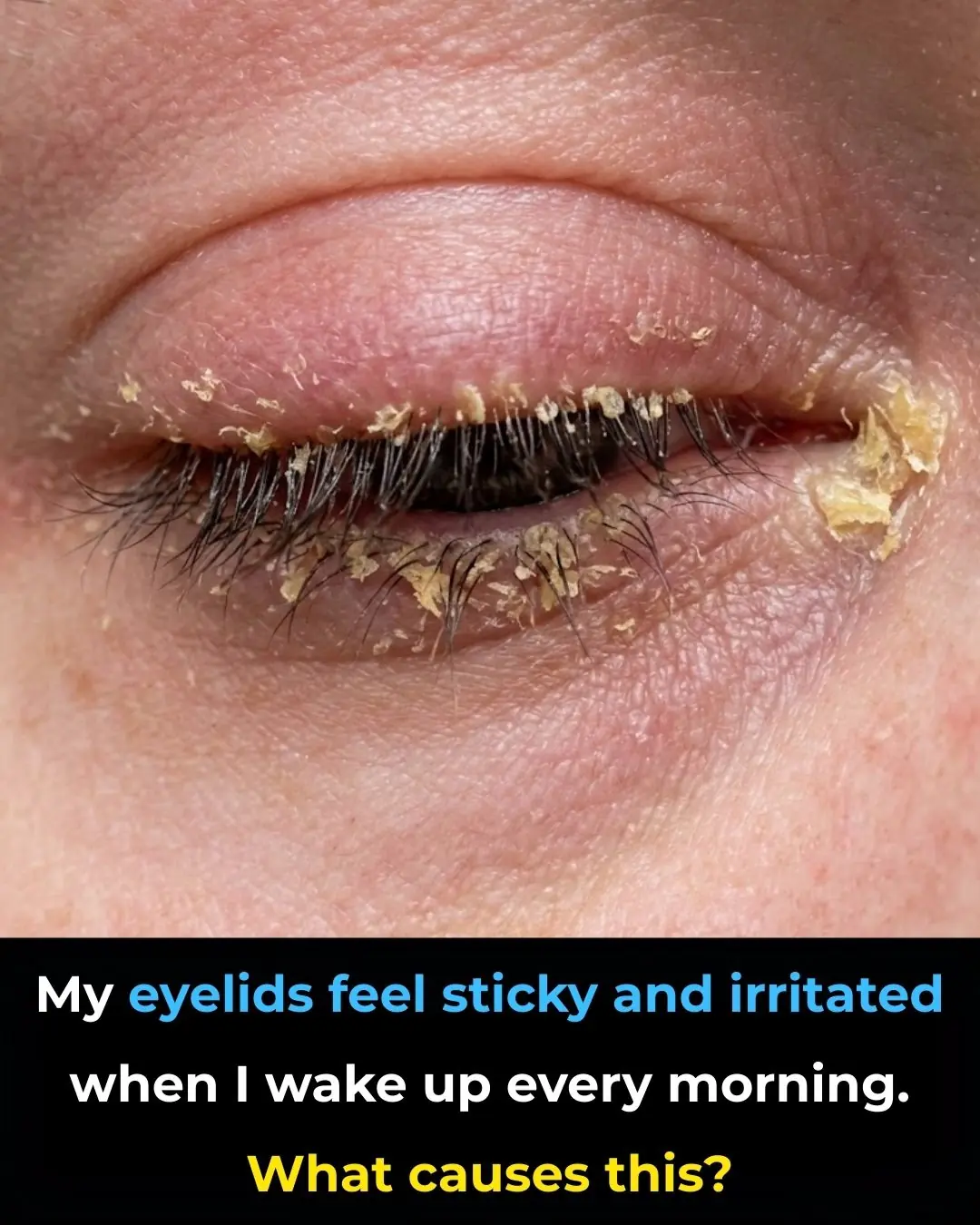
Eyelids
-
Groin or inner thighs
-
Under the breasts
Because they form in high-friction areas, skin tags may become irritated from clothing, seatbelts, or jewelry rubbing against them.
How Do Skin Tags Develop?
Skin tags are believed to form due to repeated friction or irritation in a specific area. Over time, constant rubbing may stimulate excess skin growth.
They are also linked to the natural aging process. As skin loses elasticity and structural support, it may become more prone to forming these small protrusions.
Risk Factors That Increase Your Likelihood
Several factors can increase your chances of developing skin tags:
1. Age
Skin tags are more common in middle-aged and older adults.
2. Genetics
If skin tags run in your family, you may be more likely to develop them.
3. Type 2 Diabetes
Research shows a connection between skin tags and insulin resistance, which is common in type 2 diabetes.
4. Obesity
Skin tags are more frequent in people with obesity, likely due to increased skin folds and friction.
5. Hormonal Imbalances
Changes in estrogen and progesterone levels may increase the likelihood of skin tags. Some women notice them during pregnancy.
6. Metabolic Syndrome
Metabolic syndrome is a group of conditions that raise the risk of heart disease and stroke. You may have metabolic syndrome if you have at least three of the following:
-
High blood pressure
-
High blood sugar
-
High triglycerides
-
Large waist circumference
-
Low HDL (“good”) cholesterol
Skin tags are sometimes considered a visible marker of underlying insulin resistance.
7. Rare Genetic Conditions
A rare inherited disorder called Birt-Hogg-Dubé syndrome may be associated with multiple skin lesions, including skin tags, particularly on the head, face, and upper torso.
8. Possible HPV Link
Some reports suggest a possible association between human papillomavirus (HPV) and skin tags, but more research is needed to confirm this relationship.
How Is a Skin Tag Diagnosed?
If you believe you have a skin tag, a dermatologist can usually diagnose it simply by examining it. In most cases, no additional tests are required.
However, if a growth changes rapidly, becomes very dark or irregular, bleeds frequently, or looks unusual, further evaluation may be necessary to rule out other skin conditions.
Safe Removal Options
Skin tags are harmless and do not require treatment unless they:
-
Become irritated
-
Bleed repeatedly
-
Cause pain or discomfort
-
Interfere with vision (if near the eyelids)
-
Create cosmetic concerns
If removal is desired, a dermatologist can safely perform procedures such as:
-
Excision (snipping the tag off with sterile tools)
-
Cryotherapy (freezing the tag with liquid nitrogen)
-
Cauterization (burning the tag with controlled heat)
It is not recommended to remove skin tags at home, especially larger ones or those located near sensitive areas like the eyes, as this may cause infection, bleeding, or scarring.
Final Takeaway
Skin tags are common, benign growths that often appear in areas of friction. While they are not dangerous, their presence may sometimes be associated with underlying conditions like insulin resistance or metabolic syndrome.
If you notice new or changing skin growths, or if a skin tag becomes bothersome, consult a healthcare professional for proper evaluation and safe treatment.