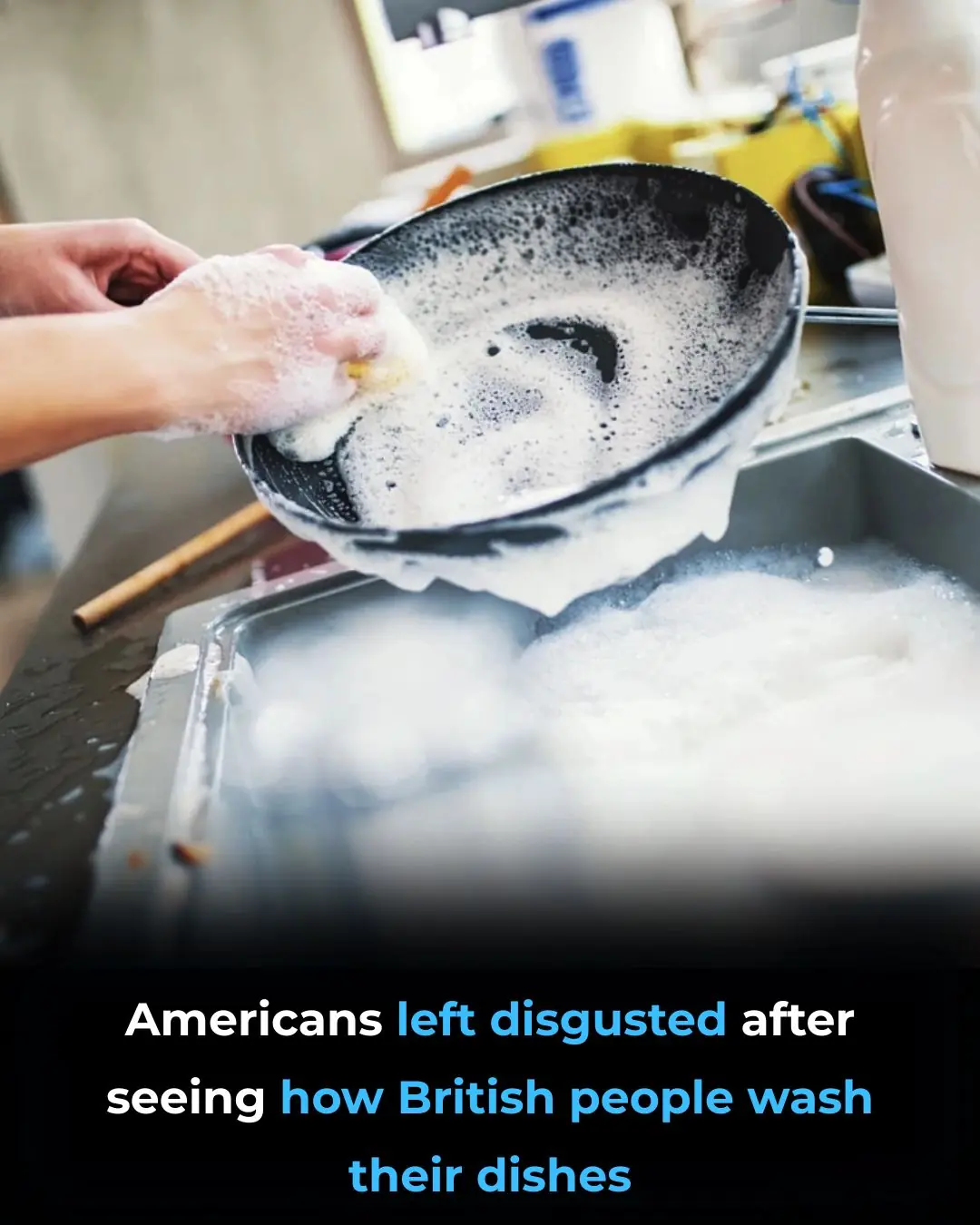
Soap Left on Plates? British Dishwashing Method Sparks International Debate
Facts 07/01/2026 20:35
For many people, avoiding chores on New Year’s Day may sound like nothing more than a convenient excuse—perhaps invented by a tired teenager or someone nursing a holiday hangover. However, across cultures and generations, the belief that cleaning on January 1 brings bad luck is deeply rooted in long-standing traditions and folklore. Whether your home is still covered in remnants of the festive season or you would rather spend the day relaxing and watching a long-awaited television finale, superstition may actually be on your side.
According to traditional beliefs, starting the new year with household cleaning can symbolically remove good fortune before it has a chance to settle. While the idea of welcoming the year with a spotless home may seem appealing, many cultures advise postponing chores until January 2 to avoid inviting misfortune.
One of the most widely cited superstitions involves doing laundry on the first day of the year. In several communities, particularly in parts of Europe, East Asia, and the United States, washing clothes on New Year’s Day is believed to represent “washing away” a loved one. This is not meant literally, but symbolically suggests the potential loss of a family member or close friend before the next year arrives.
This belief has been passed down through generations and is still taken seriously by many families. Online discussions demonstrate how enduring this superstition remains. In one Reddit thread on r/AskUK, users discussed whether they avoid cleaning on New Year’s Day. One respondent wrote: “My gran always said, ‘Do a wash on New Year’s Day, you’ll wash one of the family away.’” Such anecdotes highlight how folklore continues to influence modern behavior.
Cultural historians note that laundry-related superstitions often stem from symbolic associations with water, which in many traditions represents both cleansing and loss. According to Encyclopaedia Britannica, ritual practices involving water have long been linked to transitions, life cycles, and spiritual change, which may explain the caution surrounding its use on significant calendar dates.
Laundry is not the only task discouraged on January 1. Washing dishes is also commonly believed to wash away good luck for the year ahead, while sweeping or vacuuming is thought to symbolically sweep fortune and prosperity out of the home.
In Chinese New Year traditions, for example, cleaning is done thoroughly before the holiday begins, but brooms are put away once the new year arrives to avoid sweeping away newly arrived luck. Although January 1 is not the Lunar New Year, similar symbolic reasoning applies. According to History.com, many New Year’s customs revolve around preserving luck, wealth, and happiness at the beginning of the year.
While these beliefs may sound humorous or exaggerated, they reflect a broader human tendency to mark important transitions with symbolic rules and rituals. Even skeptics may find it harmless—and perhaps beneficial—to delay chores for just one more day.
Another common superstition warns against taking out the trash on New Year’s Day. While garbage may appear to be nothing more than leftovers, candy wrappers, and empty cartons, folklore suggests it can also symbolize stored wealth and abundance accumulated over the previous year.
Removing trash on January 1 is believed to risk discarding prosperity along with it. This belief aligns with broader cultural associations between material accumulation and symbolic fortune. Anthropologists note that early agrarian societies often linked abundance, storage, and survival, which may explain why “throwing things away” at the start of the year was viewed negatively.
Perhaps the most compelling superstition is the belief that whatever you do on New Year’s Day will define the next twelve months. Known in some cultures as the principle of “starting as you mean to go on,” this idea suggests that doing chores on January 1 could sentence you to a year of constant labor and responsibility.
Conversely, spending the day resting, celebrating, or enjoying time with loved ones is believed to set a positive and joyful tone for the months ahead. Sociologists argue that even if such beliefs are not literally true, they can have psychological benefits. According to research published by the American Psychological Association, rituals and traditions can create a sense of control, optimism, and emotional comfort during times of transition.
Whether these traditions originated from cultural symbolism, spiritual beliefs, or simply a collective desire for a day of rest, they remain surprisingly influential. Even in modern society, many people choose to honor these customs—not necessarily out of fear, but as a way to slow down and begin the year with intention.
After all, if postponing the laundry, dishes, and trash for just 24 hours might bring a little extra luck—or at least peace of mind—then perhaps it is a superstition worth embracing.
Encyclopaedia Britannica – Ritual and Symbolism
History.com – New Year’s Traditions and Superstitions Around the World
American Psychological Association (APA) – The Psychology of Rituals and Traditions
Reddit – r/AskUK community discussions on New Year’s customs