Head Injuries May Show Delayed Symptoms, Experts Warn
Health 14/04/2026 11:06
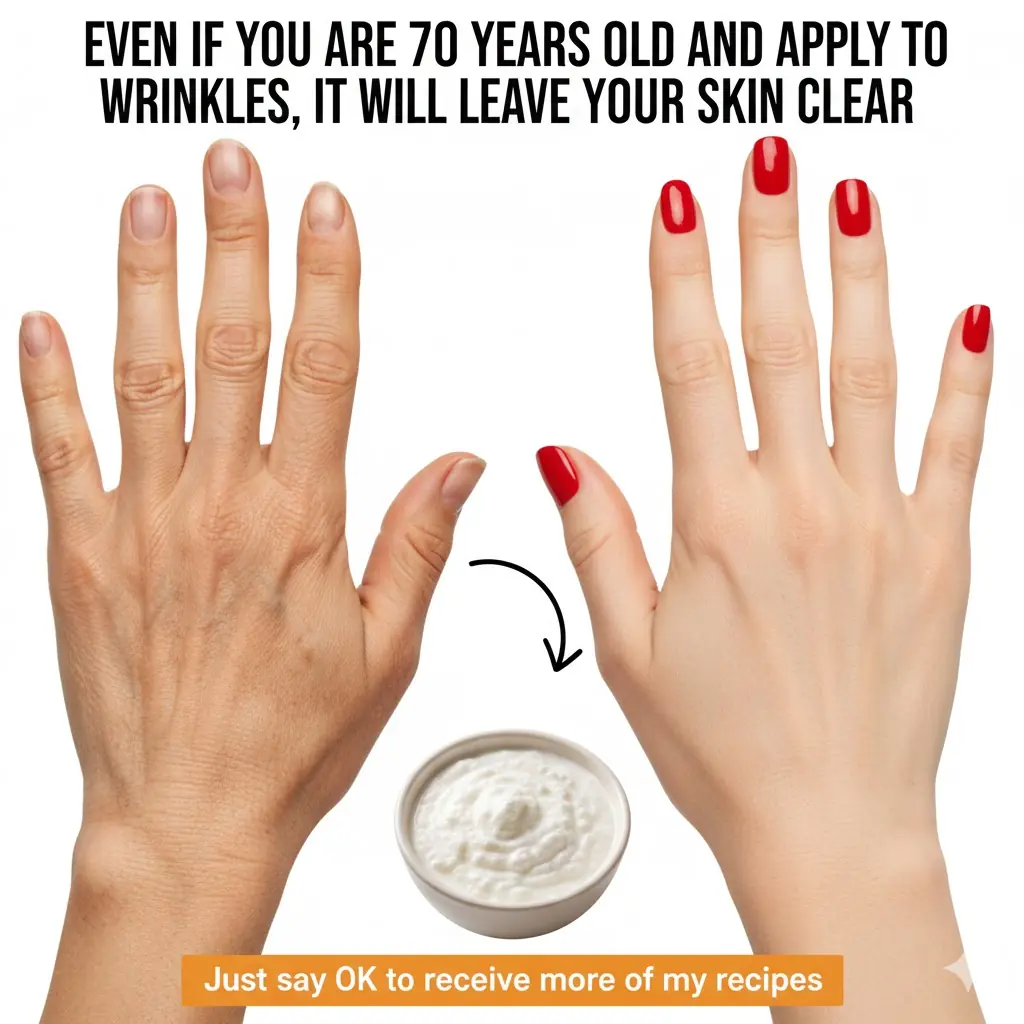
Natural skincare options are attracting more and more people—and it’s easy to see why. They’re usually affordable, easy to find, and free from complicated chemical formulas. Simple kitchen staples like baking soda, coconut oil, and honey are often mentioned in DIY beauty routines because each one offers a specific benefit:
Baking soda works as a gentle physical exfoliant, helping remove dead skin cells from the surface.
Coconut oil provides deep moisture and helps fight dryness.
Honey contributes soothing and hydrating effects thanks to its natural humectants and enzymes.
Dermatological reviews and basic research suggest that these ingredients can support the skin in limited, cosmetic ways:
Gentle exfoliation can temporarily improve skin texture.
Oils help maintain the skin’s protective barrier.
Natural humectants attract water, promoting a plumper, healthier-looking appearance.
However, experts also emphasize moderation. Overusing alkaline substances like baking soda can disrupt the skin’s natural pH (ideally around 4.5 to 5.5), which may lead to dryness or irritation.
So, what’s the real story? Let’s take a closer look at the potential benefits—and how to use this combination safely.
When used carefully, these three ingredients can form a mask that mainly works on the skin’s surface. Here’s what many users report and what limited studies suggest:
The fine texture of baking soda may help remove dull, dead skin cells, revealing a brighter and smoother appearance.
The fatty acids in coconut oil help lock in moisture, which can be especially helpful for mature or dry skin types.
Honey may calm minor redness and support a more balanced feel. It also has mild antibacterial properties and is generally well tolerated.
Occasional use can leave the skin feeling cleaner, softer, and more refreshed.
Studies on individual components—such as honey in wound care or coconut oil’s role in supporting the skin barrier—show promising results for general skin health. However, research on this exact homemade mixture is still limited. Many dermatologists note that diluted, occasional use may offer mild cosmetic benefits, but it should not replace proven skincare routines.
Baking soda: Alkaline (pH ~9), exfoliating, can be drying if overused.
Coconut oil: Emollient, moisturizing, good for dry skin, but may clog pores on oily or acne-prone skin.
Honey: Humectant, antibacterial, generally gentle and well tolerated.
The idea behind this combination is simple: balance exfoliation with nourishment—first gently remove, then hydrate and soothe.
If you want to try it, follow these simple steps for occasional use only (no more than 2–3 times per week).
1–2 teaspoons of baking soda (start with less to test tolerance)
1 tablespoon of extra virgin coconut oil (melted if solid)
1 tablespoon of raw honey or Manuka honey
Optional: 1–2 drops of lavender essential oil for a relaxing scent (avoid if you have sensitive skin)
In a small, clean bowl, add the baking soda.
Add the coconut oil and mix until you get a smooth paste.
Stir in the honey until well combined.
If using, add the essential oil last and mix again.
Wash your face with a gentle cleanser before applying.
Apply a thin layer to drier areas or areas with fine lines—avoid the eyes and broken skin.
Leave it on for 10–15 minutes (less time if it’s your first try).
Rinse with lukewarm water, using gentle circular motions to enhance light exfoliation.
Pat dry and apply your regular moisturizer.
During the day, follow with a broad-spectrum sunscreen.
The texture is usually creamy and easy to spread. When not overused, many people report a nourishing feel without excessive dryness.
Because baking soda has a high pH, this mixture is not suitable for daily use or for all skin types. Dermatologists warn that frequent use may:
Damage the skin’s natural acid barrier, leading to dryness or sensitivity.
Cause micro-irritations, especially on thinner, mature skin.
Worsen conditions like eczema, rosacea, or active acne.
Do a patch test: Apply a small amount on your forearm and wait 24 hours.
Stop using it if you feel burning, redness, or discomfort.
Never apply to broken, inflamed, or very sensitive skin.
Use only occasionally—over-exfoliation can age the skin over time.
Consult a dermatologist if you have any skin condition or doubts.
If irritation occurs, gentler options include masks made only with honey or using mild, commercial exfoliants designed for your skin type.
Anecdotally, some people between 50 and 70 years old report that occasional use leaves their skin feeling softer and more even-toned after a few weeks. Others prefer to skip the baking soda and use only coconut oil and honey. Results vary depending on skin type—dry skin tends to tolerate this better than oily or combination skin.
The key is balance: consistency without overdoing it. Think of this as a complementary treatment, not a daily essential.
Adding simple, kitchen-based masks to your routine can be a pleasant way to support your skin and encourage a fresher look. While this baking soda mixture may offer light exfoliation and hydration for some people, it works best as part of a complete routine: gentle cleansing, proper moisturizing, sun protection, and healthy habits.
Natural approaches work best when used with attention and respect for your skin’s signals.
Can I use this mask every day?
No. Experts recommend limiting use to 2–3 times per week to avoid irritation and over-exfoliation.
Is it suitable for sensitive skin?
Maybe not. Always do a patch test, and consider avoiding baking soda if your skin is very reactive.
What if my skin feels dry afterward?
Apply a richer moisturizer or reduce the frequency. The goal is balance, not stripping away natural oils.
Disclaimer:
This article is for informational purposes only and does not replace medical advice. Results may vary from person to person. Consult a dermatologist before starting any new skincare routine, especially if you have a skin condition. Baking soda is not intended to diagnose, treat, cure, or prevent any disease.