Pine Cone Syrup: A Beginner-Friendly Guide (Benefits, How to Make It, and Everyday Uses)
Health 18/12/2025 13:36
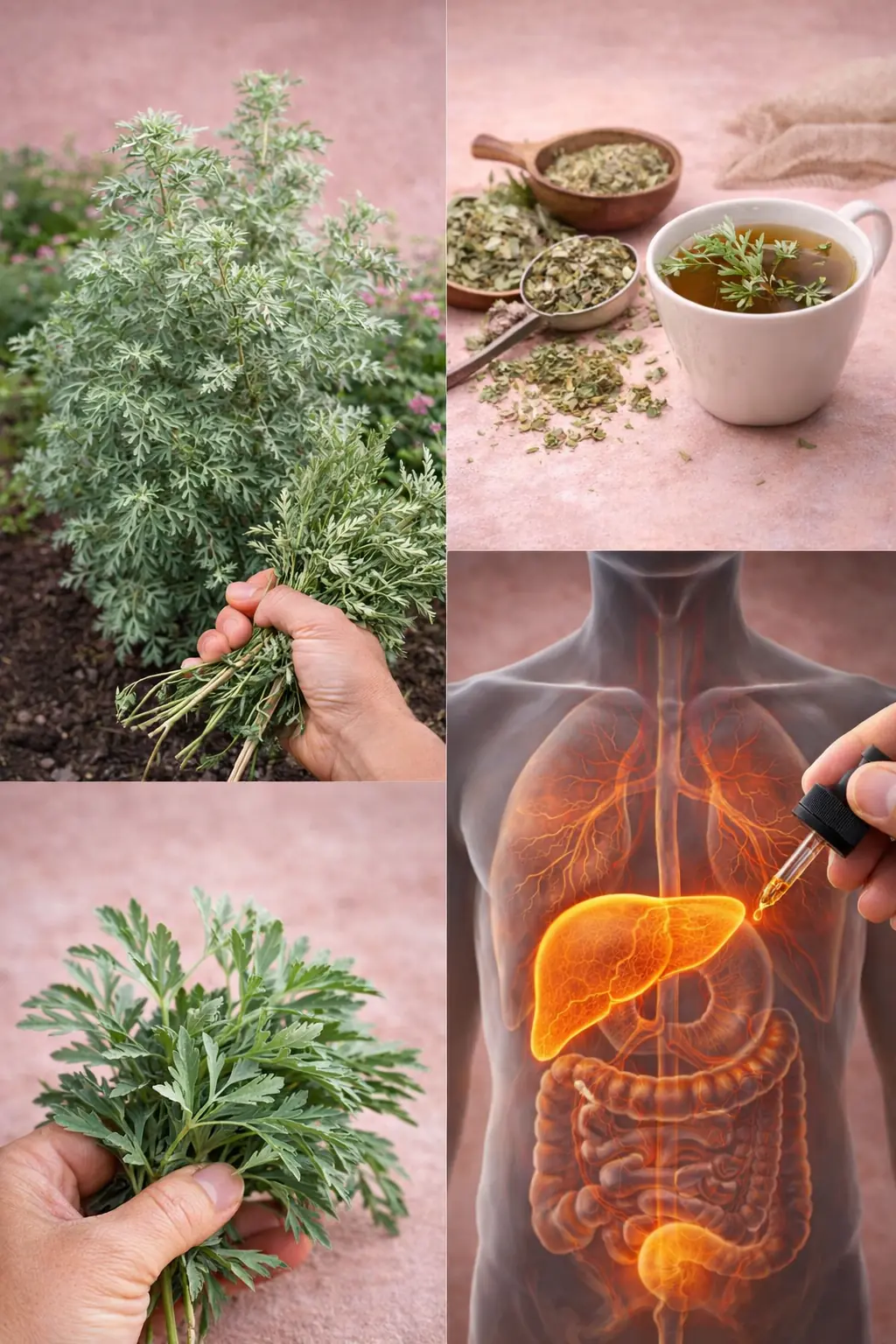
Wormwood (Artemisia absinthium) is one of the oldest medicinal herbs documented in European and Middle Eastern traditions. Known for its intense bitterness, aromatic leaves, and potent essential compounds, wormwood was historically valued for digestive support and parasite-related concerns.
While many modern claims about wormwood are exaggerated or misleading, this herb still holds a legitimate place in herbal practice when used correctly, briefly, and with caution. Below is a clear, realistic overview of what wormwood can offer, how it has traditionally been used, and the essential safety rules that must be respected.
Wormwood is classified as a bitter herb, meaning it stimulates digestive secretions. Traditional and modern herbal practices use it to support:
Slow or sluggish digestion
Bloating and gas
Reduced appetite
Mild indigestion
Bitter herbs activate taste receptors that signal the stomach, liver, and pancreas to prepare for digestion, which explains wormwood’s long-standing use before meals.
The name “wormwood” comes from its historical role in addressing intestinal parasites.
Laboratory and animal studies show that wormwood compounds can interfere with certain parasites, particularly when combined with other antiparasitic herbs. While it does not replace medical treatment for confirmed infections, it remains one of the most historically respected plants in this category.
Research indicates that wormwood extracts have anti-inflammatory effects in controlled studies. Small human trials—especially involving inflammatory digestive conditions—have reported reduced discomfort and improved quality of life.
These findings are promising but limited, and wormwood should be considered supportive rather than curative.
Wormwood contains plant compounds that show antimicrobial and antioxidant activity in laboratory settings, including action against certain bacteria and fungi.
While these results do not guarantee the same effects internally in humans, they help explain why wormwood was traditionally included in cleansing tonics and protective preparations.
Used for: digestive stimulation
How to prepare
Use ½ teaspoon dried wormwood leaves per cup of hot water
Steep for no more than 5 minutes
Drink before meals
The taste is extremely bitter. This is intentional and central to its traditional digestive effect.
Tinctures allow precise dosing and reduce the risk of overuse.
Typical traditional use
10–20 drops before meals, depending on strength
Modern commercial tinctures are usually standardized to limit thujone content, making them safer than homemade extracts.
Many herbalists use wormwood in very small amounts as part of digestive bitters, often combined with gentian, fennel, or citrus peel.
Used traditionally for:
Post-meal heaviness
Bloating
Slow digestion
Dried wormwood has long been used externally to repel insects.
Traditional placement includes:
Clothing drawers
Pantries
Storage areas
This is one of the safest and most accessible uses of the plant.
Wormwood contains thujone, a compound that can be toxic in high doses or with prolonged use.
You are pregnant or breastfeeding
You have epilepsy or seizure disorders
You take medications affecting the nervous system
You have ulcers or severe digestive inflammation
❗ Do not use long-term
❗ Follow a cycle: up to 2 weeks, then at least 2 weeks off
❗ Never ingest wormwood essential oil — it is unsafe
Excessive or improper use may lead to:
Nervous system irritation
Liver stress
Nausea or dizziness
Wormwood is not a casual herb. Its value lies in precision, restraint, and short-term use. When handled responsibly, it remains a useful tool for digestive support and traditional cleansing practices. When misused, it can cause real harm.
Understanding both its benefits and limits is essential to using wormwood safely in a modern context.
This article is for informational and educational purposes only. Wormwood is a potent herb and may pose risks if misused. It should not replace medical advice, diagnosis, or treatment. Always consult a qualified healthcare professional before using wormwood, especially if you have medical conditions or take medications.