Lactose Intolerance: Why It Develops Later in Life and How to Manage It
Health 15/12/2025 19:18
12 Vitamin Mistakes That Damage Your Health: What Science Really Says
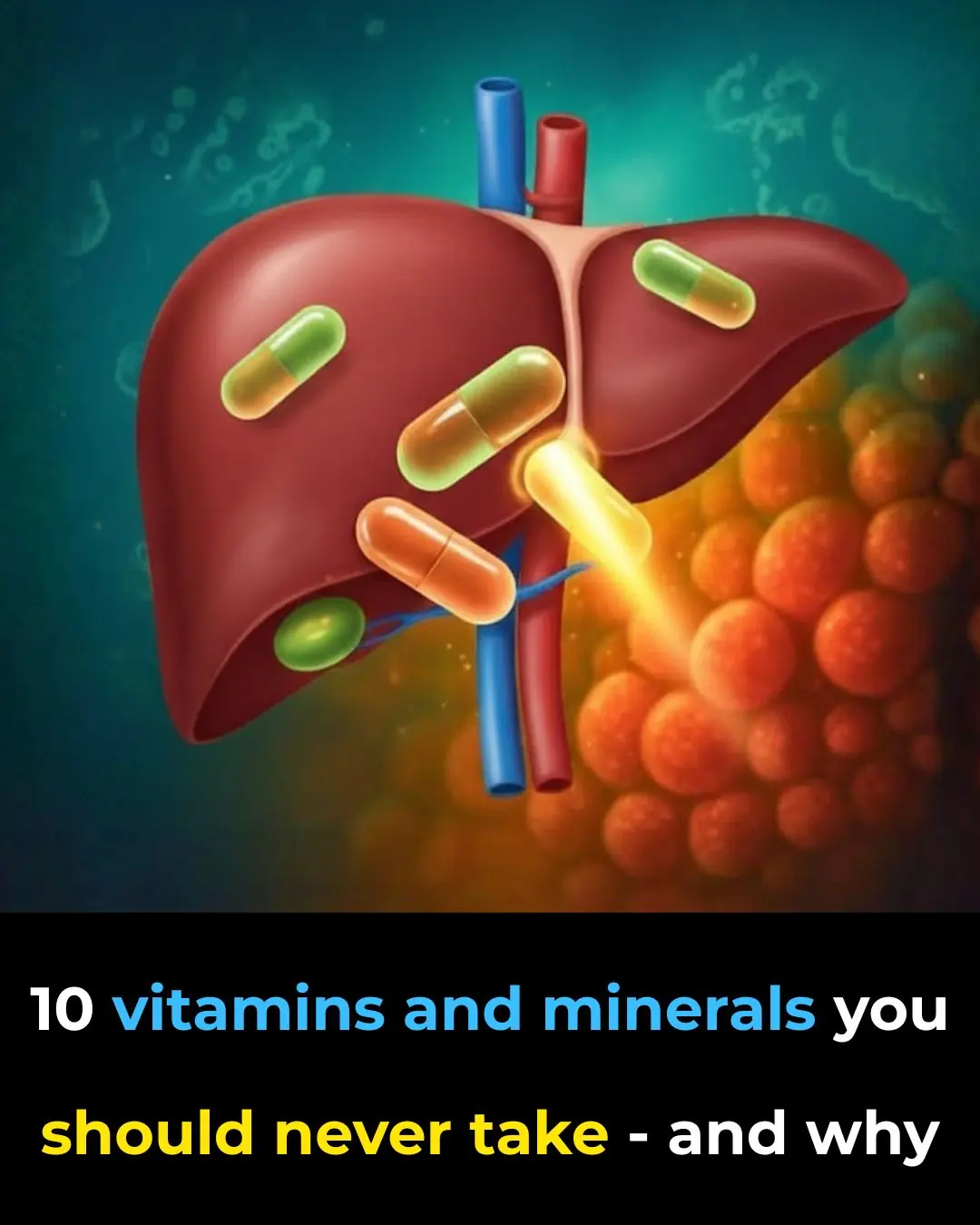
Vitamins and supplements are widely used to support health, boost immunity, and prevent nutrient deficiencies. However, more is not always better. The infographic highlights 12 common vitamin mistakes that can quietly harm your health when taken incorrectly. Understanding these errors—through the lens of scientific evidence—can help you use supplements safely and effectively.
Some vitamins, especially fat-soluble vitamins (A, D, E, and K), require dietary fat for proper absorption. Taking them on an empty stomach can significantly reduce their effectiveness. Research shows that absorption of vitamin D improves when consumed with a meal containing fat (National Institutes of Health – NIH).
Certain vitamins and minerals compete for absorption. For example, calcium can inhibit iron absorption, while excessive zinc can reduce copper levels. Long-term imbalance may lead to deficiencies despite regular supplementation (NIH Office of Dietary Supplements).
Unlike water-soluble vitamins, fat-soluble vitamins accumulate in body tissues. Excess intake of vitamin A or D can cause toxicity, leading to liver damage, bone loss, or kidney issues (Mayo Clinic).
Many people assume supplements are harmless, but science defines Tolerable Upper Intake Levels (ULs) for a reason. Chronic intake above these limits increases the risk of adverse effects, including nerve damage from excess vitamin B6 (NIH).
Vitamins cannot fully replicate the benefits of whole foods, which contain fiber, antioxidants, and bioactive compounds. Studies consistently show that nutrients from foods are better utilized than isolated supplements (Harvard T.H. Chan School of Public Health).
Vitamin C and B-complex vitamins may increase alertness and energy metabolism. Taking them before bedtime can disrupt sleep patterns in sensitive individuals (Sleep Medicine Reviews).
Supplements can interfere with prescription drugs. For example, vitamin K reduces the effectiveness of blood thinners, while calcium can reduce antibiotic absorption. This interaction is well documented in clinical pharmacology (U.S. Food and Drug Administration – FDA).
Herbal and vitamin supplements are often perceived as risk-free, yet many can cause side effects or toxicity at high doses. Regulation is less strict than for medications, increasing the risk of misuse (FDA).
Age, gender, pregnancy status, and medical conditions all influence nutrient requirements. For instance, excess iron can be harmful for people without deficiency, especially men and postmenopausal women (World Health Organization – WHO).
Supplementing blindly may mask underlying health problems or worsen imbalances. Blood tests are the most reliable way to determine true deficiencies, according to clinical guidelines (NIH).
Heat, light, and humidity can degrade vitamins, reducing potency or altering chemical structure. Improper storage is a common yet overlooked mistake (Journal of Pharmaceutical Sciences).
Nutritional needs change over time. Continuing the same supplement routine for years without reassessment may lead to excess intake or unnecessary use (Mayo Clinic).
Vitamins can be powerful tools for health when used wisely—but careless supplementation can do more harm than good. Science consistently emphasizes appropriate dosing, correct combinations, and individualized use. Rather than relying on trends or assumptions, consult healthcare professionals, prioritize whole foods, and use supplements as supportive—not primary—health solutions.