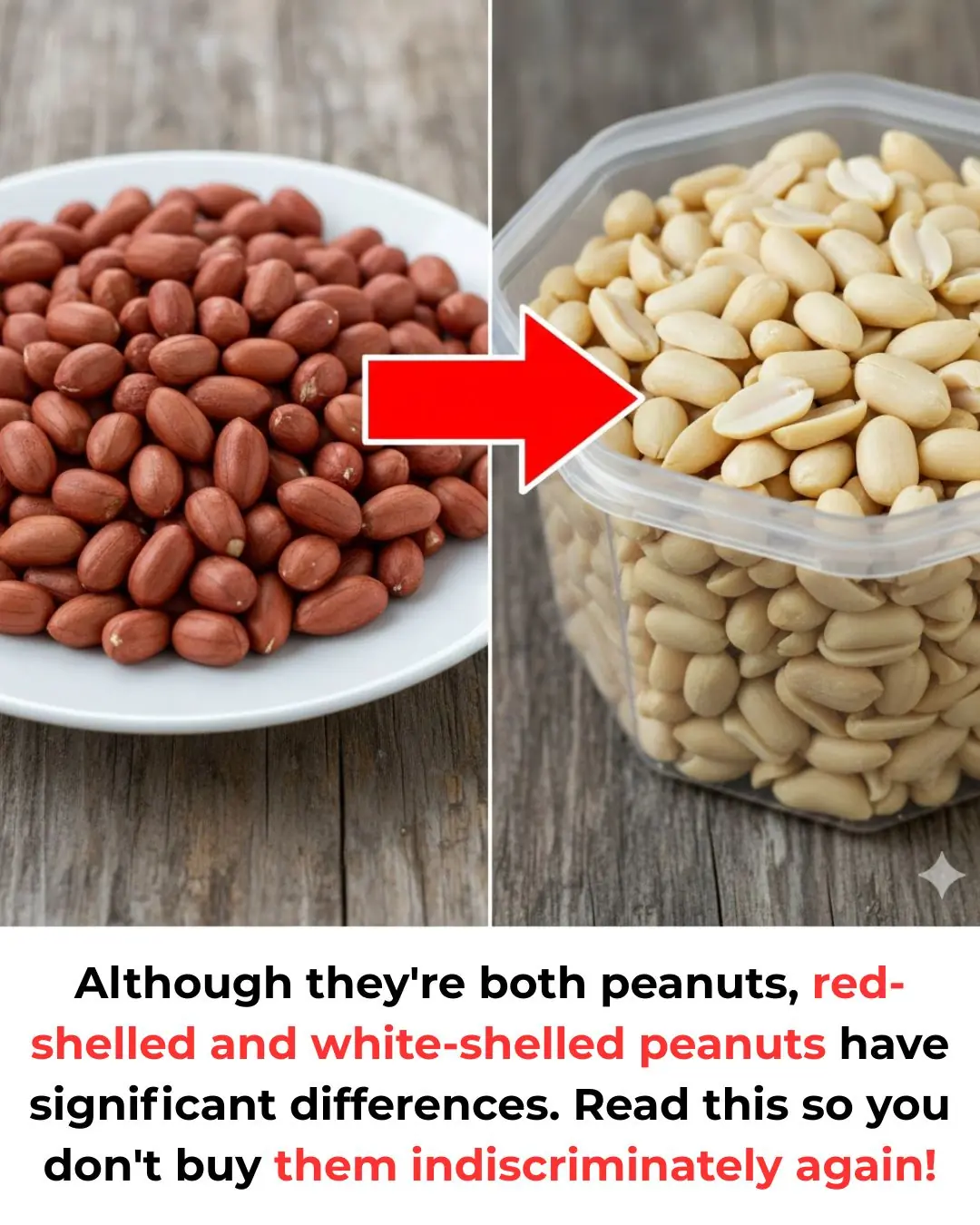
Although they're both peanuts, red-shelled and white-shelled peanuts have significant differences. Read this so you don't buy them indiscriminately again!
Tips 15/12/2025 21:23

To select fresh and delicious pork for your family’s daily meals, it is important to understand a few simple but effective tips outlined below.
Pork is one of the most common ingredients on Vietnamese family dining tables. From this versatile ingredient, you can prepare a wide variety of appealing dishes such as boiled pork, braised pork, roasted pork, or fried pork. Many families also choose to buy pork in large quantities and store it in the freezer for later use, helping to save time and reduce the need for frequent trips to the market.
Naturally, when buying pork, everyone wants to choose pieces that are fresh, safe, and of good quality to ensure healthy and tasty family meals. But do you really know how to identify good pork? Let’s explore some essential tips below.
When buying pork, the first thing you should pay attention to is its color. Freshly slaughtered pork typically has a bright red or light pinkish-red color.
Pork that appears slightly darker may still be acceptable, as it could be meat that has not been fully drained of blood and still contains some blood clots inside. However, if the pork has turned very dark, deep brown, or almost black, this is often a sign that the pig died before slaughter. You should absolutely avoid purchasing pork with such unusually dark coloration.
Color is one of the most important indicators of pork freshness and quality.
On the other hand, pork with a lighter color can occur for two main reasons. The first is that the pork was frozen and properly preserved, then thawed before being sold. In this case, the meat often appears pale pink or light red. Pork that has been correctly stored at low temperatures generally retains its flavor and nutritional value, so it is still safe to buy and use for family meals.
Another possible reason for pale-colored pork is that the seller has injected water into the meat to increase its weight. Pork with excess water not only loses nutritional value but also becomes more vulnerable to bacterial contamination. If you notice pork that looks unusually pale, overly wet, or has water dripping from it, it is best to avoid buying it.
It is also important to note that different parts of the pig naturally have slightly different colors, so the meat may not appear completely uniform in color. This is normal and should be taken into consideration.
In addition to observing color, you should also pay attention to the following factors to choose high-quality pork.
A healthy pig will have skin that appears white and clean, with bright red blood visible under the hair follicles. The fat layer should also be white and firm.
In contrast, pork from sick or dead pigs often shows abnormal signs such as small red spots on the skin, dark purple hair roots, or yellowish and reddish fat. These are warning signs that the meat may be unsafe for consumption. If you notice any of these characteristics, it is best to stay away.
The elasticity of pork is another key indicator of freshness. When shopping, gently press your finger into the meat and then release it. If the meat quickly returns to its original shape, it is fresh. If the indentation remains and does not bounce back, this indicates that the meat is no longer fresh and should not be purchased.
Finally, always check the smell of the meat. Fresh pork has a mild, natural scent typical of raw meat. If the pork gives off a strong, unpleasant, sour, or strange odor, it may be spoiled or come from a diseased animal. In such cases, you should avoid buying it to protect your family’s health.
By paying attention to these simple signs, you can confidently choose fresh, safe, and high-quality pork for your daily meals, ensuring both delicious dishes and peace of mind for your family.