Liver Damage Linked to Supplement Use Is Surging, Sparking Scientific Alarm
Health 15/12/2025 21:37
Ignoring angina can allow heart disease to progress silently — sometimes ending in a heart attack.
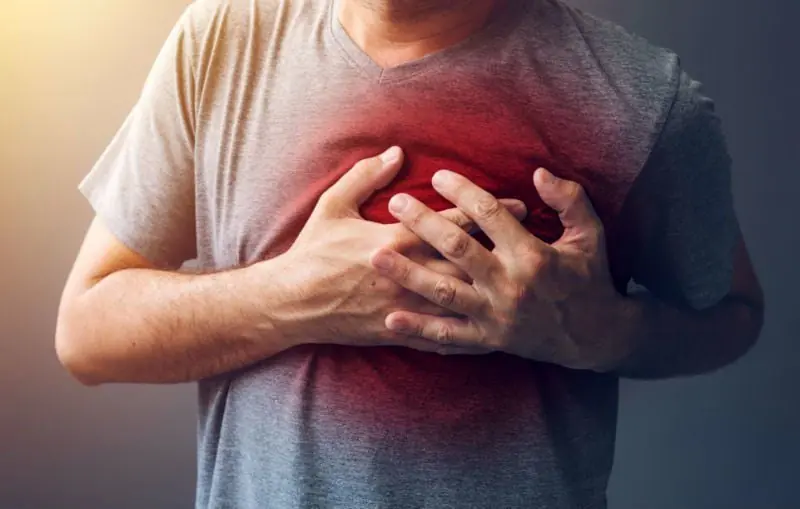
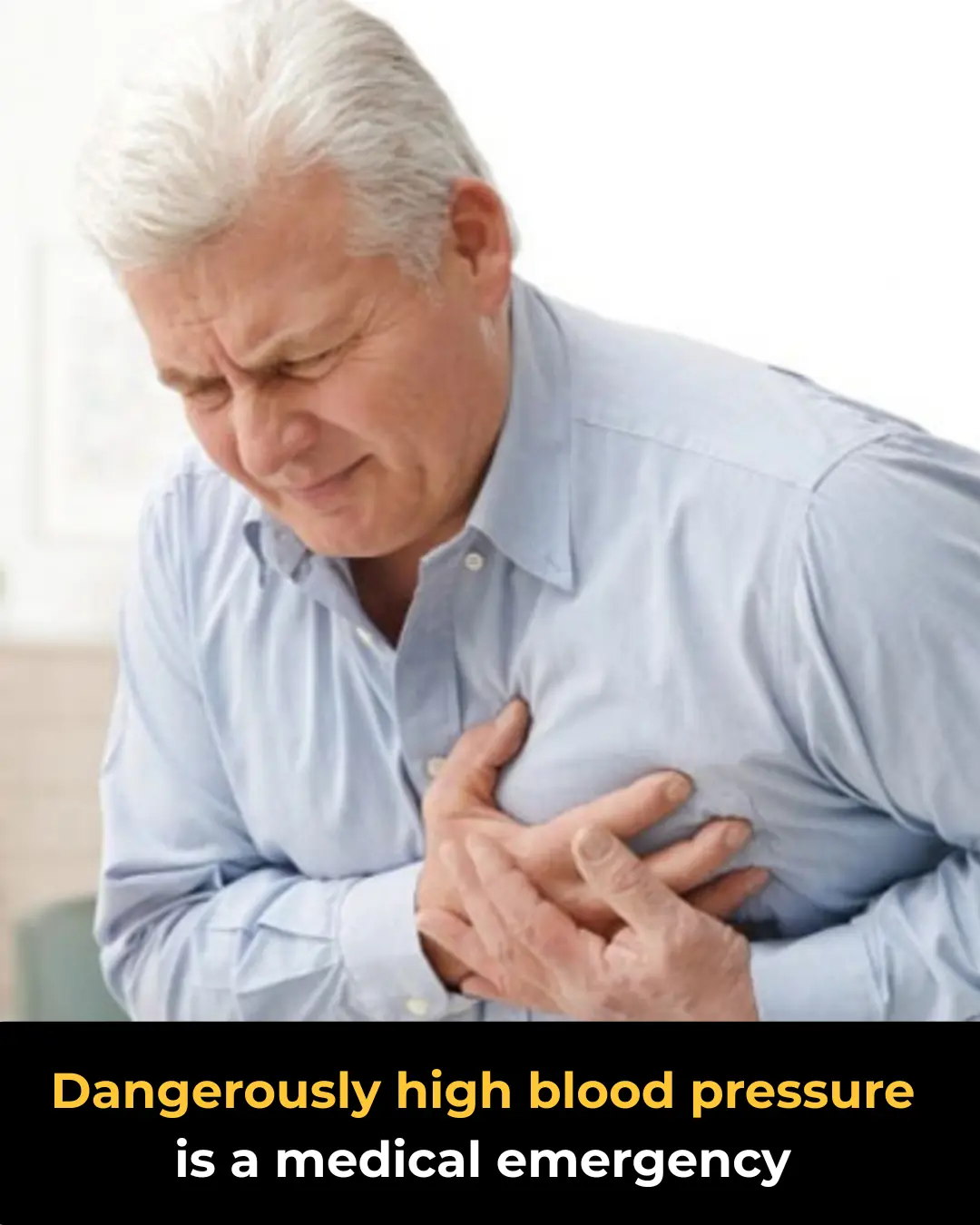
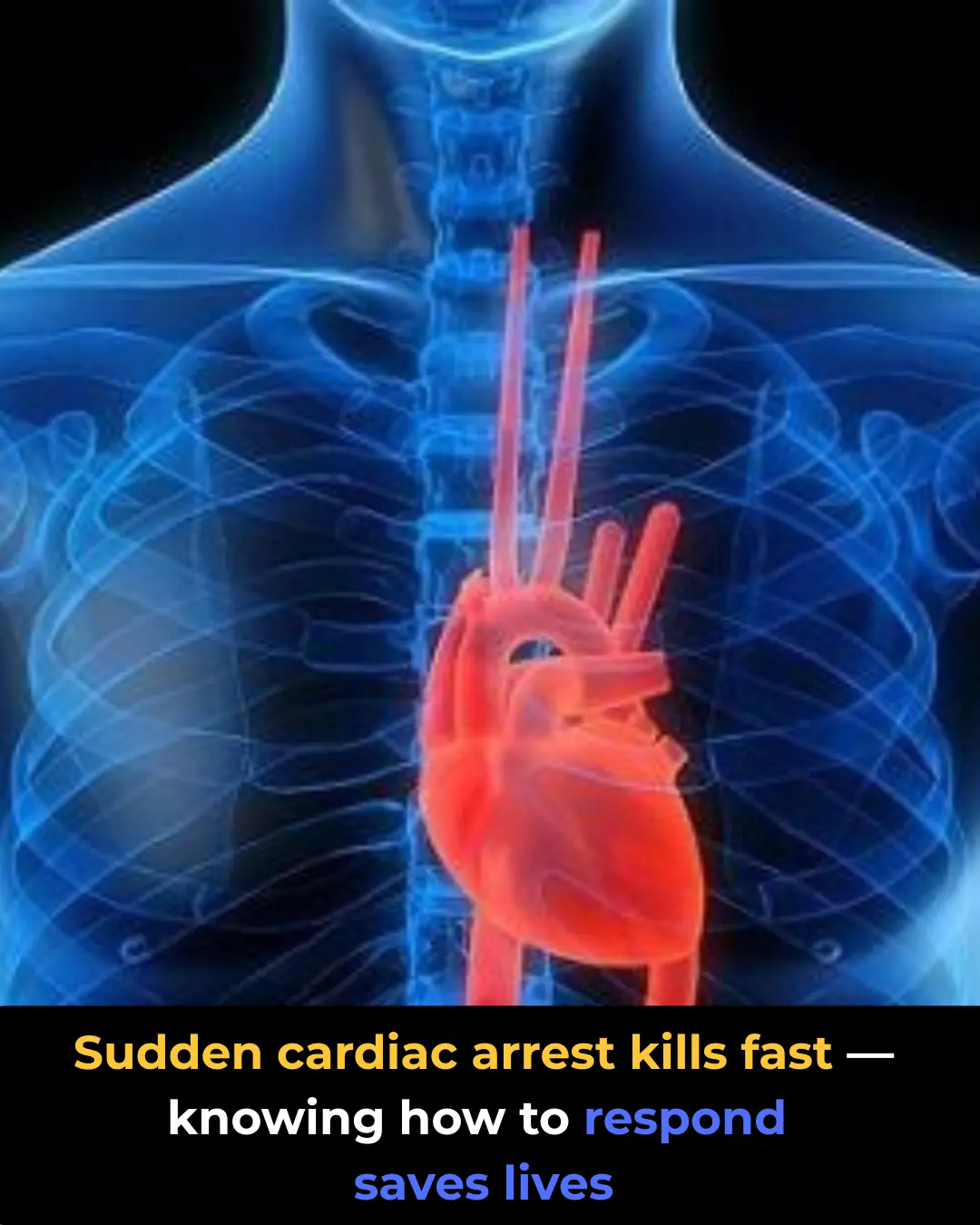
Angina is chest discomfort caused by reduced blood flow to the heart muscle. It is usually a symptom of underlying coronary artery disease, where the arteries supplying the heart become narrowed or blocked.
Angina symptoms vary but commonly include:
Pressure, squeezing, or tightness in the chest
Burning sensation behind the breastbone
Pain radiating to the arm, jaw, neck, back, or shoulders
Shortness of breath
Nausea or lightheadedness
Women and older adults may experience atypical symptoms such as fatigue or jaw pain rather than chest pain.
Stable Angina
Occurs during physical exertion or stress and improves with rest.
Unstable Angina
Occurs at rest, lasts longer, and is unpredictable. This is a medical emergency.
Variant (Prinzmetal’s) Angina
Caused by coronary artery spasms, often occurring at night or early morning.
Atherosclerosis
Blood clots
Coronary artery spasms
Anemia
Uncontrolled high blood pressure
Diabetes
Seek immediate medical care if:
Chest pain occurs at rest
Pain lasts longer than usual
Symptoms worsen or become more frequent
Pain is accompanied by sweating, nausea, or fainting
Unstable angina can quickly lead to a heart attack.
Doctors may use ECGs, stress tests, imaging scans, or angiography.
Treatment includes lifestyle changes, medications, and sometimes procedures such as stents or bypass surgery.
Angina is not something to “push through.” It is the heart’s early warning system. Recognizing it early can prevent irreversible heart damage and save lives.