News 10/12/2025 14:06
12 Mineral-Rich Fruits That Boost Your Body’s Balance and Vitality
12 Fruits That Act Like Minerals: How Nutrient-Dense Fruits Support Your Body’s Balance
Modern nutrition research consistently shows that certain fruits contain unusually high concentrations of minerals—or compounds that behave similarly to minerals in the body. These fruits help regulate fluid balance, support nerve and muscle function, strengthen immunity, and improve metabolic health. The infographic highlights 12 such fruits, each offering its own unique profile of electrolytes, antioxidants, and bioactive compounds. This article expands on those insights, pairing them with evidence-based information from reputable scientific bodies such as the USDA, the National Institutes of Health (NIH), and the World Health Organization (WHO).
1. Bananas: Nature’s Potassium Powerhouse
Bananas are widely recognized for their potassium content, an essential mineral for nerve signaling, heart rhythm, and electrolyte balance. According to the NIH Office of Dietary Supplements, potassium-rich foods help counteract sodium’s effects and support healthy blood pressure. The natural sugars in bananas also provide steady energy, making them ideal for athletes and busy individuals.
2. Oranges: Vitamin C With Electrolyte Support
Oranges and other citrus fruits deliver vitamin C, but they also contain potassium, calcium, and magnesium. Data from the USDA FoodData Central confirms that oranges contribute meaningfully to daily mineral intake while supporting hydration. Their natural electrolytes make them a refreshing choice for rehydration and immune function.
3. Dates: Sweet Fruit With Mineral Density
Dates are exceptionally rich in magnesium, potassium, and copper. Research summarized by the Food and Agriculture Organization (FAO) highlights that dates provide concentrated nutrients due to their low water content. Their natural sugars offer quick energy, while their minerals support muscle function and bone health.
4. Apricots: Antioxidants and Electrolytes in One
Dried or fresh apricots supply potassium and iron alongside carotenoids, which support eye and skin health. The USDA lists apricots as one of the top fruit sources of potassium per serving.
5. Figs: Bone-Strengthening Fruit
Figs—fresh or dried—contain calcium, magnesium, and potassium. These minerals work together to maintain bone density and regulate muscle contractions. The NIH notes that diets high in naturally occurring calcium and magnesium reduce the risk of bone loss.
6. Coconut Water: The “Natural Electrolyte Beverage”
Often described as a plant-based sports drink, coconut water contains potassium, magnesium, sodium, and small amounts of calcium. The WHO Oral Rehydration Guidelines acknowledge that electrolyte-rich beverages help restore fluid balance, making coconut water beneficial after exercise or illness.
7. Pomegranates: Mineral-Rich and Anti-Inflammatory
Pomegranates offer potassium, vitamin C, and polyphenols. Their antioxidants have been studied for reducing oxidative stress and supporting circulation. Reviews published by the National Institutes of Health (NIH) report that pomegranate compounds may help improve cardiovascular health and reduce inflammation.
8. Avocados: Healthy Fats With Mineral Support
Avocados provide abundant potassium—more per gram than bananas—as well as magnesium and healthy monounsaturated fats. The USDA identifies avocados as a key source of heart-friendly nutrients that support nerve function and fluid balance.
9. Kiwis: Small Fruit, Big Mineral Impact
Kiwi fruits supply potassium and magnesium along with high vitamin C levels. Their nutrient density supports immunity, digestion, and hydration. Studies summarized by the NIH suggest kiwis may help reduce oxidative stress and promote healthy blood pressure.
10. Blackberries: Mineral-Rich Berries With Antioxidants
Blackberries are packed with manganese, an essential mineral involved in metabolism and antioxidant defense. The USDA confirms their mineral content, while research funded by the NIH highlights the anti-inflammatory benefits of berries.
11. Watermelon: Hydration and Electrolyte Balance
With its high water content and natural electrolytes—particularly potassium—watermelon supports hydration and muscle recovery. According to the USDA, watermelon provides citrulline and lycopene, compounds that may improve circulation and reduce oxidative damage.
12. Lemons: Mineral-Supporting Citrus
Though best known for vitamin C, lemons also contain potassium and small amounts of calcium and magnesium. Their acidity may support mineral absorption, according to insights from the NIH on digestive health and nutrient metabolism.
Conclusion
Fruits are more than just sources of vitamins and antioxidants—they also act like mineral supplements in natural, bioavailable forms. By incorporating a variety of these 12 fruits into your diet, you can support electrolyte balance, nervous system function, muscle activity, hydration, and long-term metabolic health. Compelling evidence from organizations like the USDA, NIH, and WHO continues to show that whole foods remain one of the most effective ways to nourish the body and maintain optimal mineral levels naturally.
News in the same category

10 Clever Dryer Sheet Hacks That Will Transform Your Home

10 Smart Ways to Reduce Household Dust — Most People Don’t Realize These Work So Well

11 Best Smelling Houseplants to Make Your Home Smell Amazing

I had no clue about this — until I learned the right way to store cooked rice

My Nana taught me this hack to remove oven grease in 4 minutes with zero scrubbing — here’s how it works

Lady dumps baking soda down her sink. Here’s the genius reason why

Struggling with stubborn toilet water rings? Here’s how to get rid of them for good

Say Goodbye to Bare Branches: Easy Hacks to Bring Your Christmas Cactus Back to Blooming

The Hungarian Mangalica: The Fascinating “Sheep Pig” Taking the World by Surprise

When washing clothes, don’t just put in detergent! Do this little trick, dirty clothes will be like new!

4 Clear Signs Someone Isn’t as Genuine as They Seem
8 Cancer-Fighting Foods You Should Eat More Often, According to Research

5 Vegetables That Help Fight Cancer Cells — and You Can Easily Grow Them Right on Your Balcony

Everyone Fears Diabetes, But Diabetes Fears These 5 Foods

Eggs Combined with Mugwort Are Very Beneficial — But These People Should Absolutely Avoid Them

Stop Buying Vegetables from the Store — Grow These 15 at Home Year-Round

You might not know this, but your smartphone is quietly collecting more information than you think — and cookies are a big part of that.

I Had No Idea
News Post

Ginger bought home will wilt and sprout after a few days, use this immediately and it will still be fresh and delicious for half a year!
Tips 10/12/2025 14:28

How to grow watermelon from seeds at home, with the right technique to produce many fruits
Tips 10/12/2025 14:26

4 simple cleaning tips for women, the house can be clean without a speck of dust for a week without cleaning
Tips 10/12/2025 14:23

Add a drop of essential oil to clothes while soaking, it has surprising effects that no other detergent can have.
Tips 10/12/2025 14:18

No need to simmer bones, cooking hot pot broth this way is quick, sweet, and clear.
Tips 10/12/2025 14:17
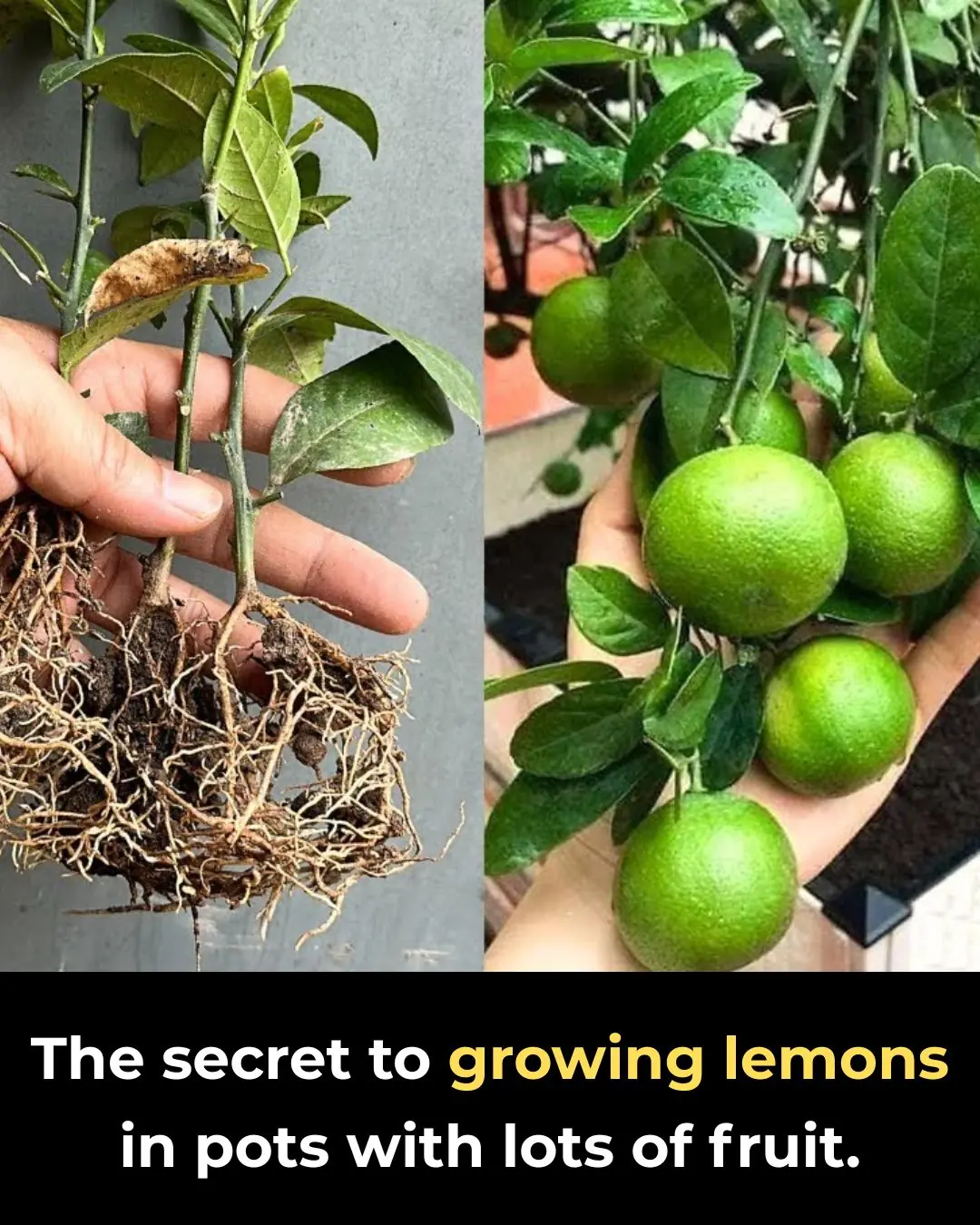
The secret to growing lemons in pots with lots of fruit.
Tips 10/12/2025 14:15

Signs Your Heart Is in Serious Danger
Health 10/12/2025 14:07
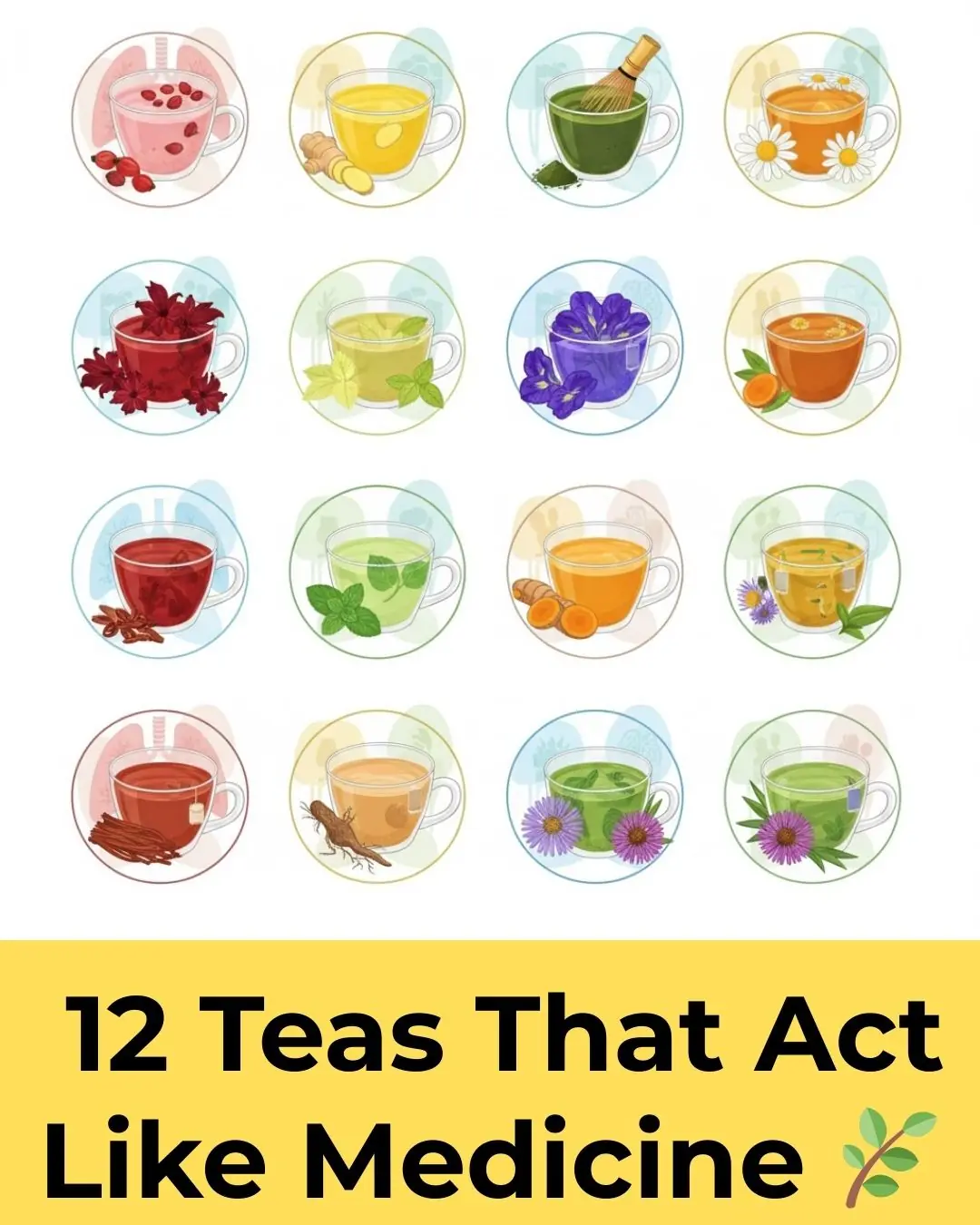
Herbal Teas That Act Like Medicine: What Science Really Says
News 10/12/2025 13:46
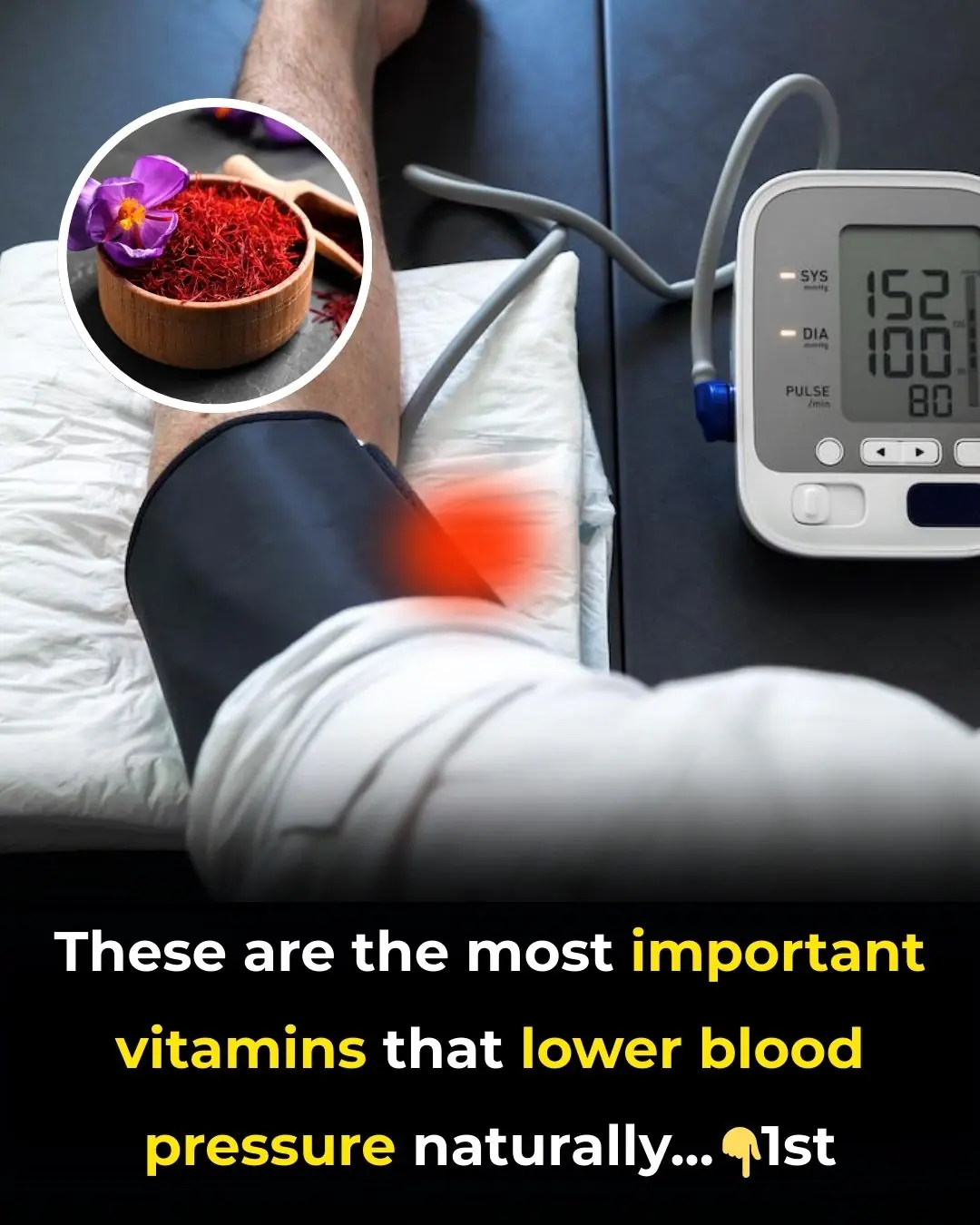
Top 13 Vitamins for High Blood Pressure – Reduce Naturally!
Health 10/12/2025 13:35

70-year-olds look 40! 🍀 The Japanese wrinkle remedy you need to try
Health 10/12/2025 13:31

Why Are Cancer Rates Among Young Women Skyrocketing? The Alarming Truth Revealed!
Facts 10/12/2025 12:28

Revolutionary Stem Cell Injection Restores Natural Hearing: A Breakthrough That Could Change the Future of Medicine
Facts 10/12/2025 12:15

Urgent Warning: 21 Poisonings Linked to Deadly Death Cap Mushrooms in California – Here's What You Need to Know!
Facts 10/12/2025 12:08

62,000 African Penguins Have Died From Starvation in South Africa: A Call for Urgent Conservation Action
Facts 10/12/2025 11:59

Why Your Calf Muscles Are Your 'Second Heart' and How to Keep Them Strong for Better Circulation!
Facts 10/12/2025 11:43

Norway Launches the Aurora Train: A Unique Night Journey to Witness the Northern Lights
Facts 10/12/2025 11:37

Shocking: Savannah Miller, 24, Forgot Her Tampon Inside Her for a Month
Life stories 10/12/2025 11:34

What Makes a Man Leaves His Wife For Another Woman
Life stories 10/12/2025 11:25
10 Clever Dryer Sheet Hacks That Will Transform Your Home
News 10/12/2025 11:07