Signs Your Heart Is in Serious Danger
Health 10/12/2025 14:07
If you have high blood pressure, the last thing you want to hear is that the medication you rely on might actually make things worse. Yet, according to a new study, the most widely used hypertension drugs—L-type calcium channel blockers (LCCBs)—could potentially harm the heart as much as they help it.
This is one reason many people are turning to natural, science-backed nutrients that support cardiovascular health. In this guide, we’ll look at 13 vitamins, minerals, antioxidants, and herbs that research suggests may help lower blood pressure naturally. Some can be taken as supplements, while others are abundant in everyday foods.
Let’s begin with an essential nutrient the human body cannot make on its own.
Vitamin C (ascorbic acid) is the body’s main water-soluble antioxidant, protecting tissues from damaging reactive oxygen species (ROS). One of its most important roles is maintaining healthy nitric oxide levels—a molecule that relaxes blood vessels and supports smooth, steady blood flow.
A review of eight studies in people with hypertension found that daily intake of 300–1,000 mg of vitamin C significantly lowered both systolic and diastolic blood pressure.
Vitamin C also helps prevent endothelial dysfunction and atherosclerosis—two conditions that contribute to coronary heart disease. Because the vitamin is essential for forming collagen, it keeps blood vessels strong and elastic, supporting efficient oxygen transport throughout the body.
A placebo-controlled study published in The Lancet showed that a simple 500 mg daily dose of vitamin C can meaningfully reduce blood pressure in hypertensive individuals.
Your body produces vitamin D when exposed to sunlight, yet deficiency is extremely common. Research involving more than 300,000 participants found that people with higher vitamin D levels had about 30% lower risk of developing high blood pressure.
Vitamin D helps regulate the renin-angiotensin-aldosterone system (RAAS), one of the primary systems that controls blood pressure. Low levels can lead to increased arterial stiffness and higher vascular resistance.
When supplementing, vitamin D3 is recommended because it is the same form naturally produced from sunlight and is highly bioavailable.
Hawthorn berries have long been used in Traditional Chinese Medicine for cardiovascular health. They contain potent antioxidant flavonoids that help dilate blood vessels, improve circulation, and shield heart muscle cells from oxidative stress.
Both animal and human studies have shown that hawthorn can reduce blood pressure and improve cholesterol balance. Its ability to relax vascular walls makes it especially valuable for individuals with mild to moderate hypertension.
Among the eight B vitamins, several play an important role in heart health.
Niacin (B3) is a natural vasodilator, helping widen blood vessels and reduce resistance to blood flow.
Vitamin B6 supports nerve function and helps the body regulate stress responses—important because chronic stress elevates blood pressure.
Riboflavin (B2) may reduce hypertension in people with certain genetic conditions affecting folate metabolism.
Folate (B9) helps lower homocysteine levels, a compound linked with heart disease and vascular damage.
Together, B vitamins support the nervous system, energy production, and the integrity of blood vessel walls.
Omega-3s are among the most researched nutrients for cardiovascular health. They lower inflammation, reduce blood lipids, and help regulate blood pressure by improving arterial flexibility.
A review of 71 clinical trials concluded that consuming around 3 grams of omega-3s per day offers the strongest blood-pressure-lowering effects.
EPA and DHA, found in fatty fish and fish oil supplements, are the most beneficial forms.
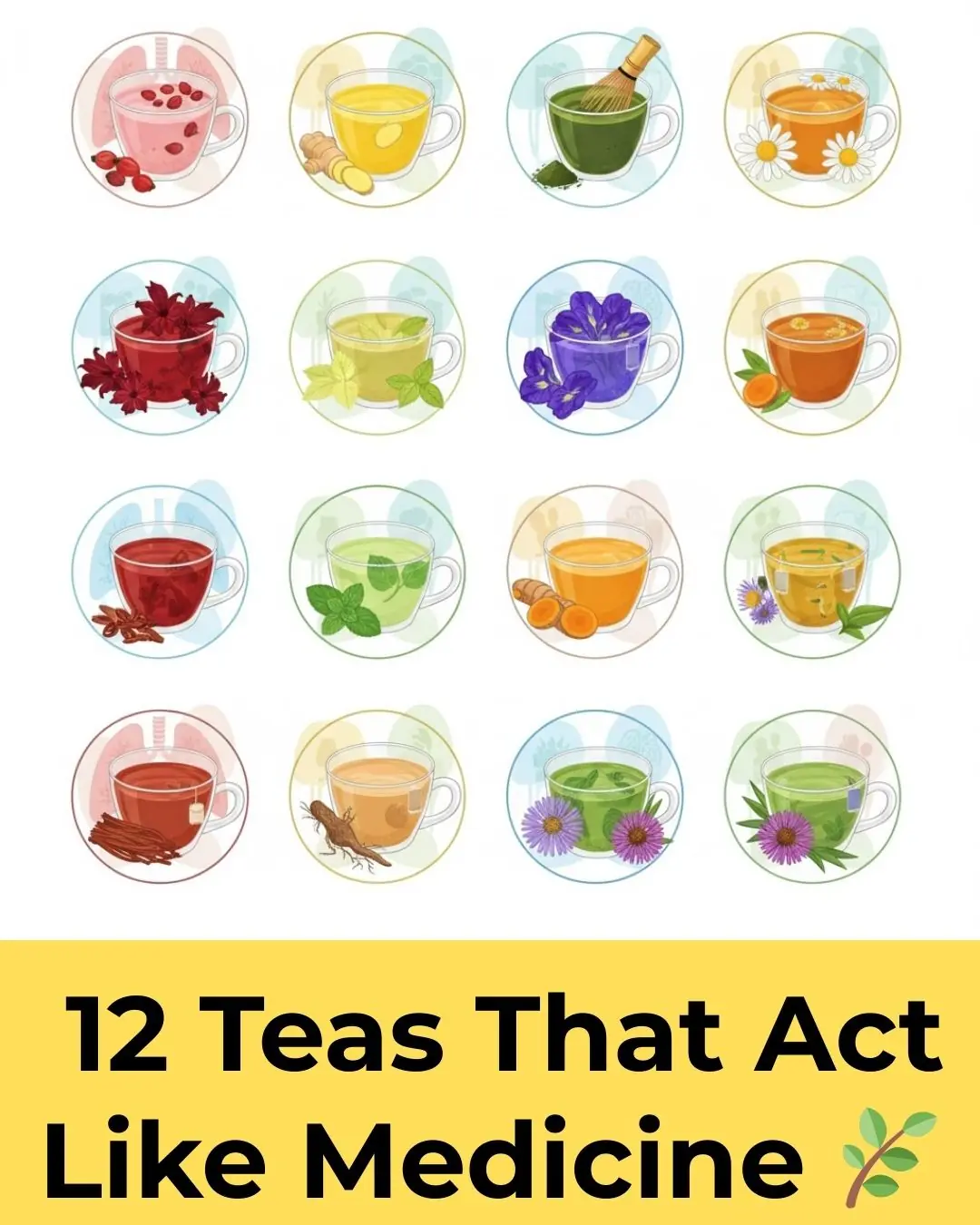
Hibiscus tea or extract is well known for its ability to naturally reduce blood pressure. It acts as a mild diuretic, helping the body flush out excess sodium and fluid, which decreases vascular pressure.
A study from the University of Western Australia involving 390 participants found that hibiscus extract significantly lowered blood pressure.
Another randomized trial showed that drinking hibiscus tea daily for six weeks reduced systolic blood pressure more than a placebo.
Saffron is rich in antioxidants that protect arteries from oxidative damage and inflammation.
A study of 230 men showed that supplementing saffron for 26 weeks significantly lowered blood pressure. Another study found that just 400 mg daily resulted in measurable reductions within one week.
Saffron also supports mood and stress balance, which may contribute to its cardiovascular benefits.
Arjuna bark is highly valued in Ayurvedic and Tibetan medicine. It contains compounds—including naturally occurring coenzyme Q10—that help reduce blood pressure by improving arterial function and supporting nitric oxide production.
CoQ10 supports mitochondrial energy production in heart cells, helping strengthen cardiac function and enhancing vascular relaxation.
Magnesium is one of the most important minerals for blood pressure regulation, yet nearly two-thirds of people in Western countries don’t consume enough.
It helps blood vessels relax and increases nitric oxide availability. A review of 11 randomized studies showed that consuming 365–450 mg daily for about three months significantly lowered blood pressure.
Another analysis involving more than 200,000 participants found that every extra 100 mg of dietary magnesium per day reduced hypertension risk by 5%.
The best supplemental forms are magnesium glycinate and magnesium malate, which are well absorbed and gentle on the stomach.
Ginger is a powerful anti-inflammatory root that supports healthy circulation. A review of six studies showed that consuming at least 3 grams daily for eight weeks helped younger adults reduce blood pressure.
In another 12-week study, participants with metabolic syndrome who consumed 2 grams of ginger powder per day saw significant reductions in blood pressure, triglycerides, and fasting blood sugar.
Ginger’s ability to improve circulation and reduce oxidative stress makes it a strong natural ally for cardiovascular health.
Potassium helps maintain healthy blood pressure by promoting sodium excretion through urine. Lower sodium levels mean reduced fluid retention and more relaxed blood vessels.
Many studies show that higher potassium intake—through foods or supplements—can help lower blood pressure.
Important: People with chronic kidney disease (CKD) must limit potassium and should consult a doctor.
A diet rich in fruits and vegetables usually supplies all the potassium most people need, making supplementation unnecessary for many individuals.
Garlic is one of the most researched natural remedies for hypertension. A review of 12 studies found that garlic supplements reduced systolic blood pressure by an average of 8.3 mm Hg and diastolic by 5.5 mm Hg.
Researchers estimate that this reduction can lower the risk of heart attack, stroke, and coronary artery disease by up to 40%.
Garlic works by boosting nitric oxide production and improving arterial elasticity.
Vitamin K2 is often overlooked, yet it plays a crucial role in preventing arterial calcification. It helps direct calcium away from blood vessels—where it can cause stiffness—and into bones, where it belongs.
Studies show that vitamin K2:
reduces arterial stiffness
slows calcification of blood vessels and heart valves
supports smooth, unobstructed blood flow
For best results, K2 (especially the MK-7 form) is often taken together with vitamin D3, which helps ensure calcium is efficiently absorbed and properly distributed.
Most of these 13 nutrients can be added to your diet simply by choosing the right foods, though supplements may be helpful for people with deficiencies or increased needs. While these natural approaches may support healthy blood pressure, they should complement—not replace—medical care. Always consult a healthcare professional before changing medications or starting new supplements.
What steps are you currently taking to manage your blood pressure? We’d love to hear!