10 DIY Storage Ideas to Quickly Organize Your Home
Facts 13/12/2025 17:29
12 Silent Signs Your Legs Could Be in Worse Shape Than You Think: What to Look Out For
Our legs are often a reflection of our overall health, yet we frequently overlook subtle signs that indicate underlying problems. From poor circulation to nerve issues, these "silent" symptoms can reveal much about the condition of your legs. Recognizing these early warning signs can help prevent more serious health problems down the line. Below, we’ve broken down twelve key indicators that your legs may not be in as good shape as you think. These symptoms may seem insignificant at first, but they could be the sign of something more serious.
Heavy, Tired Legs by Afternoon
By the time the afternoon rolls around, many people experience fatigue and heaviness in their legs, especially after long periods of standing or sitting. However, this may not just be simple tiredness. Persistent leg heaviness could signal poor circulation, a common symptom of venous insufficiency or early varicose vein issues. It’s important to pay attention to this feeling, especially if it occurs regularly or worsens with time. Left untreated, poor circulation can lead to more severe conditions such as chronic venous disease (American Heart Association, 2021).
Restless Legs at Night
If you experience a tingling sensation or an uncontrollable urge to move your legs at night, this condition is often referred to as Restless Legs Syndrome (RLS). This sensation is typically more noticeable when you're trying to relax or sleep, making it difficult to get a good night’s rest. RLS can be linked to iron deficiencies, nerve imbalances, or circulatory issues. If left unaddressed, it can contribute to long-term sleep deprivation, which can negatively impact your overall health (Mayo Clinic, 2021).
Pins and Needles for No Reason
A feeling of pins and needles, often described as tingling or prickling sensations in the legs or feet, may appear out of nowhere. This sensation, called paresthesia, is commonly caused by nerve compression, such as from sitting in one position for too long, or by low levels of B vitamins (particularly B12), which are vital for nerve function. If these sensations happen frequently and are not tied to a specific position, it may be a sign of nerve damage or poor blood flow (National Institutes of Health, 2020).
Cold Feet Even in Warm Rooms
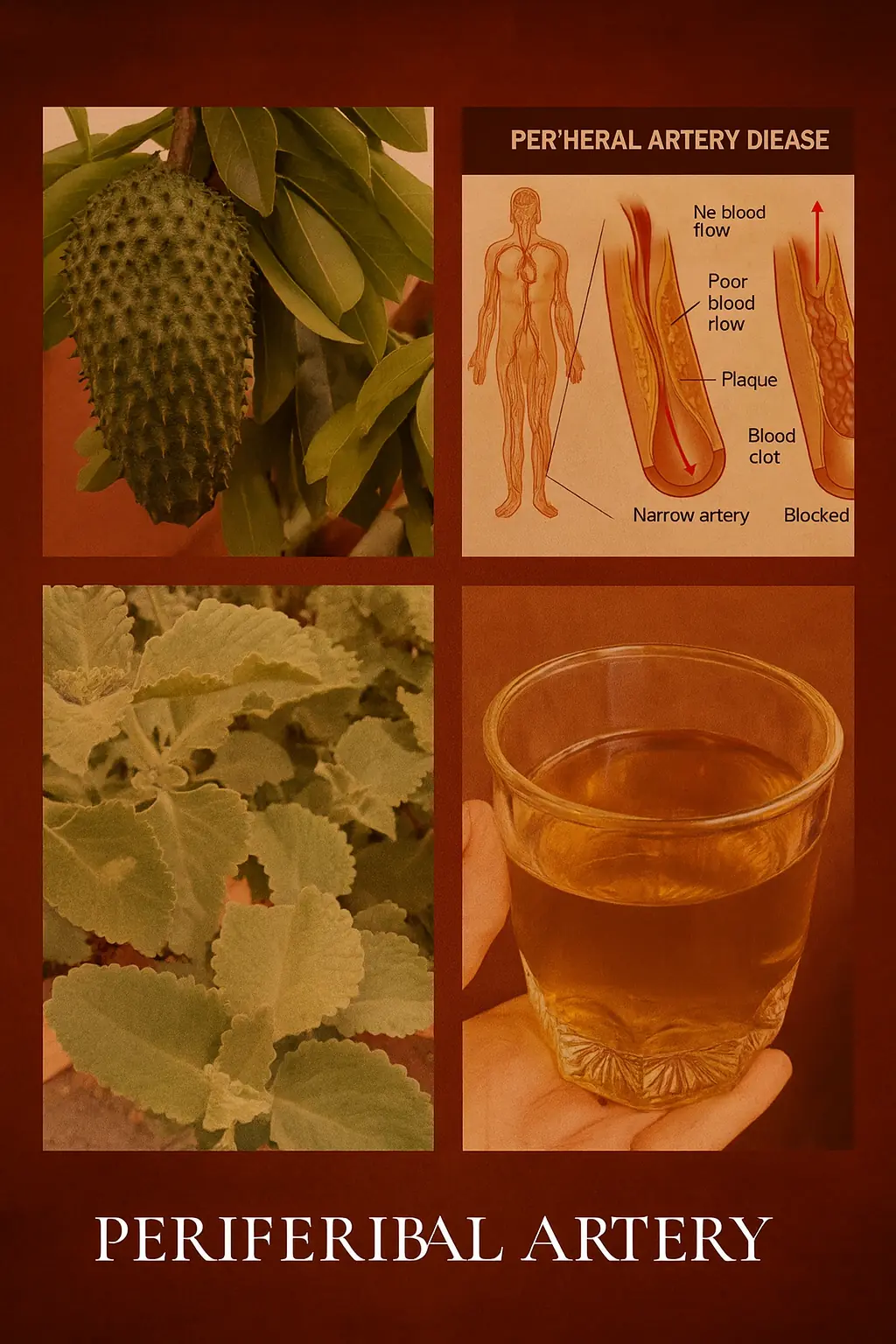
If you often find that your feet are cold, even when the rest of your body feels warm, this could be a subtle but important sign of poor circulation. Blood vessels in the lower extremities may not be receiving enough blood flow, which can cause the extremities to feel chilly. Chronic cold feet may indicate an underlying circulation issue that could progress to more serious vascular problems if left unchecked (American Diabetes Association, 2021).
Tight Calves All the Time
Persistent tightness in the calves, even when you haven’t been particularly active, may point to underlying issues with your muscles or posture. Tightness can be a sign that your muscles are compensating for weakness elsewhere, such as in your feet, glutes, or back. Additionally, poor posture or prolonged sitting can cause muscle strain and tension in the legs. This type of discomfort should not be ignored, as it could lead to more significant muscular and joint problems (Harvard T.H. Chan School of Public Health, 2021).
Itchy Shins with No Rash
Itchy skin on the shins, especially if there is no visible rash or irritation, can be a sign of poor circulation. When blood flow is inadequate, the skin may become dry, leading to itchiness. This sensation can also be linked to the formation of varicose veins or other vascular conditions. While scratching may provide temporary relief, it’s essential to address the root cause of the circulation issues to prevent further complications (National Heart, Lung, and Blood Institute, 2021).
Numbness When Sitting Cross-Legged
If you experience numbness or tingling in your legs when sitting cross-legged, it could be a sign of compressed nerves or restricted blood flow. Sitting in certain positions for extended periods can put pressure on the nerves or blood vessels, especially in the lower body. If this numbness becomes a regular occurrence, it may indicate more significant vascular or neurological problems that require medical attention (American Academy of Neurology, 2020).
Swelling Around Ankles
Swelling, particularly around the ankles, is another common sign of poor circulation or vein strain. Fluid retention in the lower legs can occur when blood vessels become weakened or when the veins have difficulty pumping blood back toward the heart. If the swelling is persistent or increases over time, it may signal the onset of chronic venous insufficiency or other circulatory issues (American College of Cardiology, 2021).
Spider Veins Appearing Suddenly
Spider veins, which are small, visible veins that appear just beneath the skin, can develop suddenly and are often a sign of increasing pressure in the veins. This is typically caused by blood pooling in the lower extremities due to weakened vein walls. Although spider veins are often harmless, they can be a sign of early varicose veins and may indicate the need for medical evaluation if they become more prominent (Mayo Clinic, 2021).
Nighttime Leg Cramps
Waking up with leg cramps is a common complaint, particularly among older adults. These cramps are often caused by low levels of magnesium, potassium, or dehydration. However, they can also be linked to poor blood flow to the muscles during sleep. If these cramps occur regularly and interfere with your rest, they could be a sign of circulatory or electrolyte imbalances that may need to be addressed through diet or medical treatment (National Institutes of Health, 2021).
Feet That Hurt When You Wake Up
Pain in the feet upon waking can be a result of inflammation, weak arches, or circulation problems. This discomfort, particularly in the heels or the bottoms of the feet, is often linked to plantar fasciitis, a condition that causes pain in the foot’s connective tissue. However, it could also indicate poor circulation, especially if the pain worsens after a night of sleep when blood flow to the feet may have been restricted (American Podiatric Medical Association, 2021).
It’s essential to listen to your body and take note of any unusual symptoms, especially those affecting your legs and feet. Many of these silent signs, such as restless legs, swelling, or leg cramps, can be early indicators of circulation problems, nerve issues, or musculoskeletal strain. If any of these symptoms persist or worsen, it’s advisable to consult a healthcare provider. Early detection and intervention can prevent more severe conditions from developing and help maintain healthy legs for years to come.
American Diabetes Association. (2021). "Peripheral Artery Disease and Diabetes." Retrieved from [https://www.diabetes.org]
Harvard T.H. Chan School of Public Health. (2021). "Physical Activity and Musculoskeletal Health." Retrieved from [https://www.hsph.harvard.edu]
Mayo Clinic. (2021). "Restless Legs Syndrome." Retrieved from [https://www.mayoclinic.org]
National Institutes of Health. (2021). "Leg Cramps and Circulatory Problems." Retrieved from [https://www.nih.gov]
National Heart, Lung, and Blood Institute. (2021). "Venous Insufficiency." Retrieved from [https://www.nhlbi.nih.gov]