Revolutionary Graphene Filter Instantly Turns Seawater Into Drinkable Water—A Game-Changer for Global Water Shortages!
Facts 13/12/2025 12:24
Noninvasive Brain Stimulation Shows Promise for Alzheimer’s Disease Treatment
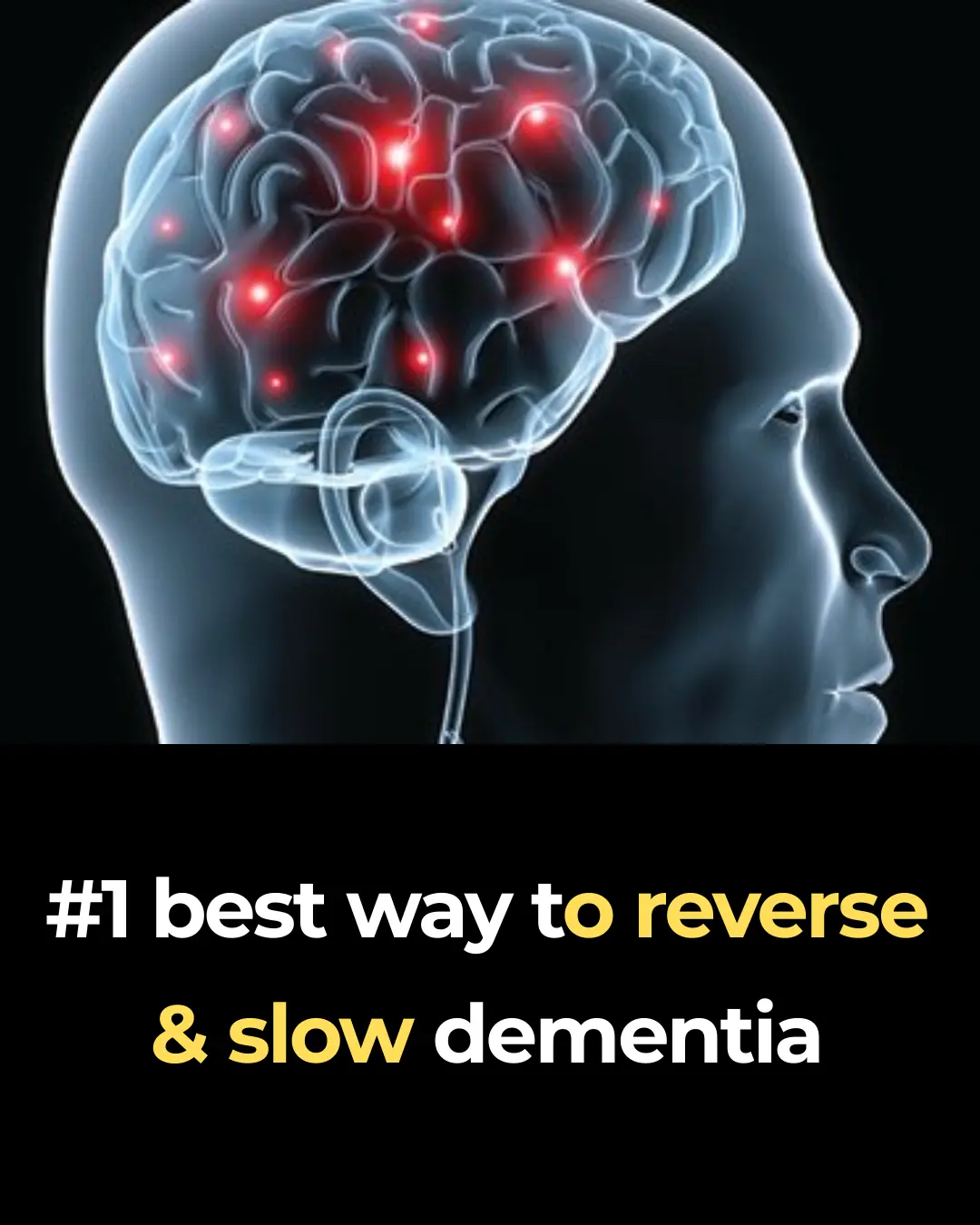
A recent study has uncovered the potential of a gentle, noninvasive brain stimulation technique—low-intensity repetitive transcranial magnetic stimulation (rTMS)—to repair damage caused by Alzheimer’s disease. This breakthrough method could offer a new direction for treating a condition that has long plagued millions of individuals worldwide.
The study, conducted by researchers from the University of Queensland and the University of Tasmania, used mice genetically engineered to replicate the symptoms of Alzheimer’s disease. These mice underwent just one session of rTMS and exhibited remarkable improvements in their brain function. Specifically, the stimulation restored critical connection points between brain cells, known as synaptic boutons, which play an essential role in memory and learning.
Before the rTMS treatment, these Alzheimer’s-mimicking mice displayed significantly reduced synaptic activity compared to healthy mice. However, following the stimulation, activity at one particular type of synapse surged by over 200%, nearly reaching the levels seen in normal brains. This improvement was not temporary; it lasted for approximately one week, suggesting that sustained stimulation might be necessary for long-term benefits. The findings represent an important step forward in Alzheimer's research, as they provide the first direct evidence that rTMS can enhance brain structures associated with the disease.
Despite these encouraging results, not all synapses responded equally to the rTMS treatment, which indicates that the stimulation might selectively strengthen specific brain circuits. This selectivity could be an advantage, targeting the most affected areas of the brain, and may hold significant promise for refining future treatment protocols. Nevertheless, the success of rTMS in repairing Alzheimer’s-related brain structures marks an exciting milestone in the search for effective therapies to protect memory and cognitive function.
Alzheimer’s disease is one of the leading causes of cognitive decline worldwide, affecting millions of people and their families. Current treatments for the disease primarily aim to manage symptoms rather than halt or reverse the progression of the illness. This new research into rTMS presents a possible shift in the therapeutic landscape, offering hope for a treatment that could potentially repair damaged brain circuits, rather than merely mitigate the symptoms.
While the study involved animal models, its implications for human patients are profound. Researchers are optimistic that, with further trials and studies, rTMS could be developed into a safe and effective treatment for humans, particularly for those in the early stages of Alzheimer’s disease. If future studies confirm these results, rTMS could become a standard therapeutic approach for managing cognitive decline and preserving mental functions in Alzheimer’s patients.
In addition to these findings, similar studies are also exploring the potential of rTMS to treat other neurodegenerative diseases and conditions associated with brain dysfunction, such as depression and Parkinson's disease. This growing body of research suggests that noninvasive brain stimulation could be a powerful tool in the medical arsenal, potentially revolutionizing the treatment of cognitive disorders.
The path forward involves further investigation to determine the optimal parameters for rTMS in treating Alzheimer’s disease and identifying the specific brain regions that benefit most from the therapy. Moreover, clinical trials in human populations will be crucial in confirming the safety and efficacy of this promising technique. However, with encouraging results from both animal studies and preliminary human trials, rTMS offers significant potential as a breakthrough treatment for Alzheimer’s disease.
Sources:
University of Queensland and University of Tasmania research findings.
Nature Neuroscience (2024) – Published studies on rTMS and cognitive improvement in neurodegenerative diseases.
Alzheimer’s Association – Ongoing research into new treatments for Alzheimer’s disease.