Foods That Can Quietly Raise Your Blood Pressure
Health 24/04/2026 21:07
Hindsight can be harmless at times, and critical at others. While forgetting a minor task might lead to a small inconvenience, overlooking persistent medical symptoms, especially those that could signal cancer, can have far more serious consequences.
According to recent estimates, cancer continues to be a significant health challenge globally. For instance, in the United States alone, the American Cancer Society projects over 2 million new cancer cases and more than 618,000 cancer deaths in 2025. Late detection, often due to overlooked symptoms, can allow the disease to progress, making treatment more challenging. The deceptive nature of these symptoms lies in their resemblance to common, benign occurrences. However, when the following seemingly mundane symptoms persist, it's crucial to consult a physician for evaluation.

Bleeding Between Periods (Women Only) Light spotting outside of your regular menstrual cycle can be attributed to hormonal shifts, cervical inflammation, stress, or blood thinners. However, if this spotting occurs repeatedly, it warrants a physician's evaluation to rule out potential endometrial cancer in the uterus.
Persistent Bloating (Women Only) Bloating is a common complaint linked to dietary habits, indigestion, premenstrual syndrome, and pregnancy. Yet, if bloating persists for longer than two weeks or is accompanied by bleeding and unexplained weight loss, it could be a sign of ovarian cancer. If you experience such symptoms, consult your doctor.
Changes in Your Testicles (Men Only) Any new lump, swelling, pain, discomfort, or other noticeable change in a testicle should prompt immediate medical attention. These can be indicators of testicular cancer, which can progress rapidly. Regular self-examinations (recommended monthly for men aged 15 to 55) can help identify any changes early.
Urinary Problems (Men Only) As men age, an enlarged prostate gland is common and can cause frequent urges to urinate (especially at night), difficulty initiating urination, or a weak stream. While these are often benign, they can also be symptoms of prostate cancer. A doctor's visit is essential to determine the cause.
Breast Changes (Men and Women) Breast cancer affects both men and women. Obvious signs that should be immediately evaluated by a specialist include changes in breast structure, the appearance of new lumps, or alterations in the skin or nipple (such as dimpling, redness, or inversion). It's important to remember these signs aren't definitive proof of cancer but require expert assessment to clarify. There can also be less conventional indicators that many people overlook; always seek professional advice for any suspicious breast changes.
Blood in Urine or Feces Healthy digestion is vital. If you experience discomfort during digestion and notice any blood (redness) in your feces or urine, seek immediate medical attention. This can be a key indicator of colon or kidney cancer.
Mole Changes Skin cancer is one of the most common cancers. A significant indicator of potential skin cancer, especially melanoma (a more aggressive form), is a change in an existing mole or the appearance of a new one. The Skin Cancer Foundation recommends the ABCDE method for evaluating moles: Asymmetry, Border irregularity, Color variation, Diameter (larger than 6mm), and Evolving (any change in size, shape, or symptoms).
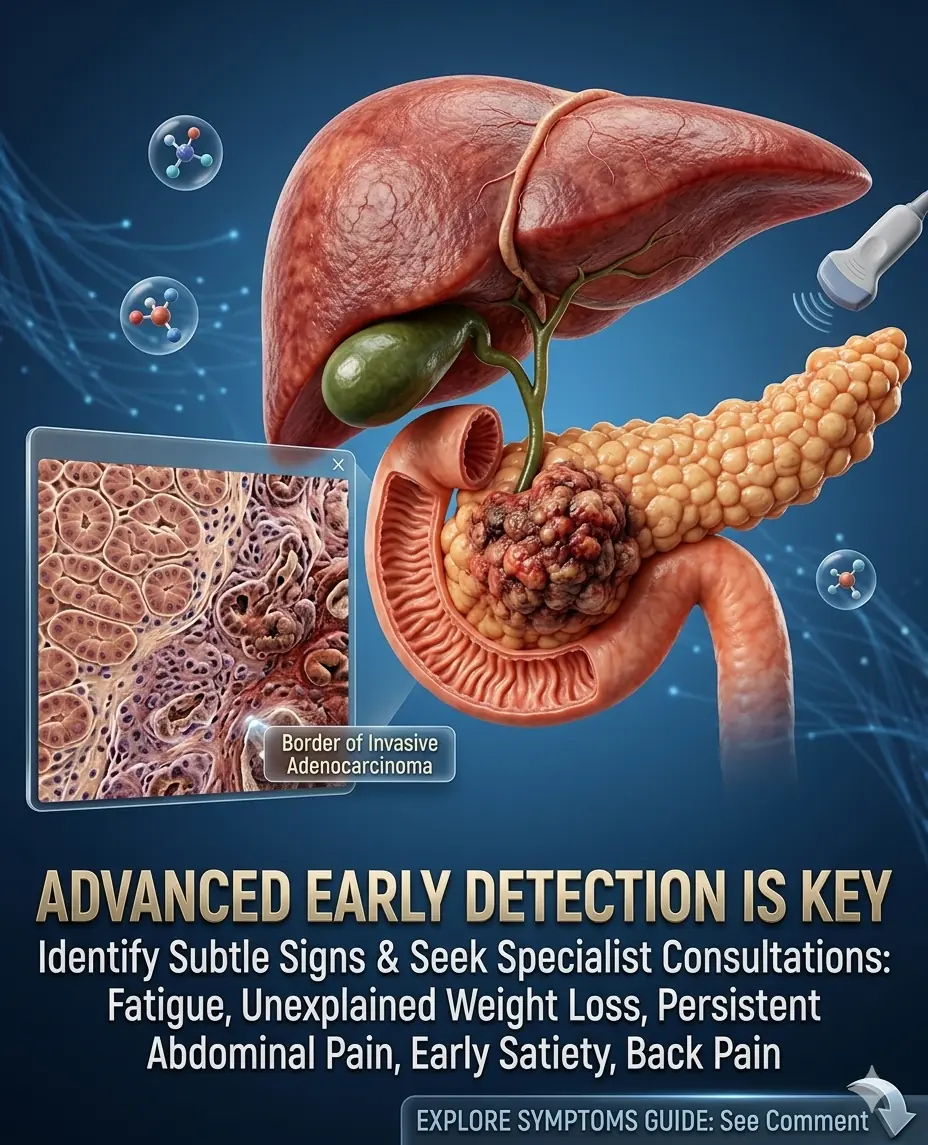
Sudden, Unexplained Weight Loss While sudden weight loss might seem desirable to some, if you experience significant weight loss without any intentional changes in diet or physical activity, it's a cause for concern rather than relief. This symptom can have many explanations, but the possibility of pancreatic, lung, or stomach cancer should not be ruled out.
Ongoing Unexplained Pain Pain can arise from countless conditions. However, persistent, unexplained pain lasting a month or longer could signal various cancers, including bone or brain cancer. Any suspicious, prolonged, and unexplained pain should be discussed with your doctor.
Unusual and Persistent Fatigue Feeling tired is a normal part of modern life. But if you experience persistent, overwhelming tiredness that doesn't improve with adequate rest and a reasonable diet, and it significantly impacts your daily functioning, it's important to investigate the underlying cause with a physician.
Difficulty Swallowing (Dysphagia) Occasional throat swelling or dryness making swallowing difficult is common. However, if you regularly experience trouble ingesting foods or liquids, this symptom (known as dysphagia) can sometimes be caused by cancer in the mouth, throat, or esophagus. A medical evaluation is crucial if this becomes a regular occurrence.
Persistent Cough A cough is a very common and usually temporary symptom. However, if a cough persists for several weeks, especially if accompanied by pain, shortness of breath, or the coughing up of blood, it warrants immediate medical attention. Smokers, in particular, should be highly vigilant about persistent coughing, as it is a common sign of lung cancer.
Chronic Heartburn Heartburn is familiar to many, often linked to diet or biological predispositions. Yet, if heartburn persists despite attempts to alleviate it with routine changes, it's important to uncover the root cause. Chronic heartburn can be an indicator of cancers of the ovaries, stomach, or esophagus. Studies suggest that persistent heartburn may elevate the risk of throat cancer, necessitating prompt medical evaluation.
Persistent Fever Fevers are common responses to infection. However, if a fever refuses to subside, recurs frequently without clear cause, or occurs in severe conditions, it should be a concern. Many types of cancer can be accompanied by long-standing or recurrent fevers.
Changes in Lymph Nodes The lymphatic system is crucial for fighting infections and managing fluid and waste in the body. Lymph nodes commonly swell in areas like the neck, groin, and underarms due to common infections. However, persistent or unexplained swelling of lymph nodes can also be a symptom of certain cancers, including leukemia and lymphoma.
While this list might seem alarming, it's important not to panic immediately. Each of these symptoms can be tied to far less serious ailments than cancer. Don't let anxiety take over; instead, take the proactive step of seeking a thorough evaluation by a healthcare professional if you experience any persistent or concerning symptoms mentioned above. Early detection significantly improves outcomes, so when in doubt, get it checked out.