The World’s Deadliest Food Still Eaten by Millions Every Year

Despite modern food safety standards and widespread awareness, one of the world’s most dangerous foods continues to be consumed by nearly 500 million people annually. Shockingly, it is responsible for over 200 deaths each year.
So what is this risky delicacy—and why do so many people still eat it?
A Staple Food with a Hidden Danger
Cassava, also known as manioc or yuca, is a root vegetable widely consumed in parts of Africa, Asia, and South America. It’s a major source of carbohydrates for millions of people, especially in developing regions.
However, cassava contains naturally occurring compounds called cyanogenic glycosides. When not processed properly, these compounds can release cyanide—a toxic chemical that can be deadly.
How It Becomes Dangerous
In its raw or improperly prepared form, cassava can pose serious health risks. The toxins found in cassava can lead to acute poisoning, causing symptoms such as dizziness, vomiting, stomach pain, and in severe cases, death.
Long-term exposure to low levels of these toxins has also been linked to neurological disorders and other chronic health conditions.
Why People Still Eat It
Despite the risks, cassava remains a crucial food source for millions. It is drought-resistant, easy to grow, and often one of the few reliable crops in regions facing food insecurity.
For many communities, avoiding cassava simply isn’t an option.
The Importance of Proper Preparation
The good news is that cassava can be made safe to eat with proper processing. Traditional methods such as soaking, fermenting, drying, and thoroughly cooking the root help remove harmful toxins.
When prepared correctly, cassava becomes a safe and valuable part of the diet.
Raising Awareness Saves Lives
Health organizations continue to educate communities about safe cassava preparation techniques. Increased awareness and better food processing practices have already helped reduce the number of deaths in recent years.
However, the risk still remains—especially in areas where knowledge or resources are limited.
Final Thoughts
Cassava is a powerful reminder that even everyday foods can carry hidden dangers. While it feeds hundreds of millions, it also highlights the importance of proper food preparation and education.
Understanding the risks doesn’t mean avoiding the food altogether—it means respecting the process that makes it safe.

News in the same category


5 Dangerous Foods Linked to Childhood Cancer: Urgent Warning for Parents

If Your Hands Start Looking Like This… It’s Not Just Dry Skin — It Could Be a Warning Sign

20 Subtle Cancer Symptoms Commonly Missed

5 Traits Women With Small Social Circles Often Share

Head Injuries May Show Delayed Symptoms, Experts Warn

3 Evening Habits That Are Silently Stealing Your Lifespan

The Nose Knows: Can Your Sense of Smell Predict Death?

Why You Naturally Sleep With One Foot Outside the Blanket – The Surprising Science Behind It

The Silent Culprit That Keeps Your Stomach From Healing (And Most People Ignore It)

10 Warning Signs of Pancreatic Cancer You Should Never Ignore

Blood Pressure Drug Recalled After Cancer-Causing Chemicals Detected: What You Need to Know

Correct vs Wrong Sitting Posture: How Poor Wrist Position Can Damage Your Nerves

Many people believe that storing leftovers in the fridge automatically makes them safe to eat the next day

Doctors reveal that eating avocado causes... see more

5 Alarming Stroke Warning Signs to Watch for in Young People

Is He Pulling Away? The Real Reason Your Partner Turns Their Back While Sleeping

If Your Cat Sleeps Next to You, It Might Be Trying to Tell You Somethin

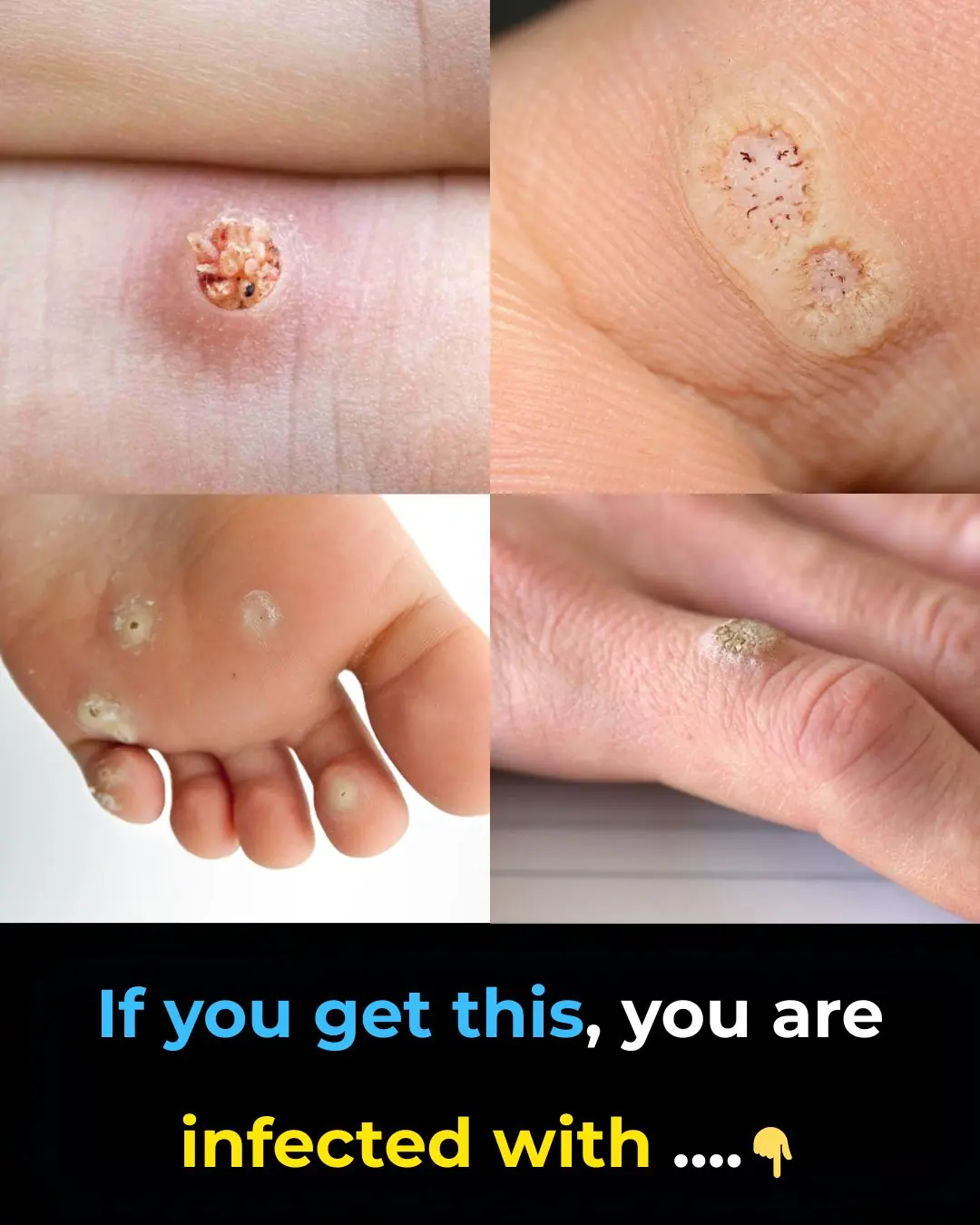
6 Types of Warts: Signs, Symptoms, Home Remedies, and Treatment
News Post

The Economic Siege: What Iran Stands to Lose Under a US Naval Blockade

Your Ships Will Be Sunk": Iran Issues Stark Warning to US Over Strait of Hormuz Blockade

Middle East at a Crossroads: Israel Weighs Response to Iran’s Unprecedented Attack (April 16 Update)

Decoding the Chalice Illusion: One Vessel, Four Faces, and Three Secrets

The Health Benefits of Cherries: When to Eat Them, How to Enjoy Them, and How Much Is Enough

What Is That Fabric Strip Across Hotel Beds? The Surprising Purpose Explained

Mini-Stroke Symptoms in the Elderly — What You Should Never Ignore

5 Dangerous Foods Linked to Childhood Cancer: Urgent Warning for Parents

What Your Favorite Ice Cream Flavor Says About Your Personality

Part 2: No one moved.

My Husband Proudly Introduced His Pregnant Mistress at Dinner… Until His Father Stood Up and Said THIS

PART 2: “HEY—DON’T TOUCH ME!”

PART 2: “HEY—WHAT ARE YOU DOING?

I Walked Away From My Baby on a Plane… What Happened 13 Years Later Broke Me

Mixing Your Medications in One Pill Box

Don't Cheat. Choose A Nail To See What Kind Of Woman You Are...Read more

12 Early Warning Signs of Dementia

5 Types of Women Men Never Truly Forget