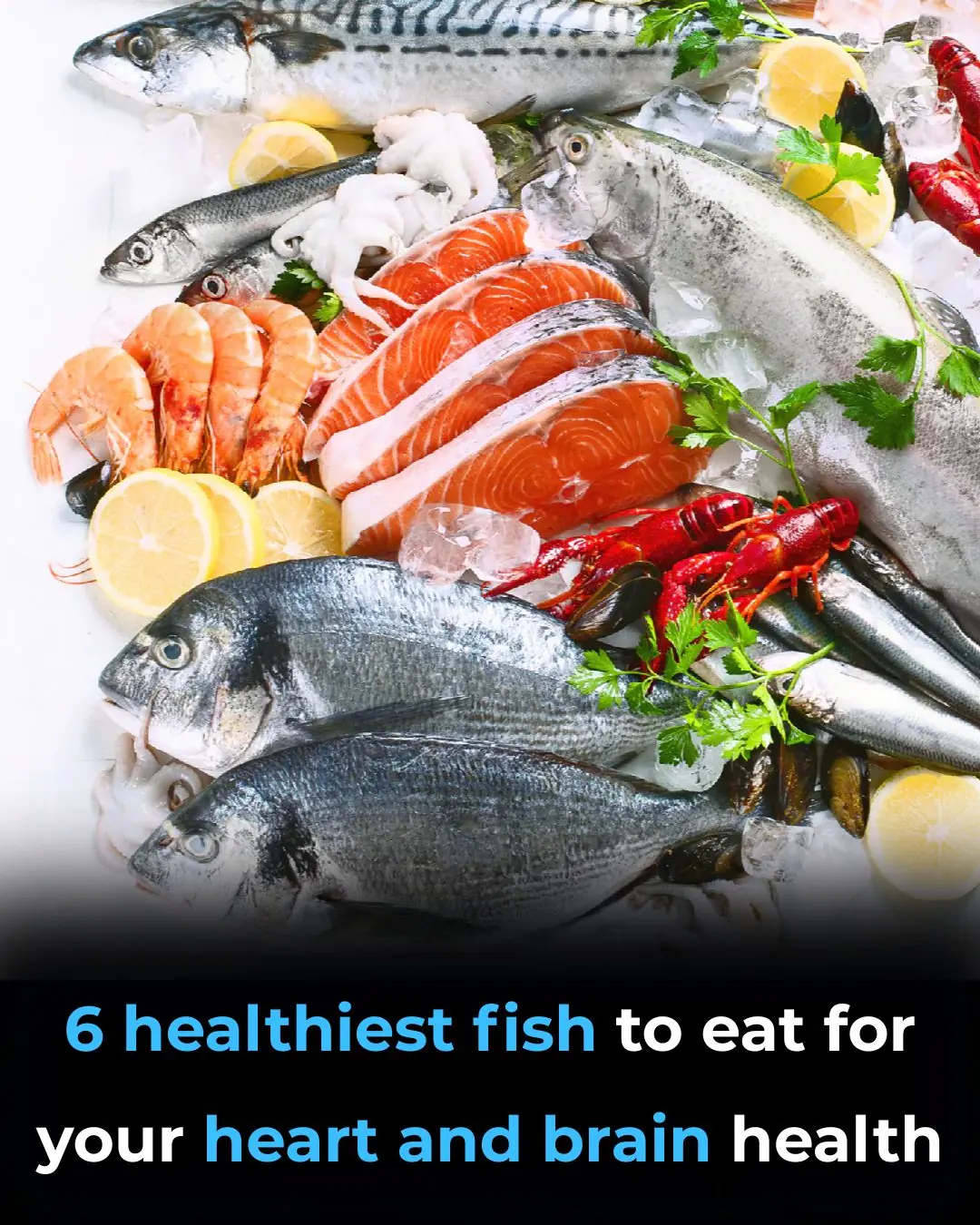
6 Healthiest Fish to Eat for Your Heart and Brain Health
Health 09/01/2026 22:37
Vitamin D deficiency is surprisingly widespread. Research suggests that nearly 20% of adults in the United States do not get enough of this essential nutrient, which plays a critical role not only in maintaining strong bones but also in supporting healthy nerve signaling, muscle function, and immune defense. In recent years, low vitamin D levels have also been linked to higher risks of chronic disease and increased mortality among middle-aged and older adults.
Although supplements are a common way to address this gap, they are not the only option. Several foods—and, importantly, exposure to sunlight’s ultraviolet (UV) rays—can significantly contribute to daily vitamin D intake. Most adults require about 600 international units (IU) of vitamin D per day until age 71, after which the recommendation rises to 800 IU. Incorporating the following foods and drinks into your routine can help you reach these targets more naturally.
Fatty fish such as salmon, mackerel, sardines, and trout are among the richest natural sources of vitamin D3, the form most efficiently used by the human body. According to registered dietitian Morgan Walker, MS, RD, LDN, vitamin D3 is particularly valuable because it raises blood vitamin D levels more effectively than other forms.
A single 3-ounce serving of rainbow trout provides approximately 645 IU of vitamin D, while the same portion of sockeye salmon delivers around 570 IU. Canned varieties of tuna and salmon are also affordable, shelf-stable, and versatile. They can be easily added to salads, sandwiches, pasta dishes, or formed into simple fish patties for quick meals.
Egg yolks contain vitamin D3, though in smaller amounts compared to fatty fish. One large egg supplies about 44 IU. While this may seem modest, eggs are widely consumed and can contribute meaningfully when eaten regularly.
Registered dietitian Jen Hernandez, RDN, CSR, highlights deviled eggs as a way to emphasize yolks, which hold most of the vitamin D content. She recommends replacing traditional mayonnaise with low-fat Greek yogurt to boost protein while reducing saturated fat. Other practical options include omelets, scrambled eggs, fried rice, breakfast bowls, and baked goods, all of which make it easy to include eggs in daily meals.
Few plant-based foods naturally contain vitamin D, but mushrooms exposed to ultraviolet light are a notable exception. A half cup of sliced, UV-exposed white mushrooms provides roughly 366 IU of vitamin D. Shoppers can identify these products by labels such as “UV-Exposed” or “High in Vitamin D.”
Mushrooms like shiitake, button, and oyster varieties contain ergosterol, a compound that converts to vitamin D2 when exposed to UV light—similar to how sunlight triggers vitamin D production in human skin. Hernandez recommends roasting mushrooms or incorporating them into risottos, stir-fries, or grain bowls. Because vitamin D is fat-soluble, pairing mushrooms with healthy fats such as olive oil, avocado, or nuts helps improve absorption.
Fortified dairy products, including cow’s milk and yogurt, usually contain vitamin D3, while most plant-based milks and non-dairy yogurts are fortified with vitamin D2. One cup of fortified 2% milk typically provides about 120 IU of vitamin D.
Plant-based alternatives such as soy, almond, and oat milk offer between 100 and 144 IU per cup, depending on the brand and formulation. These beverages can be used in smoothies, cereals, coffee, or cooking, making them an easy way to increase intake across different dietary preferences.
Many breakfast cereals are fortified with vitamin D, generally supplying around 80 IU per serving. While internal medicine physician Frank Dumont, MD, advises against relying heavily on processed cereals as a primary vitamin D source, they can still play a supportive role—especially for children or picky eaters who may avoid fish, eggs, or mushrooms.
Choosing whole-grain, lower-sugar cereal options can help balance nutritional benefits while still contributing to overall vitamin D intake.
For individuals who spend regular time outdoors and consume vitamin D–rich foods consistently, supplementation may not be necessary. Research indicates that sunscreen does not completely block vitamin D production, allowing some synthesis to occur during sun exposure.
However, supplementation may be beneficial for people who live in regions with limited sunlight, spend most of their time indoors, have darker skin, or follow vegetarian or vegan diets. Vitamin D deficiency often presents without obvious symptoms, but possible signs include fatigue, muscle weakness, bone pain, and frequent illness. A simple blood test can confirm vitamin D levels, and Hernandez recommends checking them twice a year, ideally around daylight saving time changes.
Before starting a vitamin D supplement, it’s important to consult a healthcare provider to ensure appropriate dosing and to avoid potential interactions with medications or underlying health conditions.