Letting Tea Steep Overnight: Five Surprising Benefits You May Not Know About
Tea is one of the most widely consumed beverages in the world, valued not only for its taste but also for its health-promoting properties. While most people brew tea for just a few minutes, letting tea steep overnight—often referred to as cold or long infusion—has become increasingly popular. This simple method may unlock additional benefits that many people are unaware of.
When prepared correctly, overnight-steeped tea can offer both convenience and health advantages.
1. Higher Antioxidant Availability
Longer steeping times allow more beneficial compounds, such as polyphenols and catechins, to be released from tea leaves. These antioxidants help combat oxidative stress, which is linked to aging and chronic diseases. Cold or overnight steeping may preserve these compounds better than boiling water, which can degrade certain sensitive antioxidants.
2. Gentler on the Stomach
Tea that steeps overnight, especially in cool or room-temperature water, typically contains lower levels of tannins. Tannins are responsible for bitterness and may cause stomach irritation in some people. Reduced tannin content makes overnight tea smoother, milder, and easier to digest.
3. Lower Caffeine Content
Compared to hot-brewed tea, overnight-steeped tea generally contains less caffeine. This makes it a good option for individuals who are sensitive to caffeine or want to enjoy tea later in the day without affecting sleep quality.
4. Improved Hydration and Convenience
Overnight tea encourages regular fluid intake, which is essential for overall health. Preparing tea in advance also saves time and provides a refreshing, ready-to-drink beverage the next day—making it easier to choose tea over sugary drinks.
5. Enhanced Flavor Without Additives
Slow infusion brings out subtle flavors and natural sweetness, reducing the need for sugar or artificial sweeteners. Many people find overnight tea more aromatic and enjoyable, especially when using high-quality green or herbal teas.
How to Steep Tea Overnight Safely
To prepare overnight tea safely:
-
Use clean containers and fresh water
-
Refrigerate the tea while steeping
-
Consume within 24 hours
-
Avoid leaving tea at room temperature for extended periods
Proper storage prevents bacterial growth and preserves flavor.
Final Thoughts
Letting tea steep overnight is a simple yet effective way to enjoy a smoother, less bitter beverage with potential health benefits. While it is not a cure-all, this method supports hydration, antioxidant intake, and mindful beverage choices when practiced safely.

News in the same category


With just one toothpick, you can save hundreds of thousands of dong on gas bills every month.

If you buy clams and don't eat them all in time, remember to do this to keep them fresh longer, prevent them from shrinking, and keep them plump and sweet like when you first bought them.

When stir-frying bean sprouts, don't add them directly to the pan; this will make them delicious, crispy, and free from any fishy taste or excessive water.

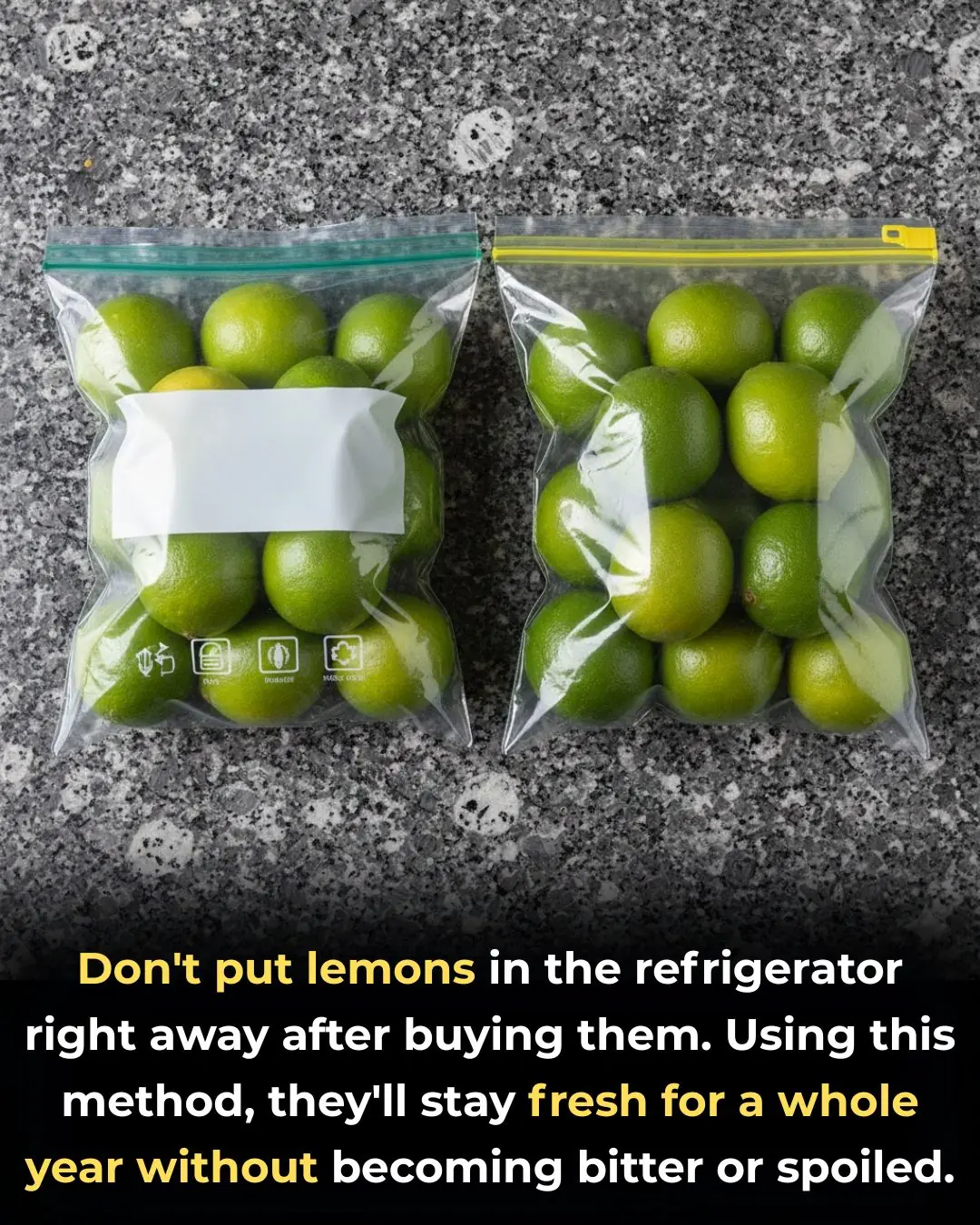
Don't put lemons in the refrigerator right away after buying them. Using this method, they'll stay fresh for a whole year without becoming bitter or spoiled.

Does This Household Trick Really Keep Flies, Mosquitoes, and Cockroaches Away? What You Should Know

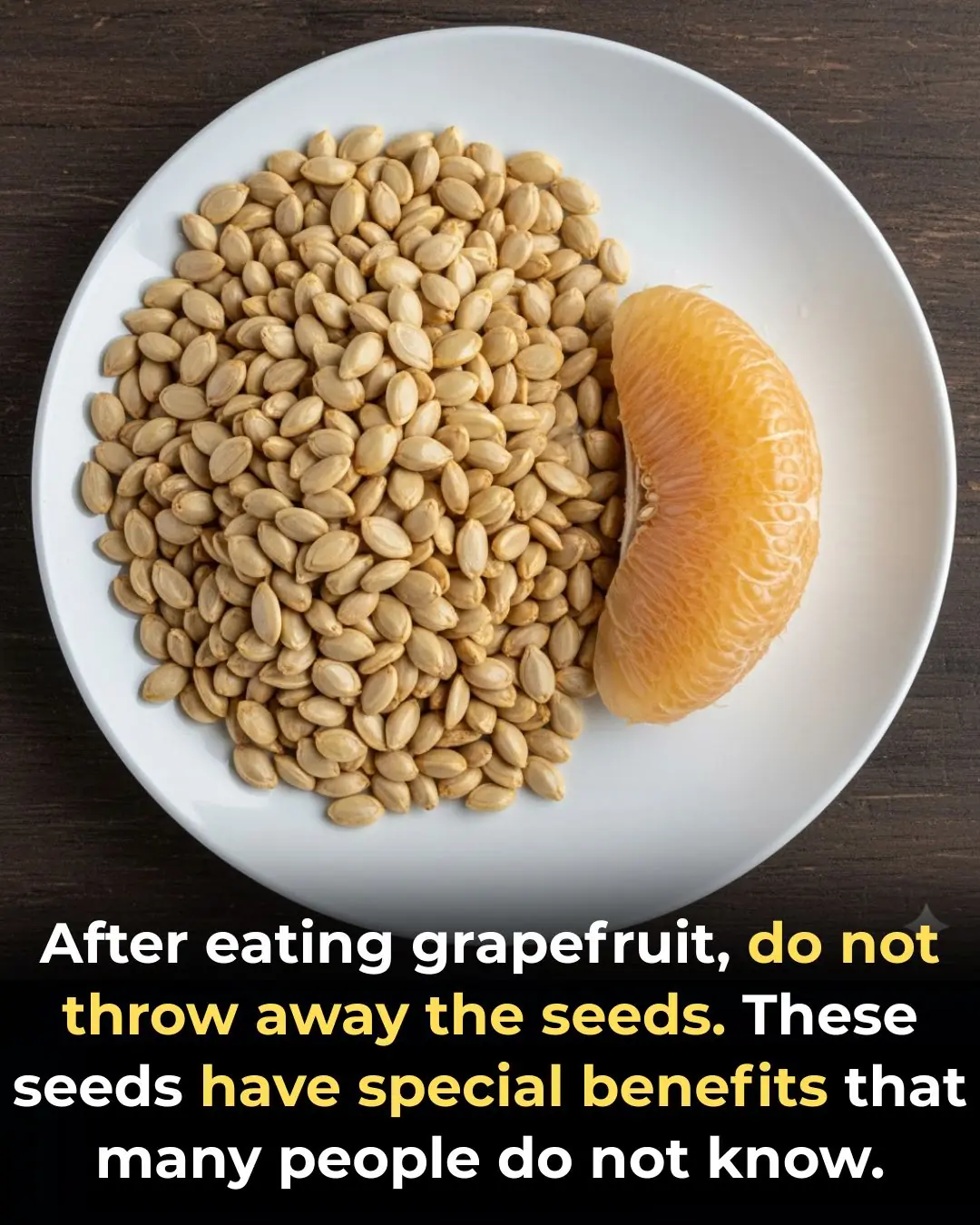
Don’t Throw Away Grapefruit Seeds: Little-Known Benefits You Might Be Missing

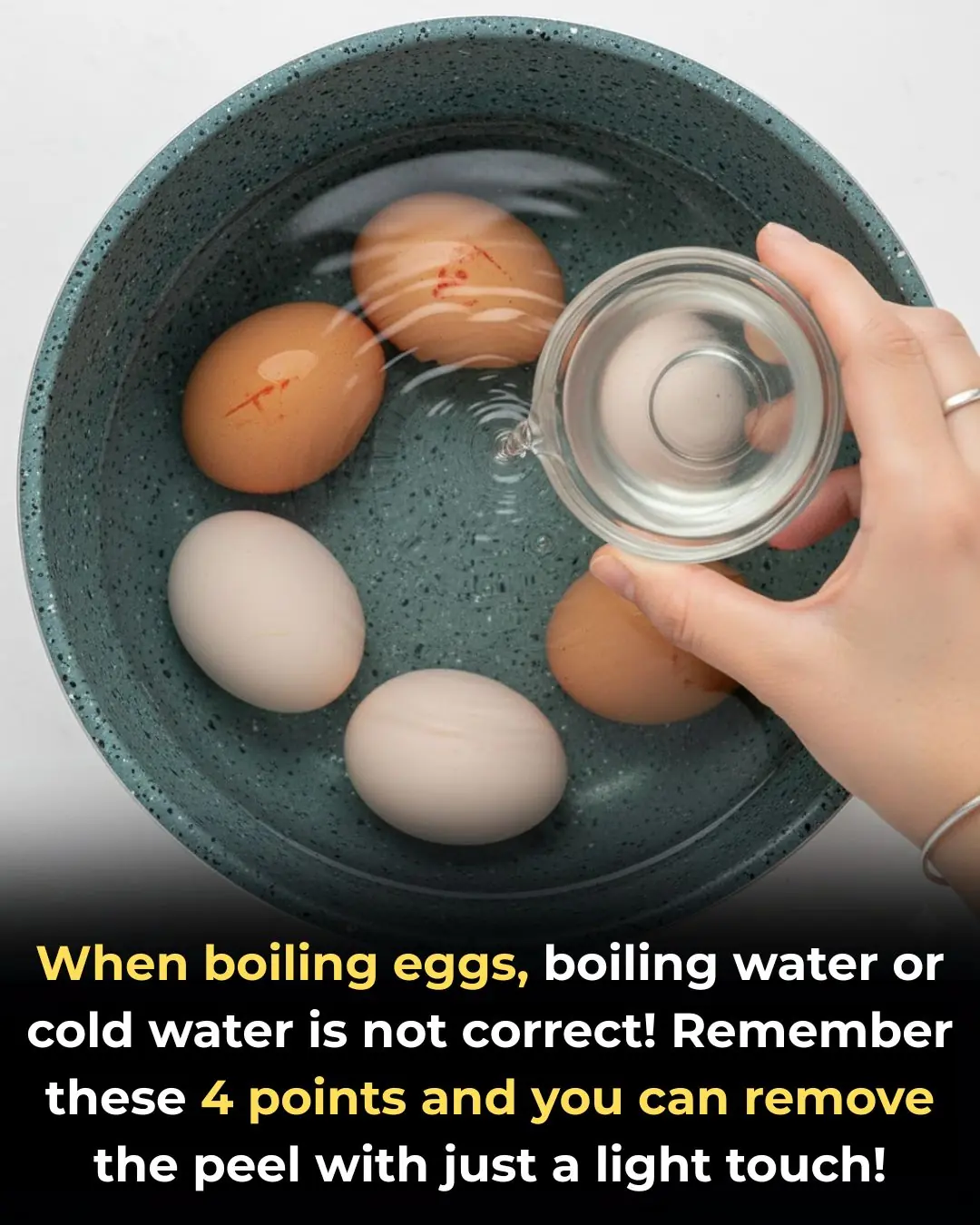
The Right Way to Boil Eggs: Forget Hot or Cold Water—Remember These 4 Key Tips for Easy Peeling

Why You Should Avoid Pouring Hot Water Down the Sink: A Common Mistake Many People Don’t Realize

What Happens to Your Body When You Eat Tofu Regularly? Four Surprising Benefits

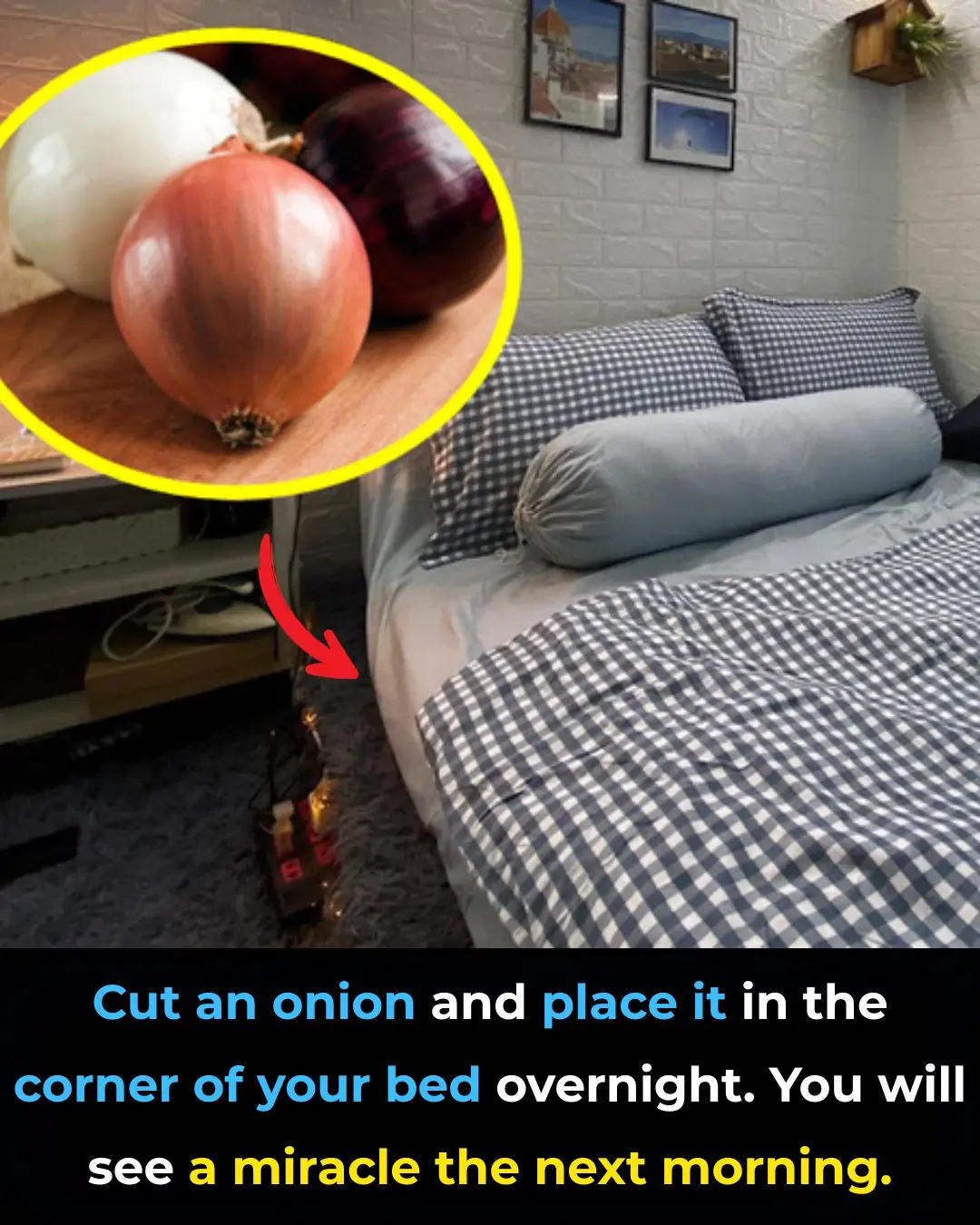
Does Placing a Cut Onion by Your Bed Really Work? The Truth Behind This Popular Home Belief

Soaking Vegetables in Water: Why the Old Method Can Be Risky and the Safer Way to Do It

Why You Should Keep Some Cash Behind Your Phone Case: A Simple Habit with Practical Benefits

Tips for preserving bean sprouts to keep them crispy and prevent them from turning black for 7 days.

This red, scaly patch won’t go away. It's all over my forehead and doctor isn't answering me. What is it?

I keep wondering why this happens to me

7 easiest ways to distinguish real milk from fake milk that consumers should know by heart

How to Restore a Worn Non-Stick Pan Instead of Throwing It Away

I keep noticing thin black lines forming above my door frames, and they seem to get darker every winter. What can I do to fix?
News Post

6 Healthiest Fish to Eat for Your Heart and Brain Health

Put a Roll of Toilet Paper in the Refrigerator: A Simple Household Trick With Big Benefits

With just one toothpick, you can save hundreds of thousands of dong on gas bills every month.

If you buy clams and don't eat them all in time, remember to do this to keep them fresh longer, prevent them from shrinking, and keep them plump and sweet like when you first bought them.

When stir-frying bean sprouts, don't add them directly to the pan; this will make them delicious, crispy, and free from any fishy taste or excessive water.

Don't put lemons in the refrigerator right away after buying them. Using this method, they'll stay fresh for a whole year without becoming bitter or spoiled.

Drop a Bar of Soap Into the Toilet: A Simple Trick With Surprising Benefits for the Whole Family

Don’t overlook these small red spots on your arm – They could be important warning signs

Scientifically Proven Health Benefits of Avocado and Avocado Seeds

10 Ways To Lower Your Blood Pressure Naturally

6 Foods You Should Eat Instead of Taking a Vitamin D Supplement

Does This Household Trick Really Keep Flies, Mosquitoes, and Cockroaches Away? What You Should Know

Don’t Throw Away Grapefruit Seeds: Little-Known Benefits You Might Be Missing

The Right Way to Boil Eggs: Forget Hot or Cold Water—Remember These 4 Key Tips for Easy Peeling

Why You Should Avoid Pouring Hot Water Down the Sink: A Common Mistake Many People Don’t Realize

What Happens to Your Body When You Eat Tofu Regularly? Four Surprising Benefits

Does Placing a Cut Onion by Your Bed Really Work? The Truth Behind This Popular Home Belief

Soaking Vegetables in Water: Why the Old Method Can Be Risky and the Safer Way to Do It