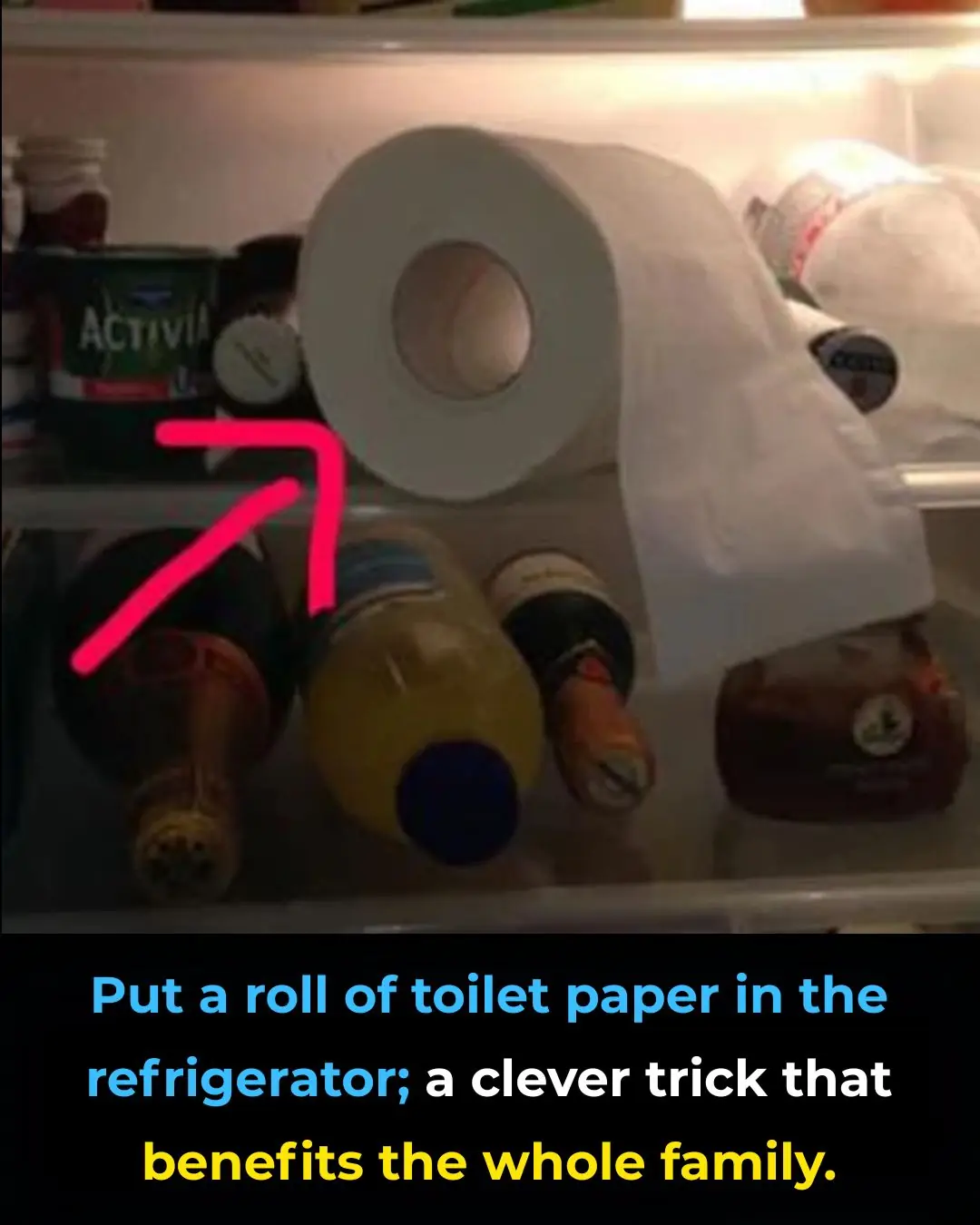
Put a Roll of Toilet Paper in the Refrigerator: A Simple Household Trick With Big Benefits
Tips 09/01/2026 22:20
Boiling eggs may seem like one of the simplest cooking tasks, yet many people struggle with cracked shells, rubbery whites, or eggs that are nearly impossible to peel. A common belief is that eggs must be started in either boiling water or cold water, but focusing only on water temperature often leads to disappointing results. In reality, perfectly boiled and easy-to-peel eggs depend on several important factors working together.
By remembering the four key points below, you can dramatically improve both the texture of your eggs and how easily the shells come off.
Very fresh eggs are actually harder to peel. As eggs age, the pH level of the egg white increases slightly, which helps it separate from the inner shell membrane. If possible, use eggs that are at least a few days old rather than freshly laid ones. This small detail can make a noticeable difference when peeling.
Instead of worrying about whether the water should be boiling or cold, focus on consistency. Many cooking experts recommend placing eggs in a pot, covering them with water, then bringing the water to a gentle boil. Once boiling begins, reduce the heat and simmer for the desired time depending on doneness.
This controlled heating helps prevent cracking and ensures even cooking.
After boiling, immediately transfer the eggs to an ice bath or very cold water. Rapid cooling causes the egg to contract slightly inside the shell, making it easier to separate from the membrane. Let the eggs cool for at least 5–10 minutes before peeling.
This step is one of the most effective ways to achieve clean, smooth egg surfaces.
Always start peeling from the wider end of the egg, where the air pocket is located. This space allows you to get under the shell and membrane more easily. Peeling under running water can also help wash away small shell fragments and reduce resistance.
Cracking eggs before they are fully cooled
Peeling from the narrow end
Overboiling, which leads to rubbery whites
Skipping the ice bath
Perfectly boiled eggs are not about choosing boiling water over cold water—it’s about understanding the process. By using slightly older eggs, controlling heat, cooling properly, and peeling strategically, you can enjoy eggs that are easy to peel with just a light touch. These small adjustments can save time, reduce frustration, and improve your cooking results every time.