The 4 hidden causes of persistent phlegm in your throat (& how to fix it naturally)
Health 13/12/2025 16:08
Potassium is an essential mineral and electrolyte that plays a critical role in maintaining normal body function. It helps regulate fluid balance, supports proper muscle contractions, ensures healthy nerve signaling, and keeps the heart beating in a steady rhythm. When potassium levels drop too low, a condition known as hypokalemia, the consequences can be serious and even life-threatening. Unfortunately, the early signs are often subtle and easy to ignore. Below are seven important warning signs that your potassium levels may be dangerously low, along with dietary strategies to restore balance.
One of the most common symptoms of low potassium is muscle weakness or cramping. Potassium is required for muscles to contract and relax properly. When levels are insufficient, muscles may feel weak, sore, or prone to painful cramps, particularly in the legs. In severe cases, even simple movements such as walking or lifting objects can become difficult.
Another warning sign is persistent fatigue. Because potassium is involved in cellular energy production, low levels can interfere with the body’s ability to generate energy efficiently. As a result, you may feel constantly tired, sluggish, or physically drained, even after adequate sleep.
Heart palpitations or irregular heartbeat are more serious indicators of potassium deficiency. Potassium helps regulate the electrical signals that control the heart’s rhythm. When levels are too low, these signals can become disrupted, leading to skipped beats, fluttering sensations, or abnormal heart rhythms that require immediate medical attention.
Digestive problems can also occur when potassium levels drop. Symptoms such as constipation, bloating, or abdominal discomfort may appear because potassium supports the smooth muscle contractions that move food through the digestive tract. Without enough potassium, digestion can slow down significantly.
Numbness or tingling sensations, especially in the hands, feet, or face, may signal low potassium. This happens because potassium is essential for proper nerve function. When levels are depleted, nerve signals may misfire, causing unusual sensory symptoms.
Another warning sign is frequent urination and excessive thirst. Low potassium can impair the kidneys’ ability to concentrate urine, leading to increased fluid loss. This can further worsen electrolyte imbalances and increase the risk of dehydration.
In severe cases, low potassium may cause muscle paralysis or breathing difficulties. The muscles responsible for breathing, including the diaphragm, rely on potassium to function properly. This is a medical emergency and requires immediate treatment.
To restore potassium levels, diet plays a crucial role. Foods rich in potassium should be consumed regularly. Bananas are well known, but they are not the only option. Sweet potatoes, avocados, spinach, beans, lentils, tomatoes, and oranges are excellent sources. Dairy products such as yogurt and milk also contain significant amounts of potassium. Including a variety of these foods in your meals can help maintain healthy levels.
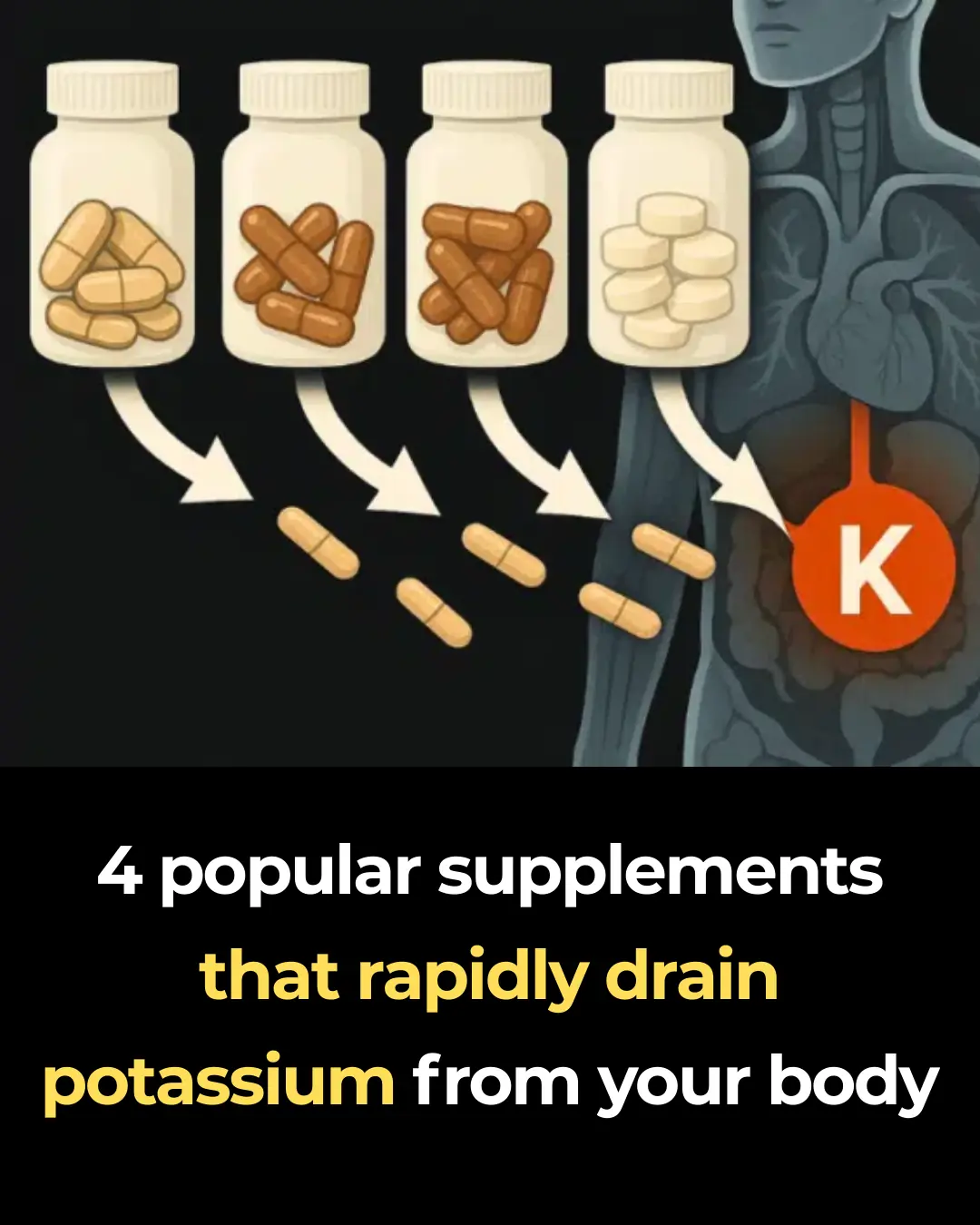
In some cases, potassium supplements may be necessary, especially if deficiency is caused by medications such as diuretics or by chronic illness. However, supplements should only be taken under medical supervision, as excessive potassium can be just as dangerous as too little.
In conclusion, dangerously low potassium levels can affect muscles, nerves, digestion, and heart health. Recognizing the warning signs early and restoring potassium through a nutrient-rich diet can protect your health and prevent serious complications.