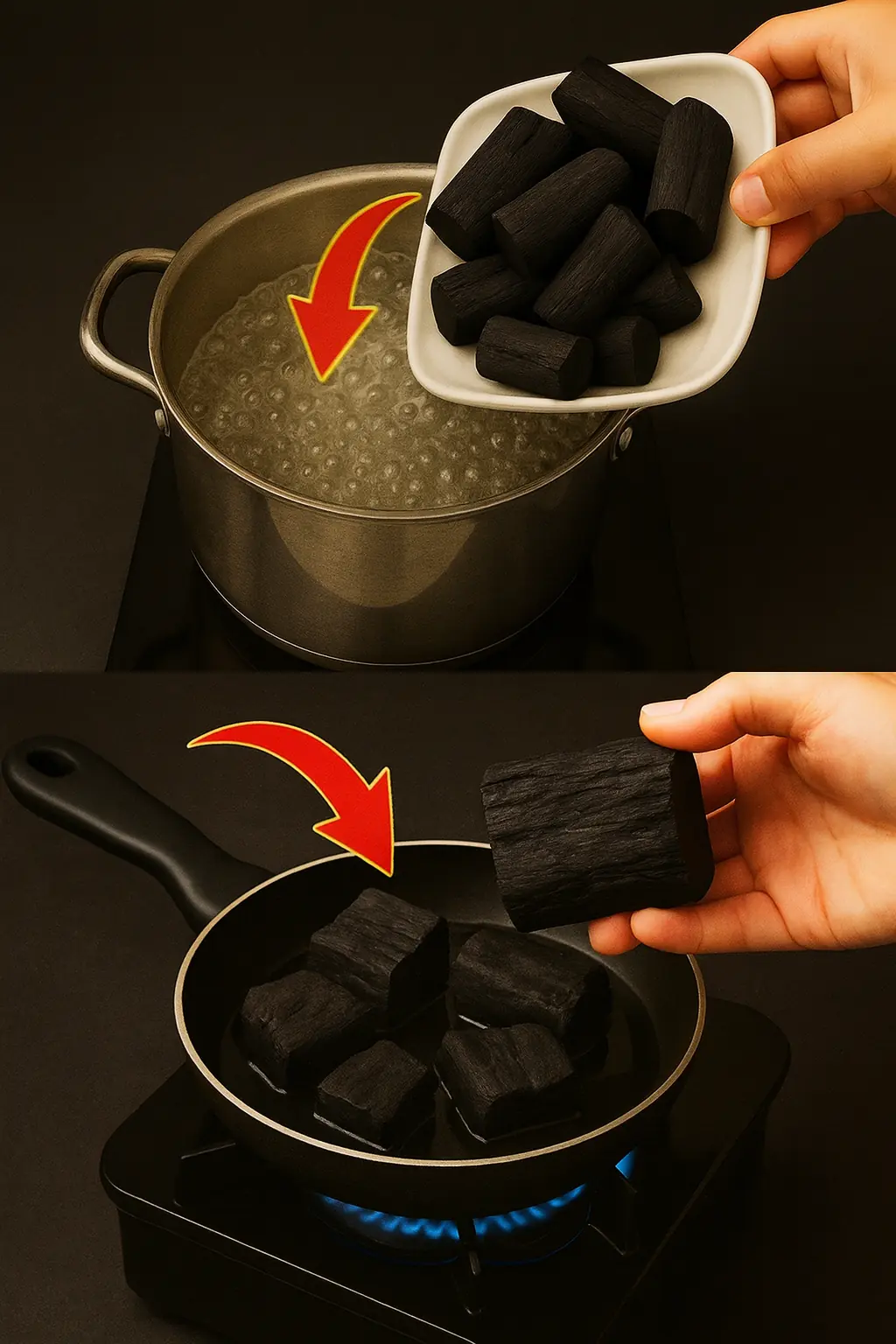
How to Make a Simple DIY Water Filter in an Emergency
Health 16/12/2025 01:54
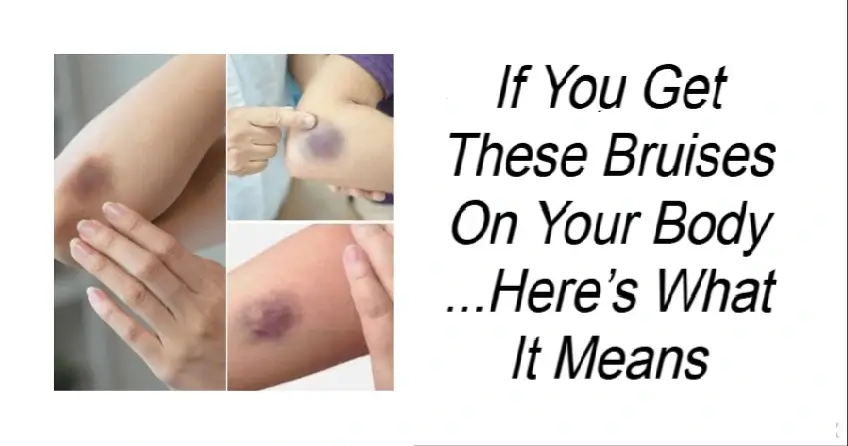
Have you ever spotted bruises on your body seemingly out of nowhere? Those dark blue or purple marks can be both unsightly and painful—and sometimes, they may signal an underlying health issue. In this article, we’ll explain why bruising happens, how to prevent it, and when it might indicate something more serious. Here’s a hint: certain vitamin deficiencies and lifestyle factors could play a role.
Medically, a bruise is called ecchymosis. It happens when tiny blood vessels under the skin break, allowing blood to leak and pool beneath the surface. Unlike cuts or scrapes where blood escapes externally, bruises stay trapped under the skin. As they heal, their color changes—starting from red or blue, then turning purple, green, and yellow before fading completely.
Most bruises appear after minor injuries, like bumping into furniture or bumping your arm while reaching for something. However, some people bruise more easily due to medical conditions, medication, or nutrient deficiencies.
While occasional bruises are usually harmless, you should consult a doctor if you notice:
Frequent bruising with no obvious cause
Bruises that take longer than two weeks to heal
Bruises in unusual or sensitive areas, such as the stomach, ears, or genitals
Bruising accompanied by fatigue, fever, or unexplained weight loss
Certain vitamins are essential for strong blood vessels and proper clotting:
Vitamin C Deficiency – Weakens blood vessels, increasing the likelihood of bruising. Boost your intake with citrus fruits, strawberries, bell peppers, tomatoes, and broccoli. Smokers are particularly at risk due to lower vitamin C levels.
Vitamin K Deficiency – Vital for blood clotting. Low levels can result in frequent bruises or excessive bleeding. Include leafy greens, broccoli, and fermented foods in your diet.
Vitamin D and B Vitamins – Deficiencies in these nutrients may also contribute to fragile blood vessels or poor healing. Blood tests can help confirm if supplementation is needed.
Some herbal supplements and vitamins can thin the blood, increasing bruise risk:
Ginkgo, ginseng, ginger, and garlic
Omega-3 fatty acids (especially in high doses)
Vitamin E
Saw palmetto
If you suspect supplements are contributing to bruising, talk to your doctor before making changes.
Medications – Blood thinners, aspirin, ibuprofen, steroids, and certain antibiotics or antidepressants can make bruising more frequent.
Aging – As we age, the skin thins and blood vessels become more fragile.
Sun Damage – Long-term sun exposure weakens the structural support of blood vessels.
Medical Conditions – Diabetes, blood disorders (like hemophilia), anemia, and blood cancers (leukemia, lymphoma) can all increase bruising.
Sports Injuries – Contact sports or strenuous exercise can cause deep tissue damage, which may appear as large or dark bruises.
RICE stands for Rest, Ice, Compression, and Elevation:
Rest – Avoid straining or putting pressure on the bruised area.
Ice – Apply an ice pack for 15–20 minutes at a time during the first 24–48 hours to reduce swelling.
Compression – Lightly wrap the area if needed to control swelling.
Elevation – Keep the bruised area raised above heart level whenever possible.
After a couple of days, switch to heat therapy using warm compresses to encourage blood flow and speed healing.
Pain Relief – Acetaminophen is safe for pain, but avoid aspirin and ibuprofen immediately after bruising as they may worsen bleeding.
Prevent Accidents – Improve home lighting, remove trip hazards, and organize cords to reduce accidental bumps.
Monitor Supplements – If supplements contribute to bruising, have your levels checked before adjusting doses.
Care for Fragile Skin – Be gentle with thin skin; even small cuts can lead to infection.
While most bruises heal on their own, seek medical advice if:
Bruises don’t fade or appear without an obvious cause
They coincide with symptoms of an underlying condition, such as diabetes or anemia
You suspect a serious health issue—early detection allows for timely treatment
Taking preventative measures, addressing deficiencies, and monitoring your overall health can reduce bruising and help catch potential problems early.