Nighttime Olfactory Enrichment and Cognitive Enhancement in Older Adults
Health 23/12/2025 00:20
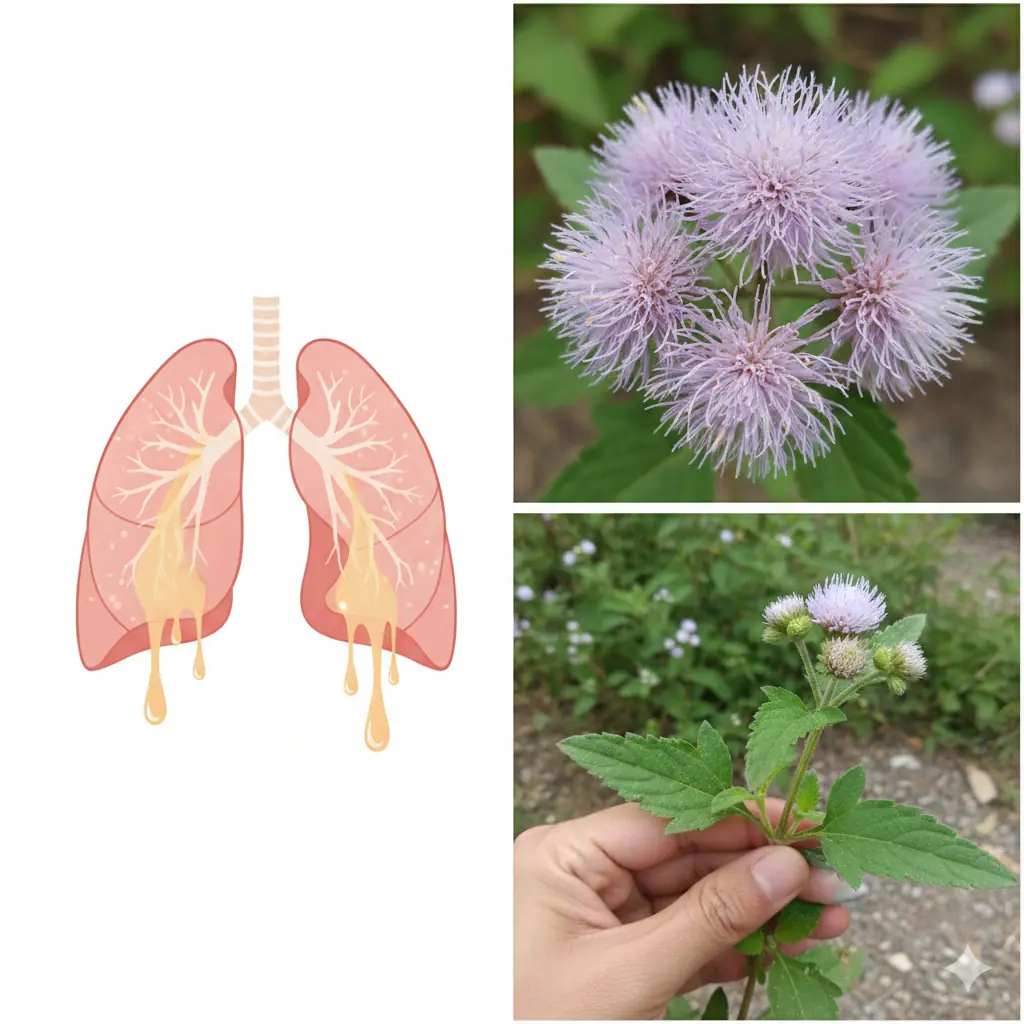
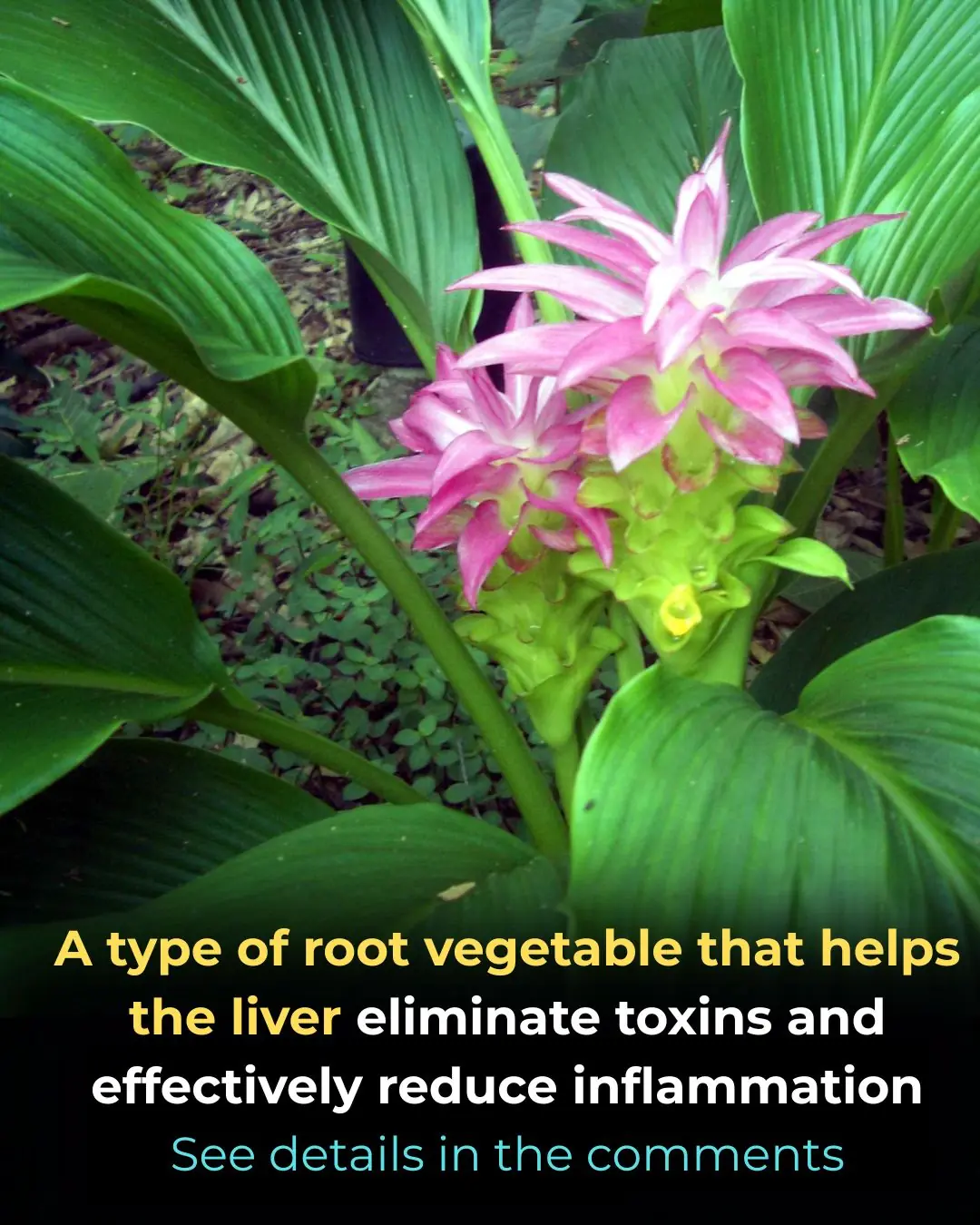
The Ageratum conyzoides flower, commonly known as Pigweed or Hawaii Ageratum, is a plant from the Asteraceae family. This plant has been traditionally used in various cultures for its medicinal properties, particularly in treating respiratory issues, wounds, and other health problems.
Ageratum conyzoides is an herbaceous plant that grows upright, typically reaching 25 to 50 cm in height. The stem is cylindrical and covered with soft hairs, either green or reddish-purple in color. The leaves are opposite, with serrated edges and a smooth surface. The plant produces clusters of small, purple or white flowers at the top of the stem or branch tips. The fruit is black and has five longitudinal ridges. This plant blooms year-round, making it a resilient species in tropical and subtropical regions worldwide. Originally native to the Americas, Ageratum conyzoides has now spread across Asia, Africa, and parts of the Pacific Islands.
In Vietnam, it can be commonly found growing naturally from mountainous regions to lowland provinces, especially along roadsides, agricultural fields, and riverbanks.
According to traditional medicine, Ageratum conyzoides has a slightly bitter taste and a cooling nature, which makes it effective for:
Clearing heat, detoxifying, and reducing swelling.
Stopping bleeding and providing relief for wounds.
The plant is also known to have anti-inflammatory, anti-edema, and anti-allergic properties.
It is effective in loosening phlegm, promoting drainage from the sinuses, and alleviating symptoms like wheezing and nasal congestion.
The plant contains fiber, which helps prevent constipation by softening stools.
For external use, crushed leaves of Ageratum conyzoides can be applied to treat soft tissue wounds.
When combined with soapberries, it is used to make a fragrant shampoo that helps clean dandruff and reduce hair fall.
Treatment for Sinusitis
The juice of the Ageratum conyzoides flower can help break down mucus and pus in the sinuses, clear congestion, and improve airflow. To prepare, wash 100g of fresh leaves, crush them, and extract the juice. Place 2-3 drops into each nostril, 2-3 times per day, until symptoms improve.
A traditional remedy for sinusitis can also include:
30g Ageratum conyzoides,
20g honeysuckle flowers,
12g burdock root,
16g licorice root.
Boil and drink the resulting liquid in 2-3 servings throughout the day.
Treatment for Bleeding Wounds
Ageratum conyzoides leaves are used for treating soft tissue wounds, cuts, and lacerations. To apply, take a handful of the plant (including stem, leaves, and flowers), wash it, and chop it up. Apply the crushed plant directly to the injured area and secure it with a bandage. Change the dressing twice a day until the wound heals.
Support for Women with Irregular Menstruation
Prepare 30-50g of fresh Ageratum conyzoides, wash it with salt water, crush it, and extract the juice. Drink it for 3-4 days to help regulate menstruation.
Relief for Pain from Swelling or Sprains
Wash and dry the Ageratum conyzoides plant. When ready to use, warm a handful of the plant over fire and place it on the painful area for relief.
Treatment for Dandruff and Itchy Scalp
Use 200g of fresh Ageratum conyzoides flowers combined with 20g of roasted soapberries. Boil them in 1 liter of water. Once cooled, use the liquid to wash your hair 3 times a week to reduce dandruff and scalp itching.
Support for Urinary Stones
A traditional Eastern remedy includes:
20g Ageratum conyzoides flowers,
16g moneywort,
12g corn silk,
20g plantain,
16g licorice root.
Boil 5 cups of water until reduced to about 2 cups. Strain and divide the liquid into 2-3 servings for the day.
While Ageratum conyzoides offers many health benefits, there are important precautions to consider:
The juice of the flower has a strong odor that may cause nausea or vomiting. It should be avoided by children and pregnant women.
Ageratum conyzoides is suitable for treating mild sinusitis but is not recommended for cases with severe blockage of the nasal sinus openings.
If allergic reactions such as rashes or itching occur after using the plant, stop using it immediately to ensure safety.
When nasal mucus transitions from liquid to thick during inflammation, combine Ageratum conyzoides with medications to reduce mucus secretion. Continuing with only Ageratum conyzoides may cause persistent nasal discharge, leading to discomfort.