Nighttime Olfactory Enrichment and Cognitive Enhancement in Older Adults
Health 23/12/2025 00:20

Purslane is a naturally growing plant that can be found in many regions and is commonly used as a food in meals. However, have you ever considered the health benefits it offers when used correctly? Let’s explore the surprising advantages of purslane for your health!
Purslane, also known as Portulaca oleracea, has various other local names such as Mã xỉ hiện, Trường thọ thái, or Mã xỉ thái. This plant is a herbaceous species, commonly found in moist soil.
It has a sour, cool taste and is not bitter. Except for the roots, all other parts of the plant are edible and can be prepared in various ways. In addition to being a simple food ingredient, purslane is also considered a valuable medicinal herb with numerous health benefits, including:
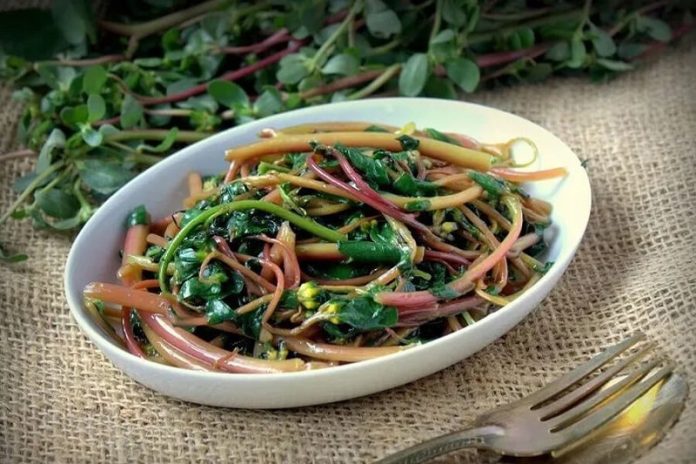
One of the top benefits of purslane is its ability to protect the nervous system and assist in the treatment of Parkinson’s disease. This is due to the plant’s compounds that help eliminate free radicals and reduce the death of nerve cells in the body.
In addition, purslane’s components help protect nerve cells from damage caused by oxygen deficiency and inhibit acetylcholinesterase, an enzyme commonly found in patients with Alzheimer's disease. As a result, purslane may support the treatment of Alzheimer's.
Thanks to the presence of omega-3, mucilage, and minerals, purslane is effective in pain relief and inflammation reduction. This is particularly beneficial for digestive discomfort or urinary tract diseases.
According to several studies, purslane can help improve the condition of people with type 2 diabetes. The plant helps reduce free fatty acids in the blood, decreases insulin resistance, lowers fasting blood sugar levels, and reduces elevated liver enzymes.
With a high content of omega-3 and potassium, purslane contributes to improving cardiovascular health. It helps regulate heart rhythms, adjusts cholesterol levels in the blood, and stabilizes blood pressure.
Purslane is known for its positive impact on the digestive and urinary systems. It can help alleviate constipation and improve intestinal health. Additionally, the plant aids in flushing excess fluid from the body, which can assist with effective weight loss.
With its cooling properties, purslane is excellent for detoxification and cooling the body. It can be consumed in various ways, such as in soups, juices, or decoctions.
Purslane is rich in calcium, which is essential for bone health. It also contains vitamin E and glutathione, which help protect cell membranes from harmful environmental factors.
Compounds such as cerebroside, polysaccharides, alkaloids, and homoisoflavonoids found in purslane play a role in eliminating cancer-causing cells and enhancing the immune system.
In addition to the benefits mentioned above, purslane has other properties, including:
Slowing down the oxidation processes in the body.
Preventing gout.
Supporting the healing of insect bites.
Fighting infections.
Assisting in asthma treatment.
Purslane can be cooked in many different ways. Some of the simplest preparation methods include:
Preparation:
Wash the purslane and let it drain.
Boil a pot of water, then add thinly sliced onions and the purslane.
Season to taste and cook for 3-5 minutes before turning off the heat.
Purslane soup has a mild, slightly sour, refreshing taste, making it perfect for hot summer days.
Preparation:
Select fresh tender tips of the purslane, wash them thoroughly, and let them drain.
Boil water, then add the purslane and cook for 5-7 minutes before removing it from the water.
You can dip the boiled purslane in fish sauce and eat it with rice. The leftover water can also be used to make soup as usual.
Preparation:
Wash and drain the purslane.
Blanch the purslane in boiling water for 2-3 minutes to reduce its bitterness.
Sauté garlic until fragrant, then add the prepared purslane and stir-fry for 2-3 minutes. Season to taste. Avoid overcooking.
Stir-fried purslane with garlic offers a rich, savory flavor similar to stir-fried water spinach.
While purslane offers many health benefits, users should keep the following in mind:
When consuming fresh purslane, it is recommended to limit the intake to 50-100 grams per day.
Avoid consuming purslane during pregnancy, breastfeeding, or if you suffer from diarrhea, dysentery, or have a history of kidney stones or are undergoing kidney stone treatment.
Do not overcook purslane to preserve its nutritional content.
Do not combine purslane with the following three foods: soft-shelled turtle, fertilized eggs, and turtle meat. Combining these foods may lead to poisoning.
The information above provides a comprehensive overview of purslane and its potential health benefits. We hope this information helps you feel more confident about including purslane in your daily diet. Be sure to follow upcoming posts for more valuable health insights!