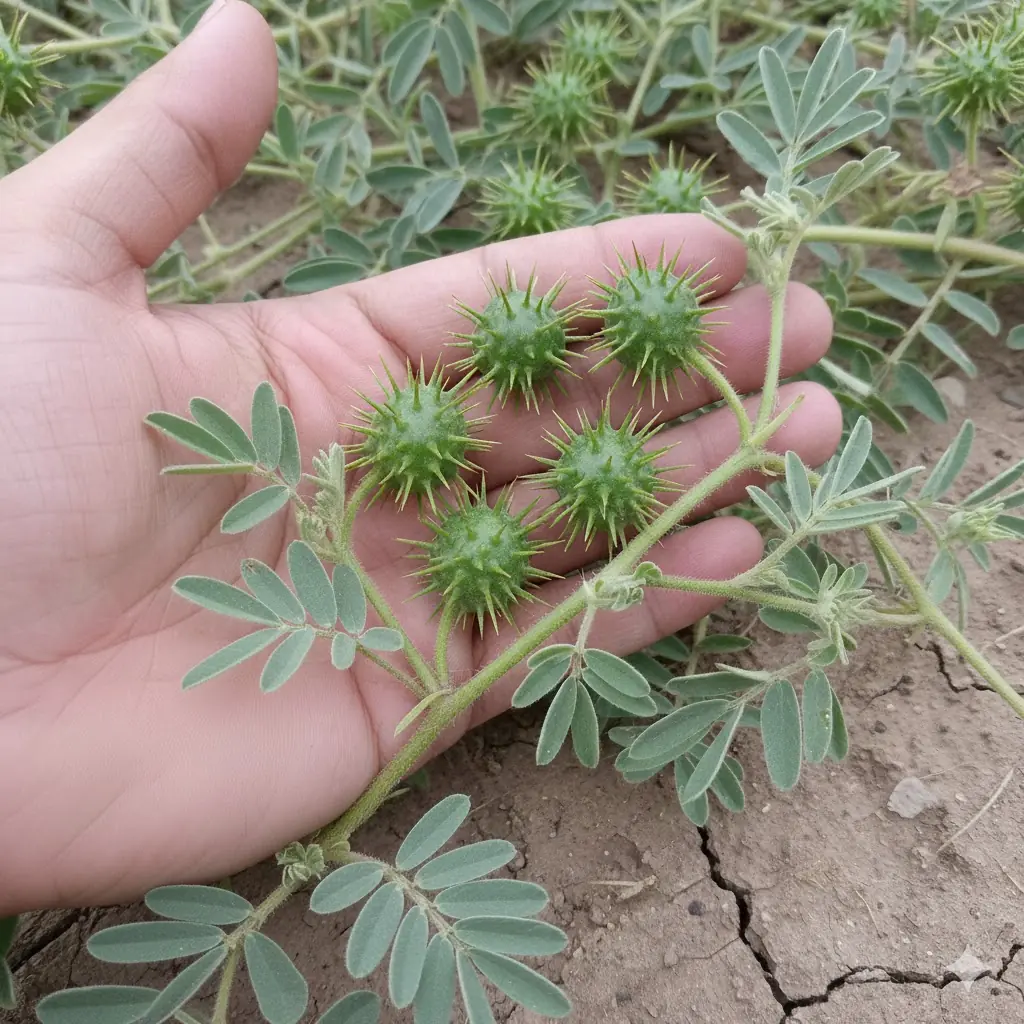
The American sweetgum tree is one of the most recognizable native trees in North America. Tall and stately, it features distinctive star-shaped leaves that turn brilliant shades of red, orange, and purple in autumn. Many people, however, associate it primarily with the hard, spiky seed balls that scatter across lawns and sidewalks each year.
Yet beyond its ornamental beauty and sometimes inconvenient seed pods, this tree carries a long history of traditional use. Indigenous communities and early settlers valued various parts of the tree — especially its fragrant resin and immature green seed pods — for practical and wellness purposes. While modern scientific research on these uses remains limited, historical records and folk traditions suggest the American sweetgum has offered more than shade and fall color for generations.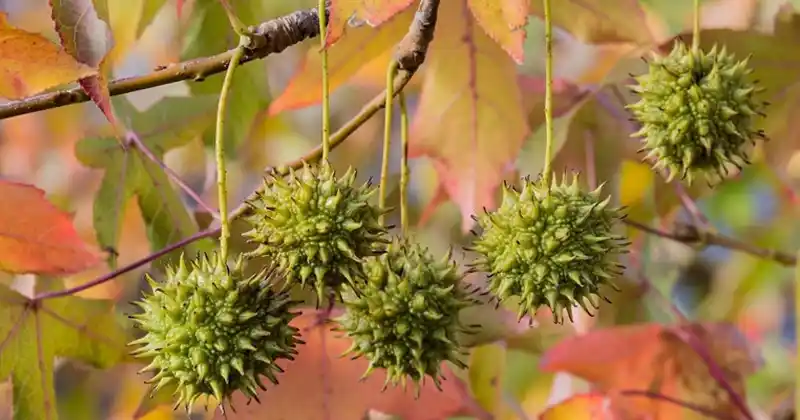
25 Traditional and Practical Benefits of the American Sweetgum Tree
Below are commonly cited traditional uses and folk benefits associated with sweetgum. These are historical or cultural practices rather than medically confirmed treatments.
Immune and Respiratory Support
-
May help the body resist viruses – Green seed pods contain compounds that have drawn attention for potential antiviral properties.
-
Supports immune function – Homemade tinctures were traditionally used during seasonal illness.
-
Eases cold and flu discomfort – Folk remedies included sweetgum preparations for cough, chills, and sore throat.
-
Helps open airways – Some believed it supported clearer breathing during congestion.
-
Loosens mucus – Traditionally used to make coughs more productive.
Skin and Wound Care
-
Cleans minor cuts and scrapes – The sticky resin was applied as a natural protective layer.
-
Soothes irritated skin – When blended with oils, resin was used for itchy or inflamed areas.
-
Relieves minor aches – Folk use included applying preparations to sore muscles.
-
Supports small wound healing – Historically used on minor skin injuries.
-
Calms itchy insect bites – Crushed green pods were sometimes applied topically.
-
Used for mild fungal spots (folk remedy) – Resin was occasionally applied to small skin areas.
Oral and Digestive Uses
-
Natural chewing gum – Hardened sap was chewed by Native Americans and early settlers.
-
May settle the stomach – Resin chewing was believed to ease mild digestive discomfort.
-
Soothes tooth discomfort (folk use) – Resin was placed near aching teeth.
-
Relieves sore throat – Bark tea was traditionally used as a gargle.
Aromatic and Emotional Benefits
-
Used as natural incense – Dried resin produces a warm, earthy fragrance when burned.
-
Creates a calming atmosphere – The scent is described as grounding and comforting.
-
May reduce stress – The aroma or mild tea was believed to promote relaxation.
-
Freshens indoor air – Burning resin was thought to purify a room.
Practical and Household Uses
-
Natural insect deterrent – Crushed green pods were believed to repel insects.
-
Craft material – Seed balls are popular in seasonal decorations.
-
Improves compost aeration – The spiky pods help airflow in compost piles.
-
Wood polish ingredient – Resin has been blended into homemade wood conditioners.
-
Mild fever support (folk remedy) – Some traditions used sweetgum to help cool the body.
-
Mild flu-support tea – A weak bark tea was sometimes consumed in small amounts.
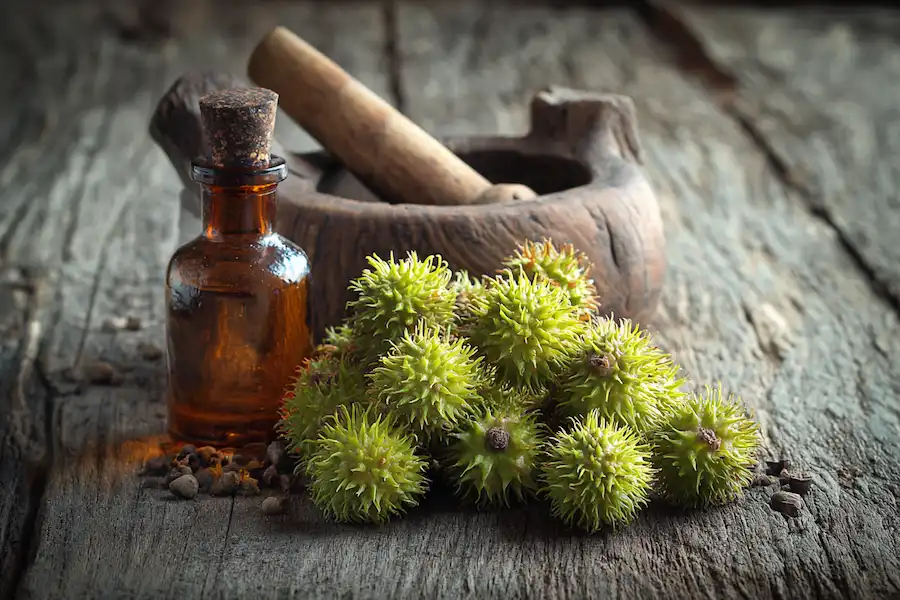
How to Use Sweetgum at Home (Traditional Methods)
These preparation methods are based on historical practices. Use caution and consult a qualified professional before trying any plant remedy.
🧪 1. Sweetgum Tincture (Traditional Cold-Season Use)
You will need:
-
Fresh green seed balls (not brown and hardened)
-
High-proof alcohol (such as vodka)
-
A clean glass jar with lid
Steps:
-
Rinse and lightly crush the green seed pods.
-
Fill a jar halfway with the crushed pods.
-
Cover completely with alcohol.
-
Seal and store in a dark place for 4–6 weeks.
-
Shake gently every few days.
-
Strain and store the liquid in a dropper bottle.
Traditional use: 10–15 drops diluted in water or tea for a few days at the onset of seasonal discomfort. Not intended for long-term daily use.
💧 2. Natural Healing Salve
You will need:
-
Dried sweetgum resin
-
Olive oil or coconut oil
-
Beeswax
Steps:
-
Warm the resin and oil gently until the resin dissolves.
-
Strain out debris.
-
Add beeswax and stir until melted.
-
Pour into small containers and allow to cool.
Traditional use: Applied to minor cuts, dry patches, or bug bites.
🔥 3. Burn as Natural Incense
You will need:
-
Dried resin
-
A charcoal disc or incense burner
Place a small piece of resin on heated charcoal and allow the smoke to rise. The aroma is warm, slightly sweet, and grounding — often used for relaxation or focus.
🦷 4. Chew the Resin
Collect clean, amber-colored hardened sap from the bark. Allow it to dry fully and chew like gum (do not swallow). Traditionally used to freshen breath and ease mild oral discomfort.
🦟 5. Natural Bug-Repelling Sachets
Mix crushed green seed pods with dried herbs such as mint or lavender. Place in small cloth bags and position near windows or closets.
🍵 6. Mild Bark Tea (Traditional Use Only)
Simmer 1 teaspoon of young branch bark in 1 cup of water for 10–15 minutes. Cool and strain.
Historically consumed in small amounts for seasonal discomfort. Should only be used cautiously and occasionally.
Important Safety Notes
-
These remedies are based on traditional knowledge and have not been fully validated by modern clinical research.
-
Avoid use during pregnancy or breastfeeding.
-
Do not consume mature brown seed balls.
-
Always test topical preparations on a small patch of skin first.
-
Consult a healthcare professional before internal use.
Disclaimer
This article is provided for educational and informational purposes only and does not constitute medical advice. Always consult a qualified healthcare professional before using any plant-based preparation, particularly if you are pregnant, nursing, taking medication, or managing a medical condition. The author and publisher are not responsible for any adverse reactions or consequences resulting from the use of the information presented here.
The American sweetgum tree may appear to be just another ornamental yard tree with troublesome seed pods, but its history tells a deeper story. From aromatic resin to traditional tinctures and salves, this tree has played a quiet yet meaningful role in folk practices for generations. With proper knowledge and caution, it can still offer practical and aromatic value today.