Orégano Orejón: Exploring This Unique Herb’s Potential Role in Supporting Eye Wellness
Garden Healthy 22/02/2026 00:53
Wormwood (Artemisia absinthium) is among the oldest medicinal herbs documented in traditional European and Middle Eastern herbal systems. Recognized for its intense bitterness, silvery-green leaves, and aromatic essential oils, it has historically been valued for digestive complaints and parasite-related concerns.
Although modern marketing sometimes exaggerates its powers, wormwood still maintains a respected place in herbal practice when used responsibly and in appropriate amounts. Below is a practical, evidence-informed overview of its supported benefits, traditional preparations, and important safety considerations.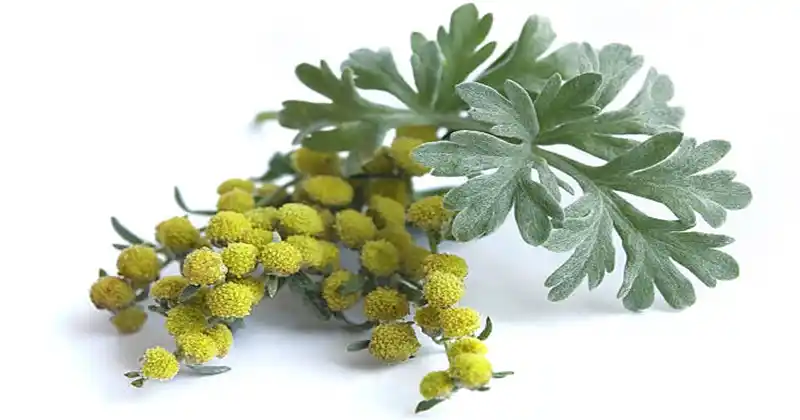
One of wormwood’s most established uses is as a digestive bitter. Bitter herbs naturally stimulate saliva, gastric acid, and digestive enzymes, preparing the body for food. Traditionally, wormwood was used to help relieve:
Sluggish digestion
Bloating and gas
Loss of appetite
Mild indigestion
Post-meal heaviness
Taken before meals, small amounts may help trigger the body’s natural digestive response. Its intense bitterness is not a flaw — it is part of how the herb works physiologically.
Wormwood earned its common name from its long-standing use against intestinal worms. Laboratory and animal research suggests that certain compounds in wormwood may interfere with the survival of specific parasites, particularly when combined with other antiparasitic herbs.
However, it is important to note that wormwood should not replace medical treatment for confirmed parasitic infections. It remains respected in herbal traditions, but modern diagnosis and treatment are essential for safety and effectiveness.
Extracts of wormwood have demonstrated anti-inflammatory activity in laboratory settings. A few small human studies — particularly in individuals with inflammatory digestive conditions — suggest that wormwood preparations may reduce discomfort and improve general well-being.
While these findings are promising, the research remains limited and further large-scale clinical studies are needed.
In laboratory tests, wormwood compounds show antimicrobial effects against certain bacteria and fungi. It also contains antioxidant constituents that help neutralize oxidative stress in controlled conditions.
Although lab results do not automatically translate into strong internal effects in humans, these properties help explain wormwood’s historical role in tonics, bitters, and cleansing herbal preparations.
Because wormwood is potent, traditional preparations focus on small, controlled amounts.
Primarily used for digestive stimulation.
How to prepare:
Use ½ teaspoon dried wormwood leaves per cup of hot water
Steep no longer than 5 minutes
Drink before meals
The taste is extremely bitter — this is expected and part of its traditional function. Longer steeping increases bitterness and strength unnecessarily.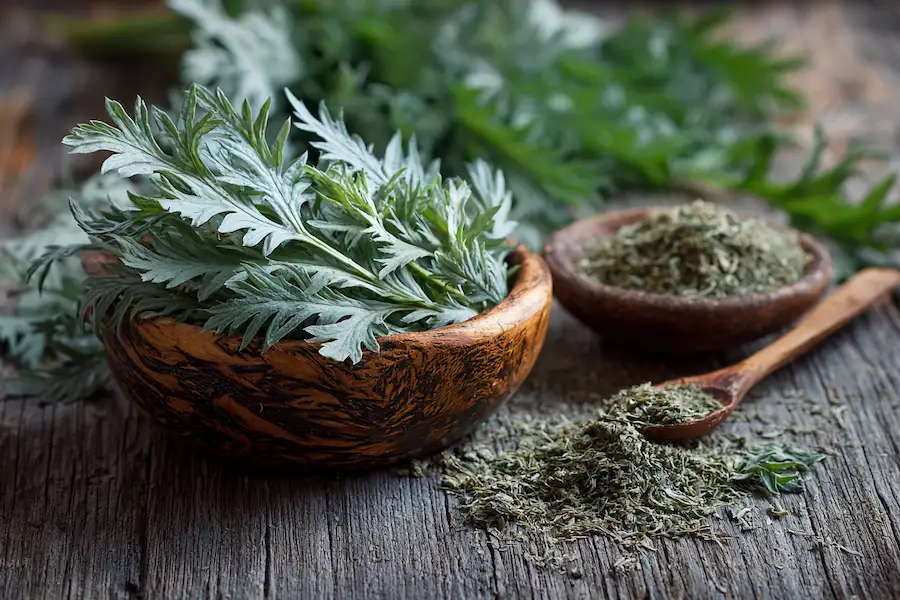
Tinctures allow more precise dosing and are commonly preferred today.
Typical use:
10–20 drops before meals (depending on product strength)
Modern herbal products often regulate thujone content to improve safety.
Herbalists frequently blend wormwood with gentian, fennel, orange peel, or other aromatic herbs. These combinations are used for:
Bloating
Slow digestion
Post-meal discomfort
Occasional nausea related to poor digestion
In these blends, wormwood is used sparingly because of its potency.
Historically, dried wormwood was placed:
In clothing drawers
Near stored grains
Around living areas
Its strong aroma may help repel certain insects. This remains one of the safest traditional uses since it involves no internal consumption.
Wormwood contains thujone, a compound that can be toxic in high amounts or with prolonged use. Responsible use is essential.
Are pregnant or breastfeeding
Have epilepsy or seizure disorders
Take medications that affect the nervous system
Have stomach ulcers or severe digestive irritation
Have liver disease
Traditional herbal practice recommends:
No more than 2 consecutive weeks of use
Followed by at least 2 weeks off
Long-term or high-dose use may stress the liver or nervous system.
Never ingest wormwood essential oil.
It is highly concentrated and unsafe for internal use.
Even though wormwood has a long history, “natural” does not automatically mean safe. Dosage, preparation method, and individual health status all matter. It is also wise to choose standardized, reputable products when purchasing tinctures or extracts to ensure regulated thujone levels.
If digestive discomfort persists or parasitic infection is suspected, professional medical evaluation is essential.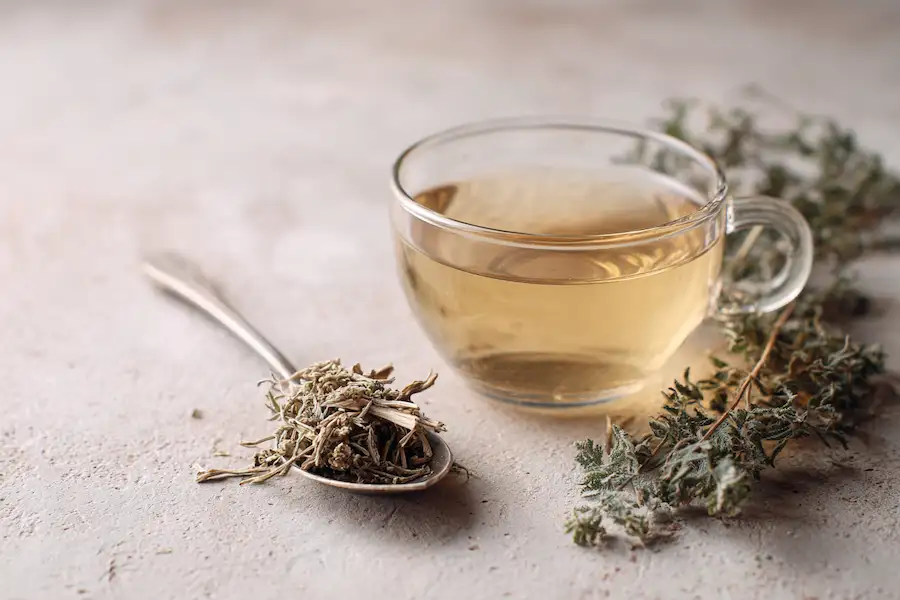
This article is for informational and educational purposes only. Wormwood is a strong herb with potential risks. It should not replace professional medical advice, diagnosis, or treatment. Always consult a qualified healthcare provider before using wormwood, especially if you have medical conditions or take medications.