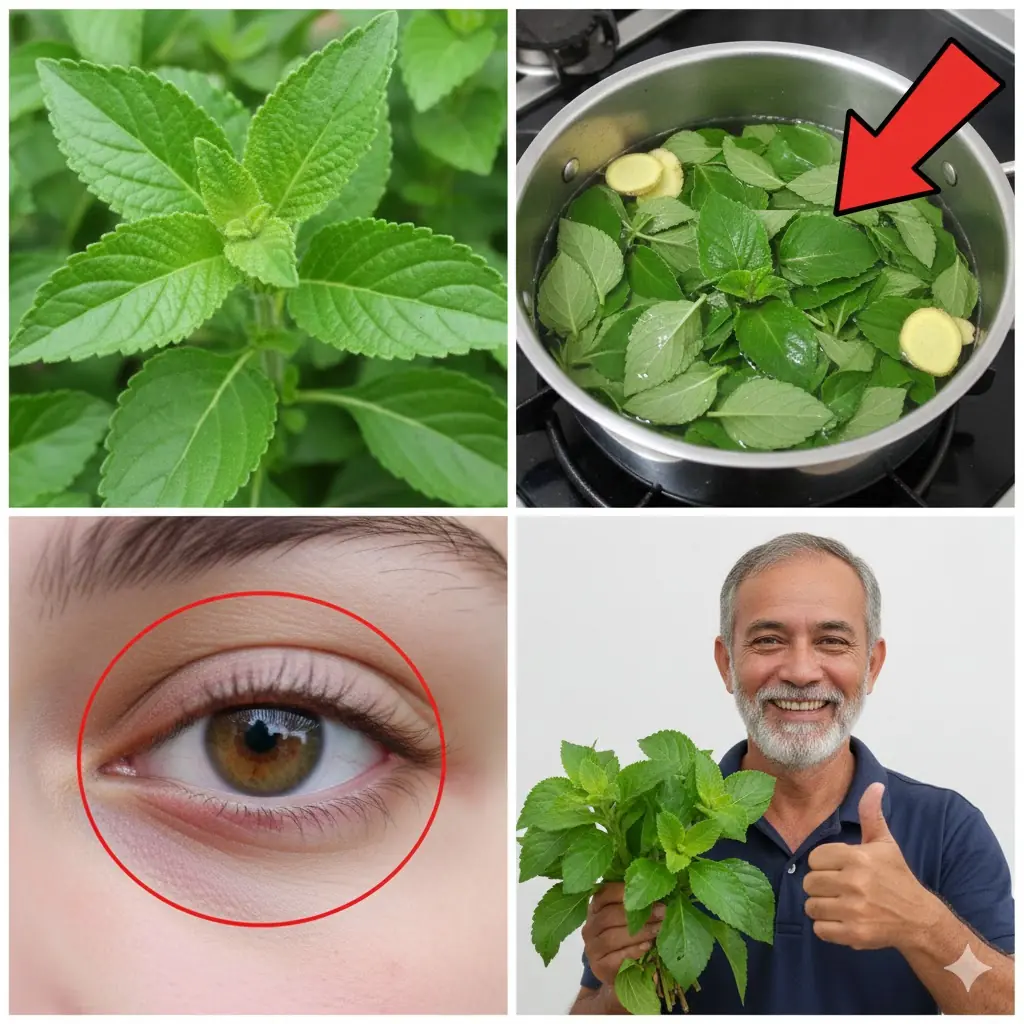
Orégano Orejón: Exploring This Unique Herb’s Potential Role in Supporting Eye Wellness
Garden Healthy 22/02/2026 00:53
Crataegus, commonly known as hawthorn, is a small thorny tree or shrub that has earned a respected place in both traditional European and Chinese herbal medicine. With its clusters of bright red berries, delicate white or pink blossoms, and deeply lobed green leaves, hawthorn may appear modest in the landscape. Yet behind this humble appearance lies one of the most valued botanical allies for cardiovascular wellness.
For centuries, healers have turned to hawthorn as a strengthening tonic for the heart. Today, modern herbal practice continues to recognize its potential to support heart function, balance cholesterol levels, enhance circulation, and provide a rich supply of protective antioxidants.
In this expanded guide, we explore hawthorn’s key benefits, how it works within the body, and the safest, most effective ways to incorporate it into your routine.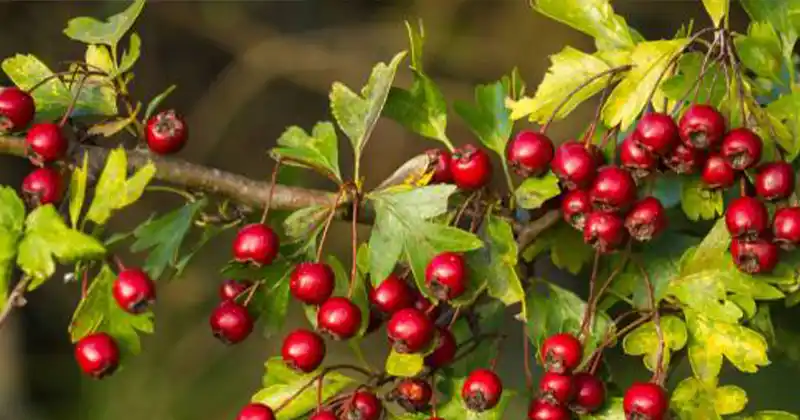
Hawthorn is best known as a cardiac tonic. It may help improve the strength and efficiency of heart contractions, allowing the heart to pump blood more effectively. This can be especially helpful for individuals with mild forms of heart weakness, as it supports better oxygen delivery to tissues throughout the body.
Research suggests that hawthorn may help lower elevated blood pressure, particularly systolic pressure. Its natural vasodilating properties help relax and widen blood vessels, reducing resistance and promoting smoother blood flow. Over time, this gentle effect may contribute to improved vascular balance.
By improving both the strength of the heartbeat and the elasticity of blood vessels, hawthorn encourages more efficient circulation. Better circulation means improved transport of oxygen and nutrients to organs, muscles, and extremities.
Although not primarily a cholesterol-lowering herb, hawthorn may help reduce LDL (“bad”) cholesterol and triglycerides while supporting healthier HDL (“good”) cholesterol levels. When combined with balanced nutrition and lifestyle habits, it can contribute to overall lipid management.
Hawthorn berries, leaves, and flowers contain powerful plant compounds such as flavonoids and oligomeric proanthocyanidins (OPCs). These compounds help protect blood vessel walls, improve elasticity, and reduce oxidative damage that can contribute to plaque formation.
Chronic inflammation places strain on the cardiovascular system. Hawthorn’s anti-inflammatory properties may help ease this burden, supporting long-term heart and vascular health.
Oxidative stress is a key factor in aging and cardiovascular decline. Hawthorn is rich in antioxidants that help neutralize free radicals, protecting heart tissue and blood vessels from damage over time.
Traditionally, hawthorn has been used to soothe occasional chest tightness and mild irregular heartbeat. While it should never replace prescribed medical treatment for serious heart conditions, it may provide supportive care in milder cases under professional guidance.
In European folk traditions, hawthorn symbolized protection and emotional healing. Herbalists historically used it as a gentle remedy for grief, heartbreak, and emotional stress—conditions believed to “weaken the heart.” This symbolic connection continues in holistic practices today.
Some individuals report that hawthorn has a mild calming effect on the nervous system. It may be helpful for stress-related symptoms, especially when anxiety is accompanied by a racing heart or mild tension. This calming quality can also support more restful sleep.
Hawthorn can be prepared in several forms, depending on your needs and preferences.
Add 1–2 teaspoons of dried hawthorn leaves, flowers, or lightly crushed berries to one cup of boiling water.
Steep for 10–15 minutes.
Drink up to 2–3 cups daily.
This gentle preparation is ideal for long-term cardiovascular support and gradual strengthening.
Typical dose: 30–40 drops (about 1–2 mL), up to three times daily.
Can be taken under the tongue or diluted in water.
Tinctures are often preferred for quicker absorption and may be useful for individuals experiencing palpitations or stress-related symptoms.
Common standardized doses range from 250–600 mg per capsule (standardized to 2–3% flavonoids).
Take 1–2 capsules up to three times daily, depending on product instructions.
Capsules provide convenience and consistent dosing.
Mix approximately 1 teaspoon daily into smoothies, yogurt, oatmeal, or herbal blends.
Dosage may vary depending on the preparation and source.
Powdered berries offer a whole-plant option for those who prefer food-based supplementation.
Hawthorn is often combined with complementary nutrients and herbs such as garlic, CoQ10, or magnesium to enhance cardiovascular support. These combinations may provide synergistic benefits, especially for comprehensive heart wellness programs.
Hawthorn is generally considered safe when used consistently and in appropriate amounts. However, important precautions include:
It may interact with heart medications, including digitalis, beta-blockers, and blood pressure medications.
Always consult a healthcare provider if you are taking prescription medications for heart conditions.
Pregnant or breastfeeding individuals should avoid hawthorn unless guided by a qualified professional.
Effects may take several weeks of consistent use to become noticeable, as hawthorn works gradually rather than immediately.
Far more than a decorative hedge plant, hawthorn stands as one of nature’s most respected heart tonics. With centuries of traditional use and growing scientific interest, it continues to offer gentle yet meaningful support for cardiovascular strength, circulation, and overall vitality.
Whether you are seeking to maintain heart health, support healthy cholesterol levels, or nourish your circulatory system naturally, hawthorn may serve as a valuable addition to a balanced wellness approach.
Disclaimer: This article is for informational purposes only and does not replace professional medical advice. Always consult a qualified healthcare provider before beginning any new herbal supplement, especially if you have a medical condition or take prescription medications.