The Desert Survivor That Preserves Cells, Fights Oxidation, and Commands Respect
Garden Healthy 18/02/2026 22:55

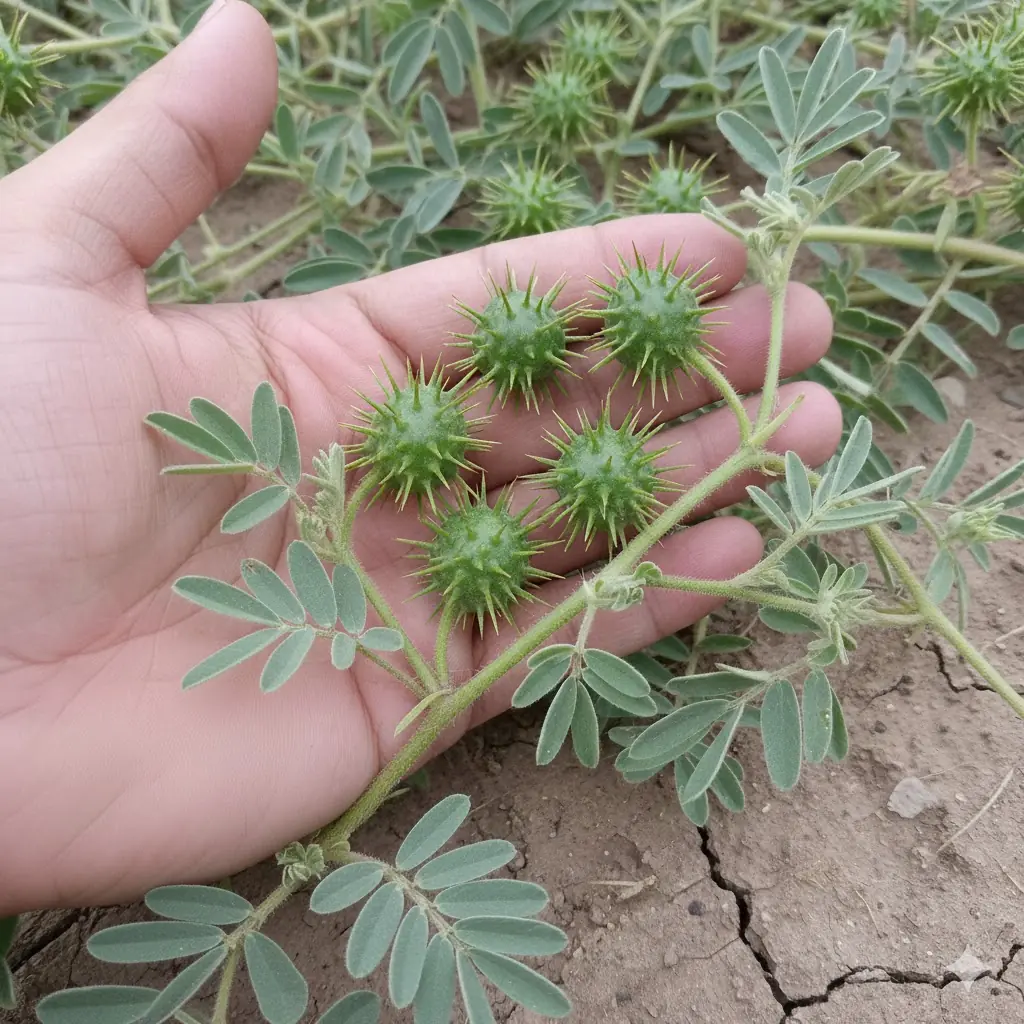
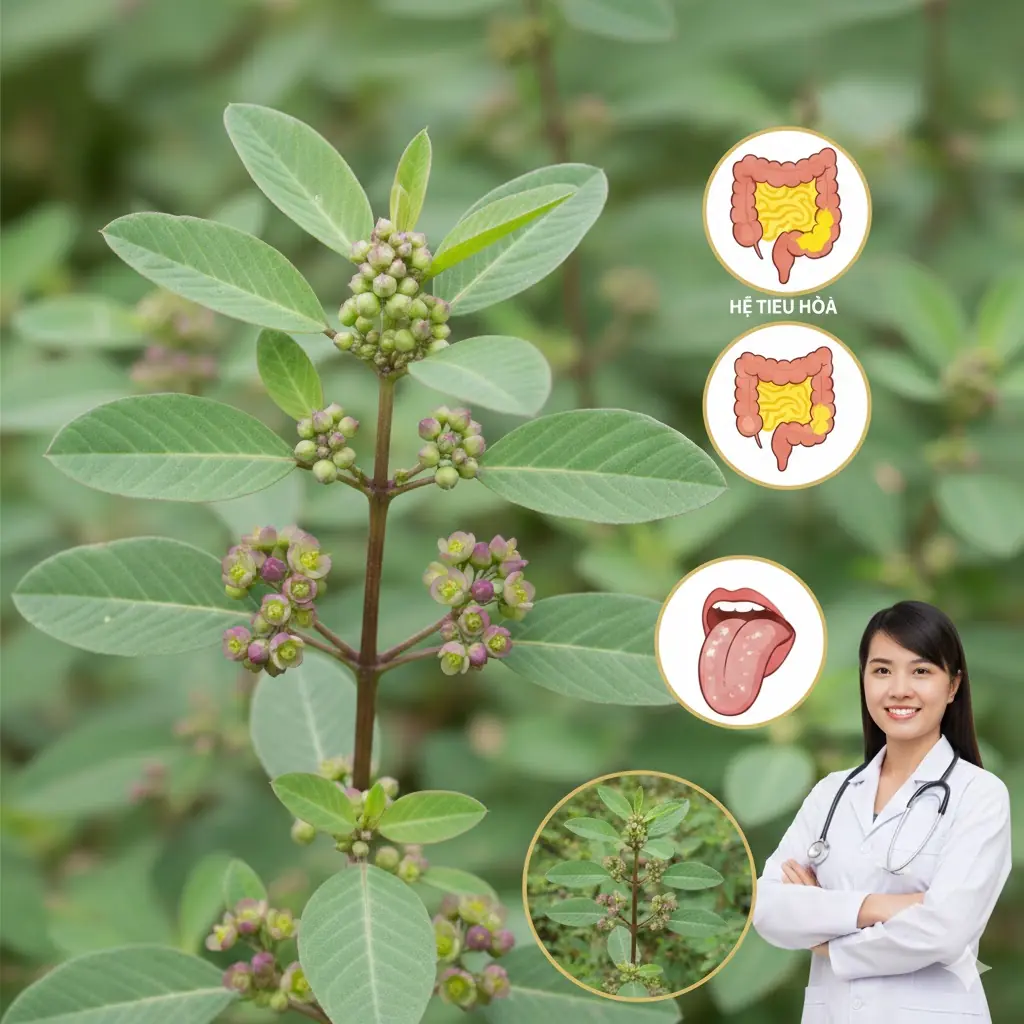
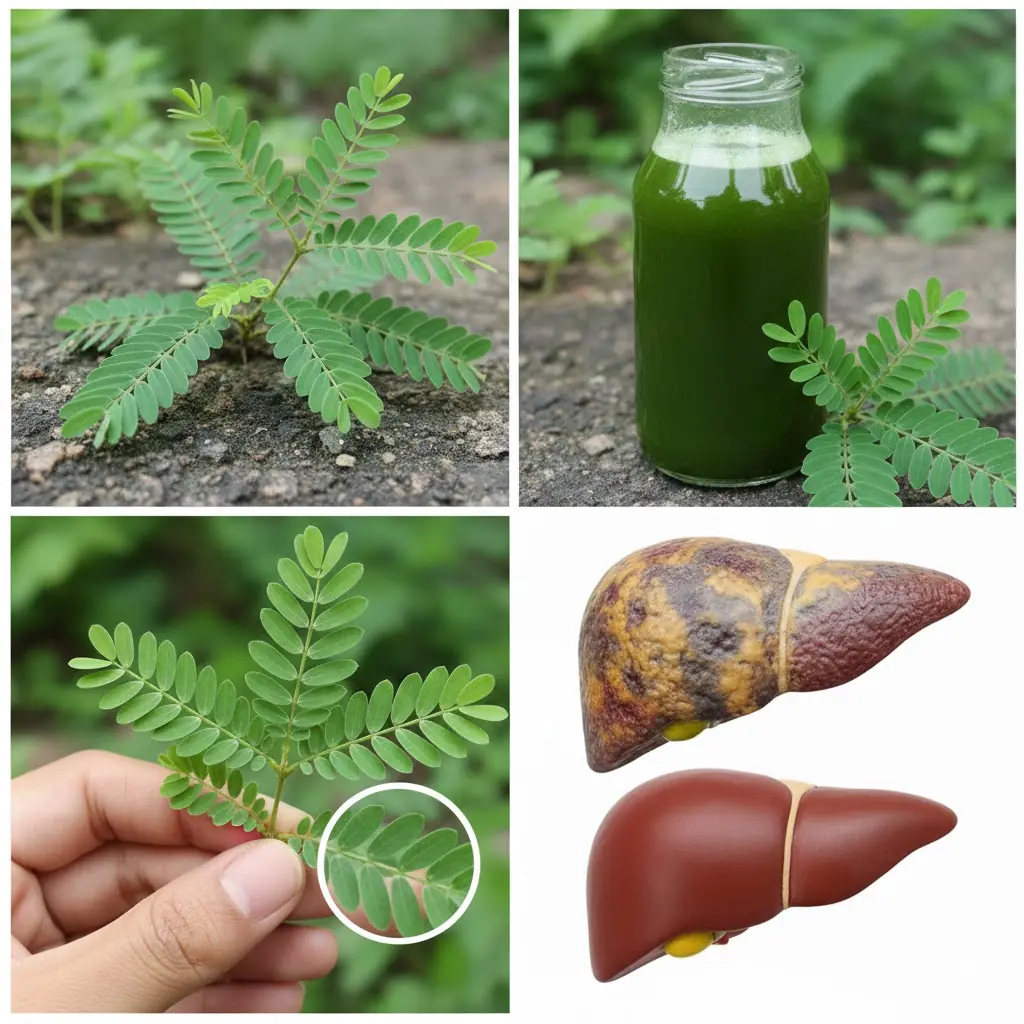
Euphorbia hirta, commonly referred to as the asthma plant, is a small herbaceous species widely used in traditional healing systems across Asia, Africa, and parts of South America. For generations, it has been valued as a multipurpose medicinal herb, particularly for respiratory, digestive, and inflammatory conditions. Although modern research is still developing, the plant continues to attract scientific interest due to its rich phytochemical profile and broad range of traditional applications.
Below is an expanded and refined overview of its traditional uses, preparation methods, and emerging scientific perspectives.
One of the most recognized traditional uses of Euphorbia hirta is for respiratory ailments such as asthma, bronchitis, persistent cough, and mild upper respiratory congestion. In many herbal traditions, the leaves are brewed into a tea or decoction believed to help relax bronchial muscles and ease breathing.
Traditional healers describe the plant as having bronchodilatory and expectorant properties, meaning it may help open airways while also assisting in the removal of excess mucus. This dual action is why it earned the name “asthma plant.” Some preliminary laboratory studies suggest that certain plant compounds may influence smooth muscle relaxation, but more clinical research is required to confirm these effects in humans.
In digestive care, Euphorbia hirta has long been used as a natural remedy for diarrhea, dysentery, stomach cramps, and mild intestinal inflammation. A leaf decoction is commonly prepared and consumed to calm the digestive tract.
Traditional practitioners attribute antidiarrheal effects to the plant’s potential antimicrobial and anti-spasmodic properties. By helping reduce intestinal spasms and limiting the growth of harmful microorganisms, it may support recovery from minor gastrointestinal disturbances. It has also been mentioned in folk medicine as supportive for symptoms resembling irritable bowel syndrome (IBS), particularly when cramping is present.
Topically, Euphorbia hirta is used in the form of crushed leaf pastes, poultices, or herbal washes. It has traditionally been applied to:
Warts
Boils
Minor rashes
Small wounds
Insect bites
Its reputation as a skin remedy comes from its believed antimicrobial and anti-inflammatory qualities. In some communities, it is also used to help dry out minor skin eruptions. While laboratory tests indicate possible antibacterial activity, proper hygiene and medical care remain essential for treating skin infections or wounds.
The plant is frequently described in ethnobotanical records as having broad-spectrum antimicrobial activity. Extracts have shown activity against certain bacteria and fungi in experimental settings. This has led to interest in its potential as a natural complementary remedy.
However, it is important to note that laboratory results do not automatically translate to clinical effectiveness. Human studies remain limited, and standardized dosages have not yet been firmly established.
Traditional medicine systems also use Euphorbia hirta for pain management and inflammation. It has been consumed as tea or applied externally as a poultice for:
Joint discomfort
Muscle soreness
Mild headaches
Inflammatory conditions such as arthritis
The plant contains flavonoids and other phytochemicals that may contribute to anti-inflammatory activity. While promising, these effects require further clinical validation before firm medical recommendations can be made.
In various traditional cultures, Euphorbia hirta tea has been used to help reduce fever. It is considered by some practitioners to have a mild cooling effect on the body. During febrile illnesses, a warm infusion of the leaves may be consumed to promote comfort and hydration.
Although traditional use suggests potential benefits, scientific confirmation of its fever-reducing capacity remains limited. Fever can be a sign of serious infection, so professional medical evaluation is always advised when symptoms persist or worsen.
Another traditional application involves urinary tract concerns, including mild urinary infections and bladder irritation. The plant is believed to have mild diuretic properties, potentially encouraging increased urine flow and helping flush the urinary system.
A leaf decoction is typically used for this purpose. However, urinary tract infections can become serious if untreated, and professional medical care should not be replaced with herbal remedies alone.
Growing scientific interest in antioxidants has led researchers to examine Euphorbia hirta more closely. Early studies suggest that it contains antioxidant compounds such as flavonoids and phenolic constituents. These compounds may help neutralize free radicals, which are associated with oxidative stress and certain chronic conditions.
While this antioxidant potential is promising, further human research is necessary to determine practical therapeutic applications.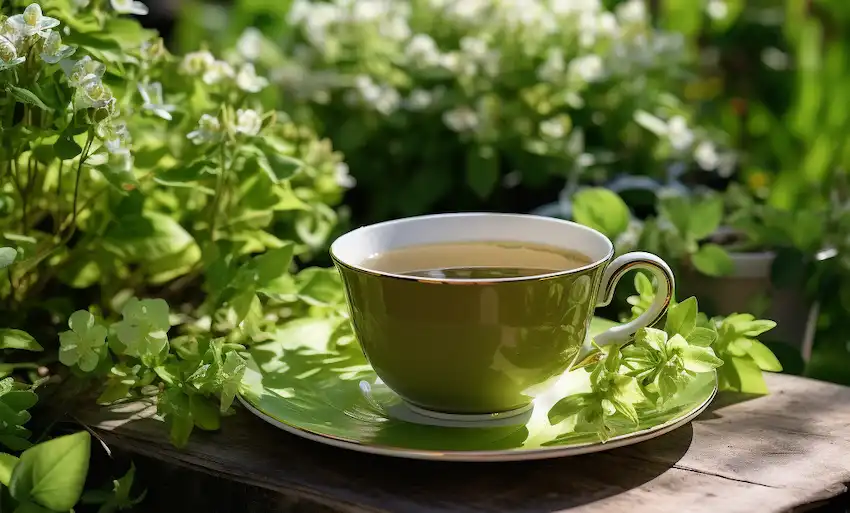
The most common preparation is a tea or decoction:
Fresh or dried leaves are washed thoroughly.
The leaves are boiled in water for several minutes.
The liquid is strained and consumed warm.
For external use, the leaves may be crushed into a paste and applied directly to the affected area. Preparation methods and dosages vary widely depending on cultural tradition and intended use. Because potency can differ based on plant maturity, growing conditions, and preparation technique, standardization remains a challenge.
Despite its long-standing traditional use, caution is essential. Some species within the Euphorbia genus contain latex-like sap that may cause skin irritation. Consuming large amounts of the plant may lead to digestive upset or other adverse effects.
Important precautions include:
Avoid use during pregnancy or breastfeeding without medical supervision
Consult a healthcare professional if taking prescription medications
Do not use as a replacement for prescribed treatments
Discontinue use if allergic reactions or side effects occur
Scientific research on long-term safety is still limited, so responsible and informed use is critical.
Euphorbia hirta stands out as a versatile medicinal herb deeply rooted in traditional healing systems. From respiratory relief and digestive support to topical skin care and potential antioxidant benefits, its wide range of applications reflects centuries of empirical use.
However, while traditional knowledge provides valuable insight, modern scientific validation remains ongoing. As interest in plant-based medicine grows, continued research will help clarify its true therapeutic potential and safety profile.
As with any herbal remedy, informed use under professional guidance is the most responsible approach to incorporating this fascinating plant into a wellness routine.