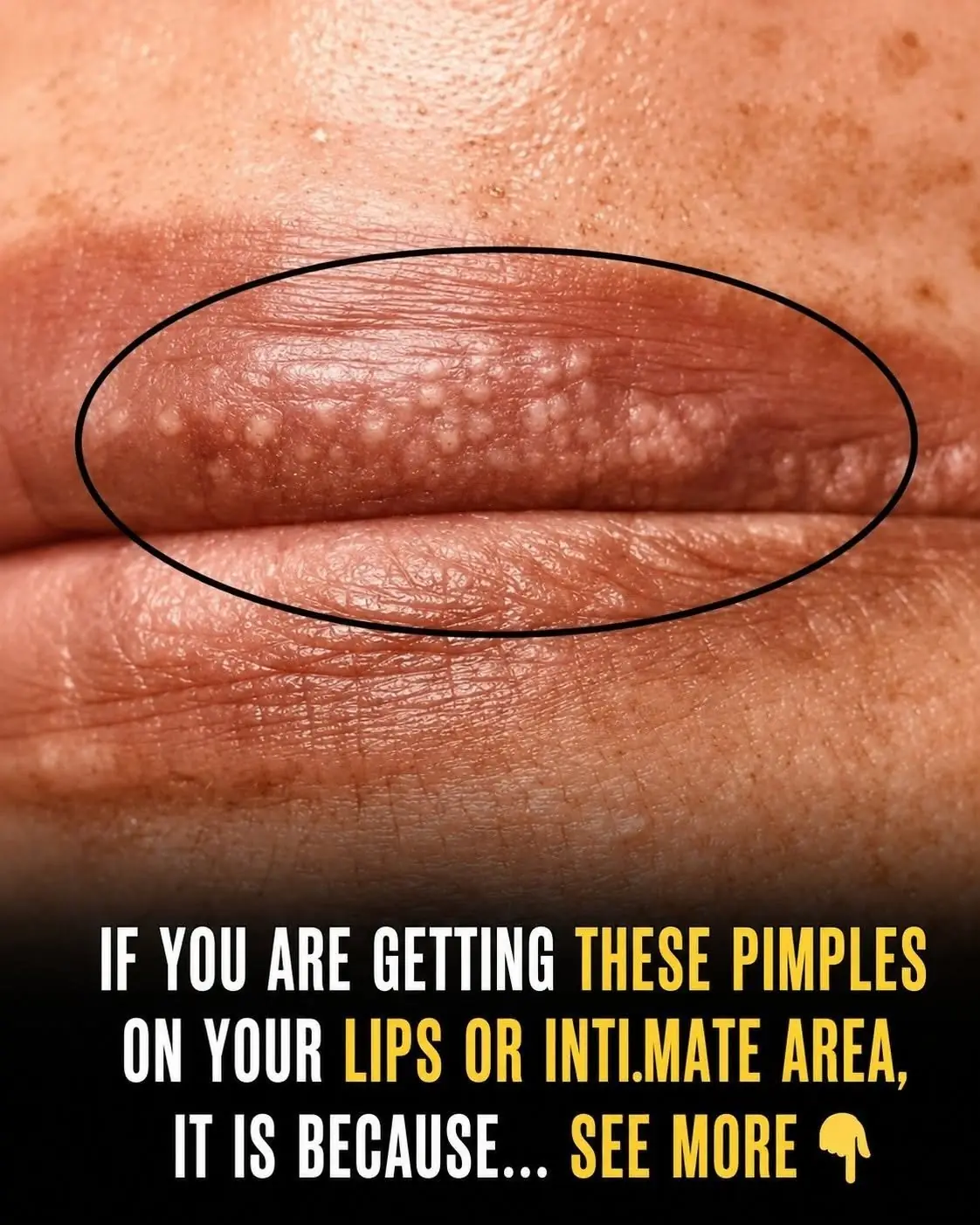
If You Are Getting White Pimples on Your Lips or Intimate Area, Here's What They Could Mean
Health 01/08/2026 00:06

For many people, taking a hot shower is the ultimate way to relax after a long, stressful day. The sensation of warm water flowing over your body can ease muscle tension, calm the mind, and create a comforting daily ritual.
But while hot showers feel incredibly soothing, medical experts warn that frequent exposure to very hot water may have hidden effects on your skin, hair, and even your overall health.
Understanding these effects doesn’t mean you have to give up your favorite routine—it simply helps you make smarter choices to protect your body.
Hot showers are strongly linked to relaxation and emotional comfort.
The warmth helps loosen tight muscles, improve circulation temporarily, and reduce feelings of stress. For many people, especially those living in colder environments, a hot shower feels like a small but powerful luxury.
It’s also part of a mental reset—helping you transition from a busy day into a more restful state.
However, what feels good in the moment isn’t always what your body needs long-term.
Dermatologists often warn that very hot water can damage the skin’s natural barrier.
Your skin produces natural oils (sebum) that protect against dryness, bacteria, and environmental irritants. When exposed to high temperatures, these oils are stripped away.
As a result, your skin may become:
Dry and flaky
Irritated or itchy
More sensitive to products and pollution
Over time, this can weaken the skin barrier, making it harder for your skin to retain moisture and defend itself.
For people with sensitive skin, this effect can be even more noticeable.
If you have existing skin issues, hot showers can make them worse.
Conditions such as eczema or psoriasis already involve a weakened skin barrier. Hot water can intensify symptoms like:
Redness
Itching
Inflammation
Cracking or peeling skin
The heat increases blood flow to the skin, which may sound beneficial—but in these cases, it can actually trigger flare-ups.
Switching to gentler water temperatures can significantly reduce these reactions.
Hot water doesn’t just affect your skin—it also impacts your cardiovascular system.
When exposed to heat, your blood vessels expand (a process called vasodilation). This can cause a temporary drop in blood pressure.
For some people, this may lead to:
Dizziness
Lightheadedness
Feeling weak after stepping out of the shower
While this effect is usually mild, it can be more noticeable in older adults or individuals with underlying heart or blood pressure conditions.
Hot water can also strip away the natural oils that keep your hair healthy.
Without these protective oils, your hair may become:
Dry and rough
Brittle and prone to breakage
Dull with increased split ends
Over time, frequent hot showers can make hair harder to manage and reduce its natural shine.
The good news? You don’t have to give up showers—or even warmth—to protect your body.
A few simple adjustments can make a big difference:
Warm (not hot) water is much gentler on your skin and helps preserve its natural oils.
Aim for 5–10 minutes to prevent excessive moisture loss.
Apply lotion or cream right after drying off to lock in hydration and repair the skin barrier.
A brief cool rinse can help tighten pores, improve circulation, and leave your hair looking shinier.
Hot showers may feel relaxing, but too much heat can gradually damage your skin and hair without you realizing it.
By slightly lowering the temperature, shortening your shower time, and taking care of your skin afterward, you can enjoy the same relaxing experience—without the long-term downsides.
Sometimes, the smallest habits have the biggest impact. And in this case, a simple adjustment to your shower routine could make a lasting difference for your skin’s health.