Is It Safe to Eat Eggs Left Overnight? The Hidden Dangers You Need to Know
Health 18/03/2026 17:23

Your skin isn’t just your body’s largest organ—it’s also one of its most honest messengers.
Long before serious health problems appear, your skin often sends quiet, early signals that something isn’t right.
Your skin whispers before your body shouts.
The question is: are you paying attention?
Let’s break down what different skin changes could be trying to tell you—and when it’s time to take them seriously.
Not every spot or patch is a warning sign.
Freckles, moles, dryness, and the occasional breakout are completely normal.
👉 Pay attention when:
A change is new
It doesn’t go away
It appears with other symptoms (fatigue, pain, weight loss, etc.)
Your body rarely sends just one signal—patterns matter.
What it looks like:
A yellow tint on the skin or in the whites of the eyes. Often subtle at first.
What it could mean:
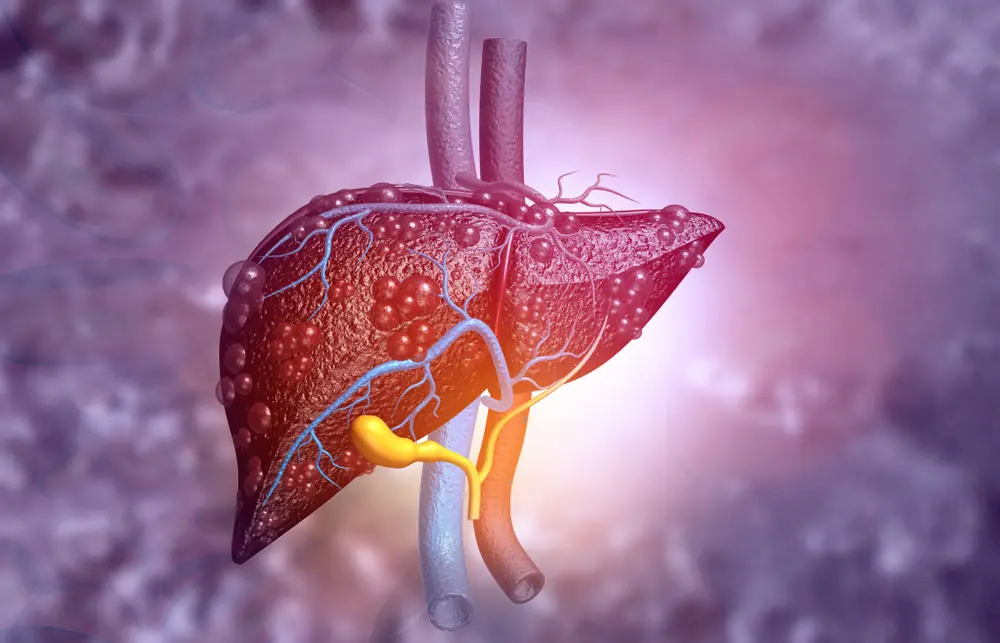
Liver problems (hepatitis, cirrhosis)
Gallbladder issues
Pancreatic conditions
Red flags:
Dark urine
Pale stools
Abdominal pain
👉 What to do:
Seek medical attention quickly—this usually requires blood tests.
What it looks like:
Dark, thick, velvety patches—commonly on the neck, armpits, or groin.
What it could mean:
Insulin resistance
Prediabetes or type 2 diabetes
Hormonal imbalance (like PCOS)
⚠️ Many people mistake this for dirt—but it won’t wash off.
👉 What to do:
Get your blood sugar checked early. This can be a reversible warning sign if caught in time.
Use the ABCDE rule:
A – Asymmetry: uneven halves
B – Border: irregular edges
C – Color: multiple shades
D – Diameter: larger than 6mm
E – Evolving: changing over time
What it could mean:
Skin cancer (including melanoma)
⚠️ The most dangerous sign is change over time.
👉 What to do:
See a dermatologist immediately if anything looks unusual.
What it looks like:
Persistent red, rough, flaky skin that doesn’t heal.
Possible causes:
Psoriasis (autoimmune)
Eczema
Actinic keratosis (precancerous)
Skin cancer
👉 Warning signs:
Bleeding
Spreading
No improvement with basic care
What it looks like:
A rash across both cheeks and the nose.
What it could mean:
Lupus (autoimmune disease)
Rosacea
Allergic reaction
⚠️ Pay attention if it comes with:
Joint pain
Fatigue
Fever
👉 What to do:
This may require autoimmune testing.
What it looks like:
Bruises appearing without injury or taking too long to heal.
Possible causes:
Vitamin deficiencies (C, K, B12)
Blood clotting issues
Liver disease
Medication side effects
👉 When to worry:
Frequent bruising
Large or painful bruises
No clear cause
What it feels like:
Severe itching with no visible skin changes.
What it could mean:
Liver disease
Kidney problems
Thyroid imbalance
Iron deficiency
In rare cases: lymphoma
⚠️ Especially concerning if paired with:
Fatigue
Weight loss
Night sweats
Any rapid change deserves attention.
Examples:
Fast-growing lumps
Sudden discoloration
Blistering without cause
Rash with fever
👉 Rule of thumb:
If it appears quickly and you can’t explain it—don’t ignore it.
| Skin Change | What It Might Mean |
|---|---|
| Dry, itchy skin | Thyroid issues, dehydration |
| Pale skin | Anemia |
| Yellow-orange palms | High beta-carotene (often harmless) |
| Flushing | Hormones, rosacea |
| Purple dots (petechiae) | Bleeding disorders |
| Slow-healing wounds | Diabetes, poor circulation |
Yellow skin/eyes → Liver or gallbladder
Dark neck patches → Insulin resistance
Changing mole → Skin cancer risk
Butterfly rash → Possible lupus
Easy bruising → Blood or liver issue
Chronic itching → Internal imbalance
Slow healing → Circulation or diabetes
Don’t wait if:
A spot or mole is changing
A wound won’t heal after 3–4 weeks
You have itching without a rash
Skin changes come with fever or fatigue
Something just feels off
👉 Trust your instincts. Early action saves lives.
Most skin changes are harmless.
Not every spot means something serious.
But when something is:
New
Persistent
Changing
…it’s worth paying attention.
You’re not overthinking.
You’re protecting your health.
Your body doesn’t stay silent—it communicates.
And often, your skin is the first place it speaks.
Listen early. Act early. Stay healthy.