In today’s world, where information about health and nutrition is everywhere, many people assume that preventing serious diseases like cancer requires complex diets, strict eating rules, or expensive supplements. The reality, however, is often much simpler—and far more accessible. Some of the most beneficial foods for protecting the body are already part of everyday meals, quietly delivering powerful nutrients that support overall health.
Scientific research in nutrition continues to highlight the importance of whole, natural foods—especially plant-based options—in maintaining a strong immune system and reducing the risk of chronic diseases. These foods contain bioactive compounds such as antioxidants, vitamins, minerals, and phytochemicals that help the body combat inflammation, neutralize harmful free radicals, and protect cells from damage.
It is important to emphasize that no single food can prevent cancer entirely. Health outcomes are influenced by a combination of factors, including genetics, lifestyle, environment, and overall diet. However, consistently incorporating nutrient-rich foods into daily meals can significantly contribute to long-term well-being and may lower the risk of various diseases.
Below are eight widely available foods that are often associated with potential anti-cancer benefits, along with a deeper look into why they matter.
1. Broccoli and Other Cruciferous Vegetables
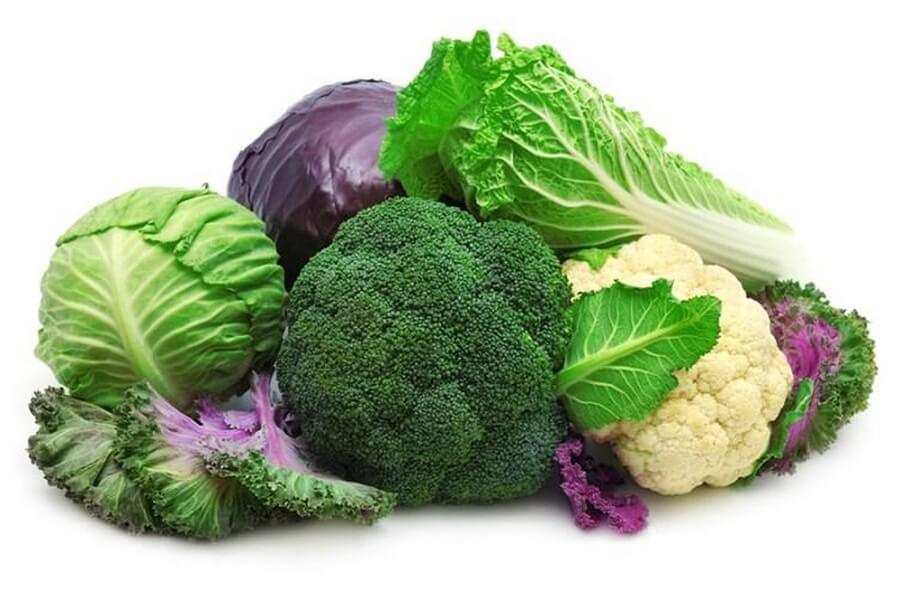
Cruciferous vegetables, including broccoli, cauliflower, cabbage, and Brussels sprouts, are among the most studied foods in relation to disease prevention. These vegetables are rich in glucosinolates, natural compounds that break down into biologically active substances such as sulforaphane.
Sulforaphane has attracted significant scientific interest due to its potential role in supporting the body’s detoxification processes. It helps activate enzymes that neutralize harmful toxins before they can damage cells. Additionally, it may contribute to reducing inflammation and supporting cellular repair mechanisms.
Regular consumption of cruciferous vegetables has been linked in some studies to a lower risk of certain cancers, particularly those affecting the digestive system. Beyond their protective properties, these vegetables are also high in fiber, vitamin C, and vitamin K, making them an essential part of a balanced diet.
2. Garlic
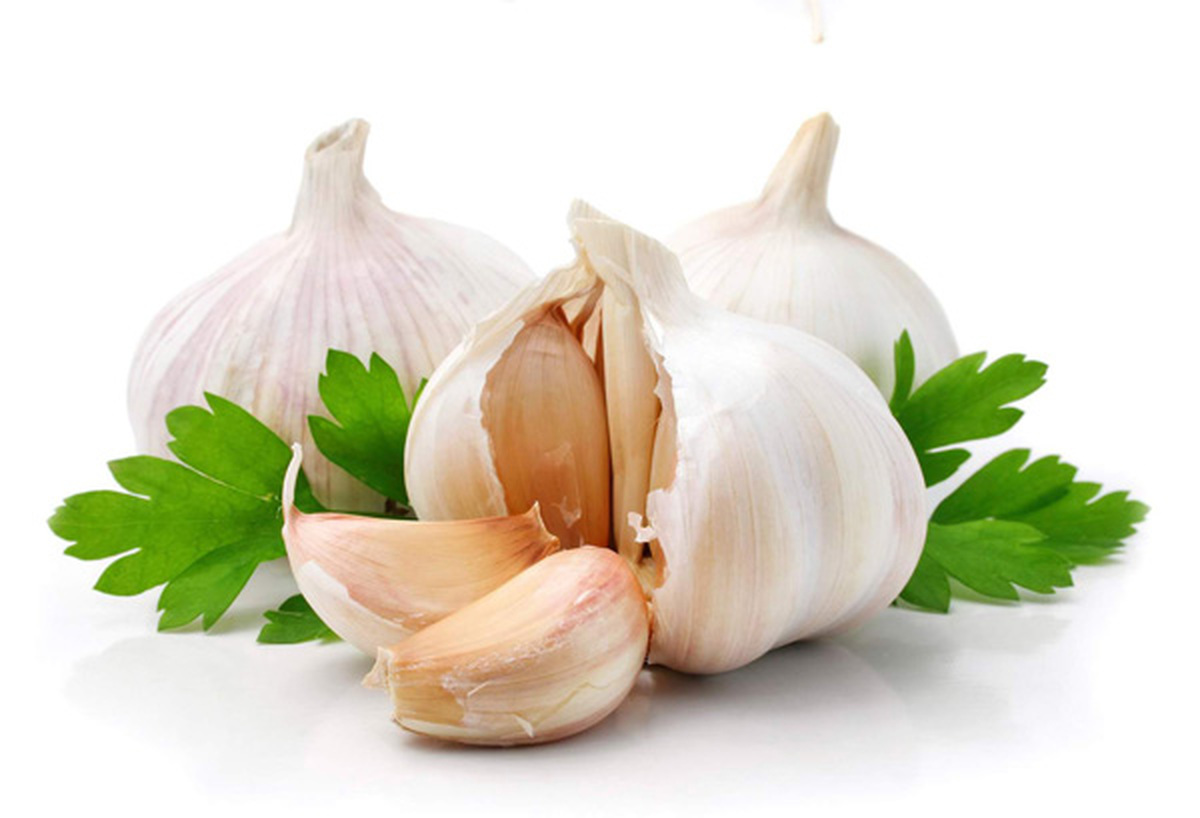
Garlic has been used for centuries not only as a flavorful ingredient but also for its medicinal properties. It contains sulfur-based compounds such as allicin, which are released when garlic is chopped or crushed.
These compounds are believed to support the immune system by enhancing the activity of certain immune cells. Garlic may also help reduce inflammation and has been studied for its potential role in slowing the growth of harmful cells.
Some population studies suggest that higher garlic consumption is associated with a reduced risk of certain cancers, particularly those of the digestive tract. While more research is needed to fully understand the mechanisms, garlic remains a simple and powerful addition to a healthy diet.
3. Berries
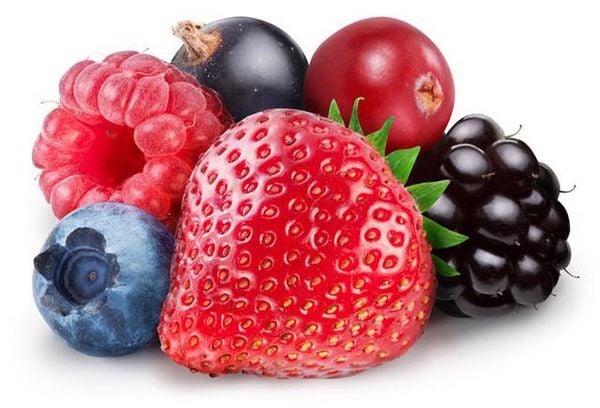
Berries such as blueberries, strawberries, and raspberries are well known for their high antioxidant content. They are rich in compounds like anthocyanins, ellagic acid, and vitamin C, all of which play a role in protecting cells from oxidative stress.
Oxidative stress occurs when there is an imbalance between free radicals and the body’s ability to neutralize them. Over time, this imbalance can lead to cellular damage, which is one of the contributing factors in the development of chronic diseases.
By helping to neutralize free radicals, the antioxidants in berries support cellular health and may reduce the risk of long-term damage. In addition, berries are low in calories and high in fiber, making them a nutritious choice for daily consumption.
4. Tomatoes
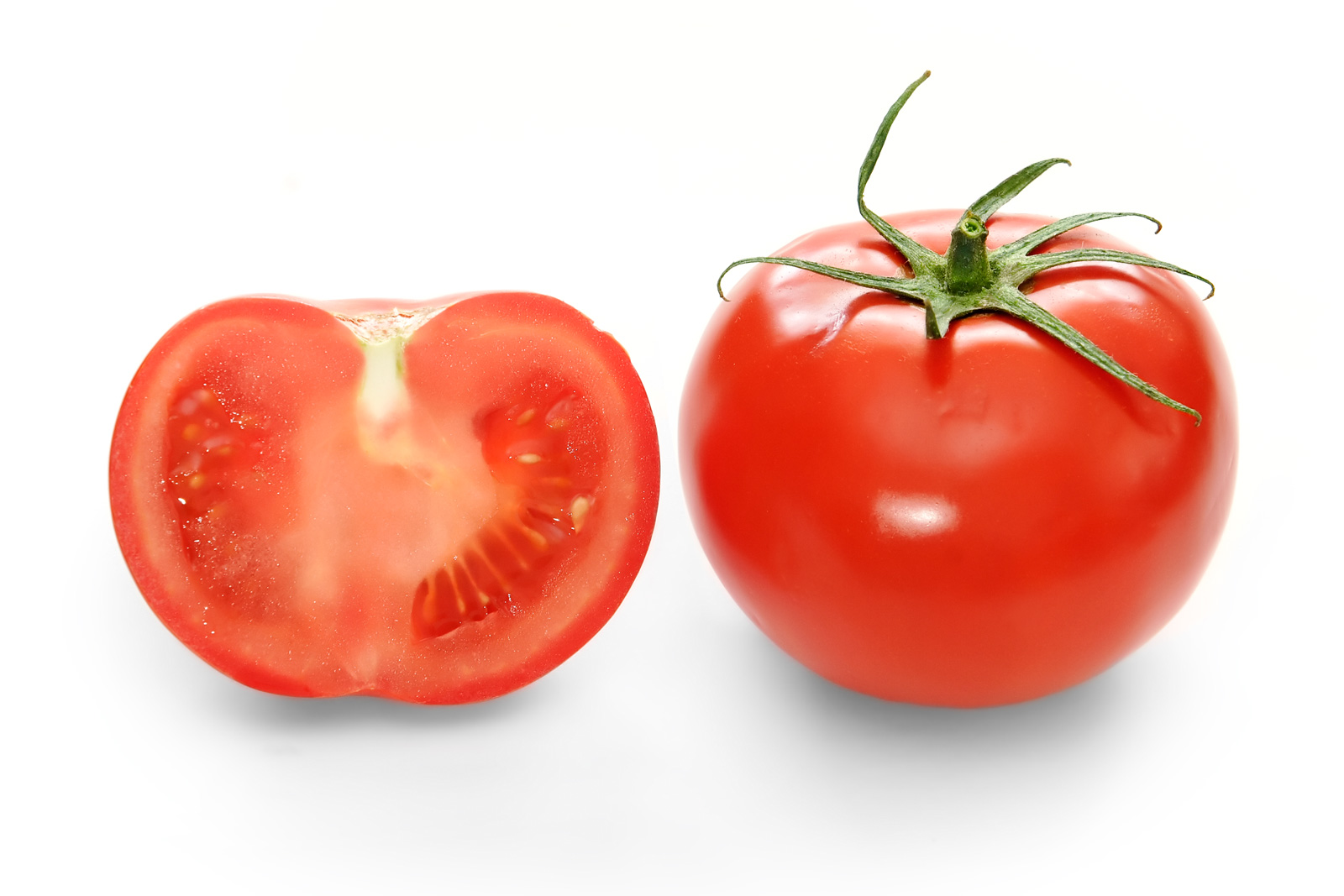
Tomatoes are a major dietary source of lycopene, a powerful antioxidant responsible for their bright red color. Lycopene has been extensively studied for its potential role in reducing the risk of certain cancers, particularly prostate cancer.
One interesting aspect of lycopene is that its availability increases when tomatoes are cooked. This means that tomato-based products such as sauces, soups, and stews can be especially beneficial.
In addition to lycopene, tomatoes also provide vitamin C, potassium, and other important nutrients that support heart health and overall well-being. Including tomatoes in a variety of forms can be an easy way to enhance the nutritional quality of meals.
5. Green Tea
Green tea has been consumed for thousands of years and is widely recognized for its health-promoting properties. It contains a group of antioxidants known as catechins, with epigallocatechin gallate (EGCG) being the most notable.
These compounds are believed to help protect cells by reducing oxidative stress and may also play a role in slowing the growth of abnormal cells. Some studies suggest that regular consumption of green tea is associated with a lower risk of certain cancers, although results can vary depending on lifestyle and genetic factors.
Beyond its potential protective effects, green tea is also known for supporting metabolism and providing a gentle source of caffeine, making it a popular choice for those seeking a healthier alternative to sugary beverages.
6. Turmeric
Turmeric, a bright yellow spice commonly used in cooking, contains an active compound called curcumin. Curcumin is known for its strong anti-inflammatory and antioxidant properties.
Chronic inflammation is considered a contributing factor in many diseases, including cancer. By helping to reduce inflammation, curcumin may play a supportive role in maintaining overall health.
Although curcumin is not easily absorbed by the body on its own, combining turmeric with black pepper can significantly improve its bioavailability. This simple combination can enhance its potential benefits when included in daily meals.
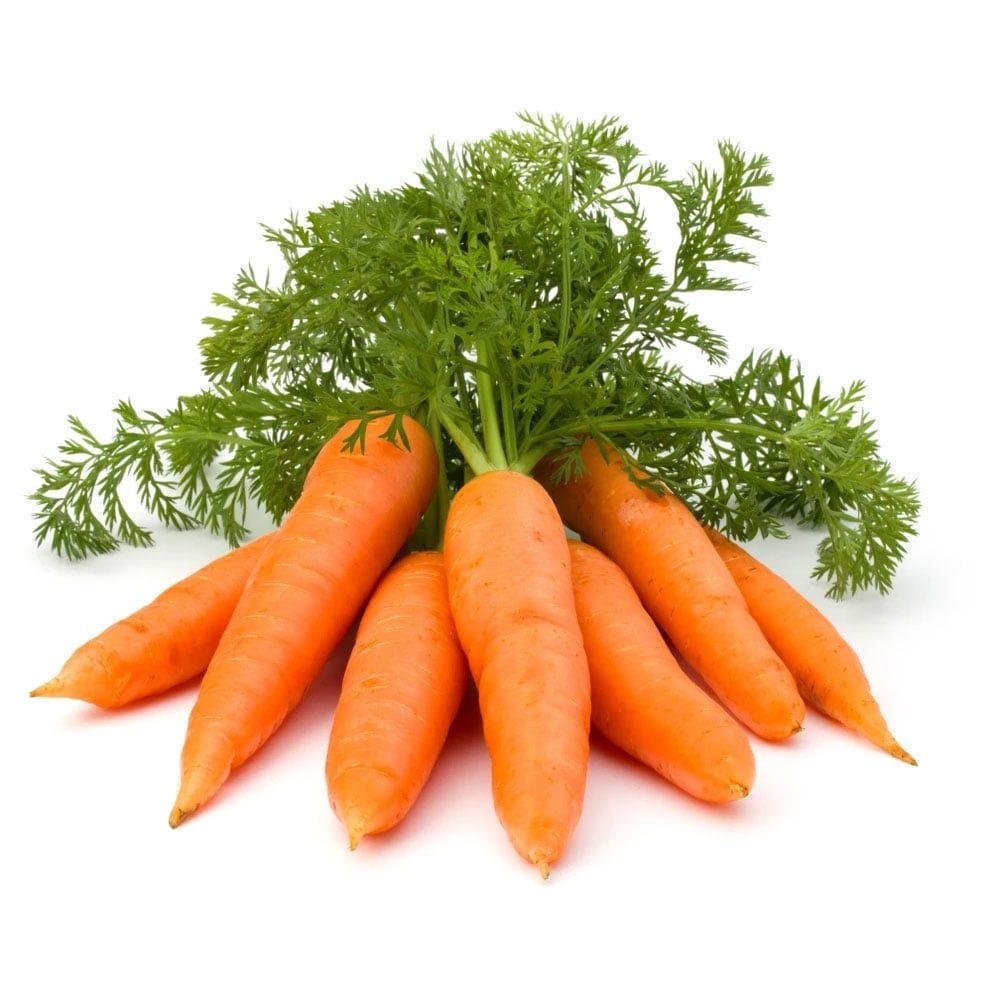
7. Carrots
Carrots are rich in beta-carotene, a type of antioxidant that the body can convert into vitamin A. This nutrient is essential for maintaining healthy vision, supporting the immune system, and protecting cells from damage.
Beta-carotene also contributes to reducing oxidative stress, which is linked to the development of chronic diseases. Some research suggests that diets high in carotenoid-rich vegetables may be associated with a lower risk of certain cancers.
In addition to their nutritional value, carrots are versatile, affordable, and easy to include in a variety of dishes, from salads to soups and snacks.
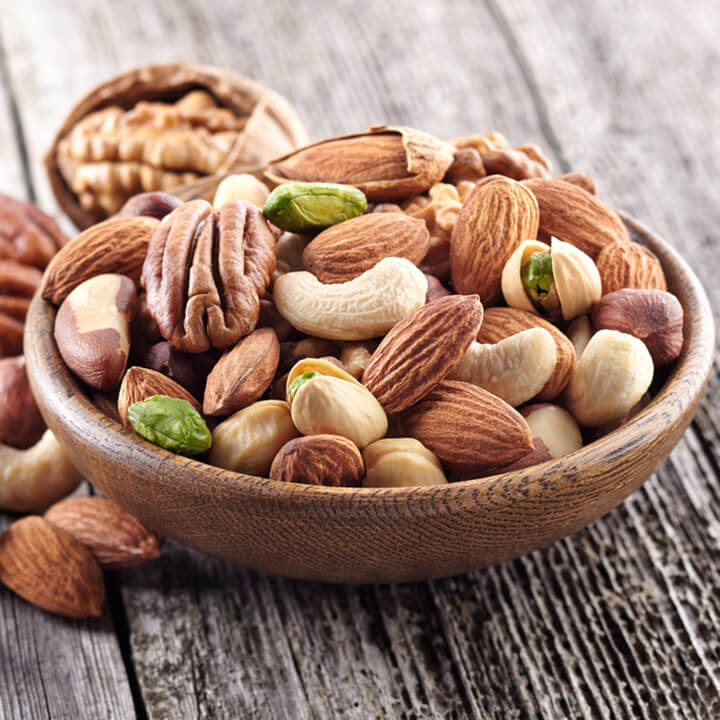
8. Nuts
Nuts such as walnuts, almonds, and others are nutrient-dense foods that provide a combination of healthy fats, protein, fiber, vitamins, and antioxidants.
The healthy fats found in nuts, particularly omega-3 fatty acids in walnuts, support heart health and help reduce inflammation. Meanwhile, the antioxidants present in nuts contribute to protecting cells from damage.
Regular consumption of nuts has been associated with improved overall health and a reduced risk of several chronic conditions. Despite being calorie-dense, moderate intake of nuts can be a valuable part of a balanced diet.
Building Healthy Habits for Long-Term Protection
While each of these foods offers its own unique benefits, their true power lies in consistency and combination. A diet that regularly includes a variety of nutrient-rich, plant-based foods can create a strong foundation for long-term health.
It is also important to remember that diet is only one piece of the puzzle. Other lifestyle factors—such as regular physical activity, adequate sleep, stress management, and avoiding harmful habits—play equally important roles in disease prevention.
Rather than focusing on individual “superfoods,” a more effective approach is to build sustainable eating habits that prioritize whole, minimally processed foods. Small, consistent changes over time often lead to the most meaningful results.
Conclusion
Preventing serious diseases does not always require drastic or expensive measures. In many cases, it begins with simple, everyday choices—like the foods we include in our meals.
By incorporating ingredients such as cruciferous vegetables, garlic, berries, tomatoes, green tea, turmeric, carrots, and nuts into your daily routine, you can take practical steps toward supporting your body’s natural defenses.
Ultimately, long-term health is not built overnight. It is the result of consistent habits, informed choices, and a balanced lifestyle. And sometimes, the most powerful tools for protecting your health are already within reach—in your own kitchen.