Avoid These Foods to Help Prevent and Relieve Arthritis Discomfort
Arthritis may not have a permanent cure, but what you put on your plate can make a surprising difference in how you feel each day. Research shows that the right diet can help reduce flare-ups, ease joint pain, and support a more active, comfortable lifestyle. The wrong foods, however, can do just the opposite.
Let’s break down what arthritis is, how food affects inflammation, and what you should consider limiting—or adding—to your daily meals.
What Exactly Is Arthritis?
Arthritis isn’t just one condition. In fact, there are more than 100 different types, but the most common ones include:
• Osteoarthritis
Wear-and-tear arthritis that gradually breaks down cartilage with age.
• Rheumatoid Arthritis
An autoimmune disease where the immune system attacks the joints.
• Psoriatic Arthritis
Linked to psoriasis and causes joint inflammation.
• Gout
Triggered by excess uric acid that forms painful crystals in the joints.
Recognizing the Symptoms
Arthritis symptoms can vary, but the most common signs include:
- Joint pain
- Swelling and redness
- Morning stiffness
- Reduced flexibility and range of motion
Who’s at Risk?
Several factors increase the likelihood of developing arthritis:
- Aging
- Extra body weight
- Family history
- Previous joint injuries
- Poor dietary habits
The Inflammation Connection
How Food Fuels (or Fights) Inflammation
Inflammation is your body’s natural response to injury and illness. But when inflammation becomes chronic, it starts damaging healthy tissues—including your joints. Your daily diet can either feed inflammation or help calm it down, which is why food choices matter so much for arthritis management.
Foods to Avoid or Limit If You Have Arthritis
1. Refined Sugar & Processed Carbs
Sweets, pastries, and white bread can spike blood sugar and encourage inflammation.
2. Trans Fats & Refined Oils
Common in fast foods, fried items, and packaged snacks, these fats increase inflammation and contribute to weight gain.
3. Red & Processed Meats
Saturated fats and chemical additives can worsen joint pain and swelling.
4. Full-Fat Dairy & Aged Cheeses
Some people with arthritis notice more stiffness after eating dairy due to certain proteins that may irritate joints.
5. Alcohol & Sugary Drinks
Alcohol can interact with medications, and sugary beverages increase inflammation much like refined sugar.
6. Excess Salt & Ultra-Processed Foods
Too much sodium causes fluid retention, which adds pressure to sore joints.
Foods That May Help Ease Symptoms
Antioxidant-Rich Fruits & Vegetables
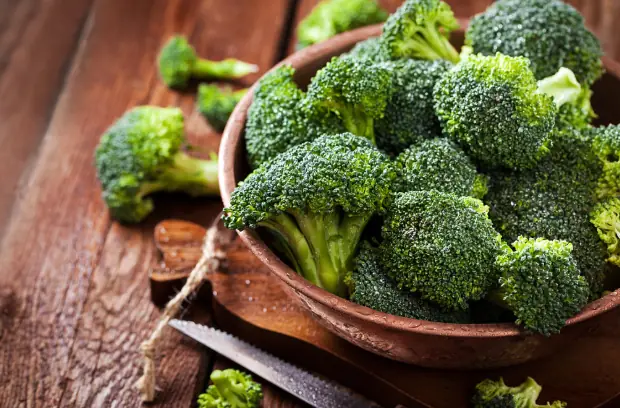
Blueberries, strawberries, spinach, broccoli—these colorful foods protect joints from oxidative stress.
Fatty Fish High in Omega-3s
Salmon, tuna, sardines, and mackerel contain powerful anti-inflammatory fatty acids.
Legumes & Whole Grains
Great for digestion, weight control, and plant-based protein.
Nuts & Seeds
Almonds, walnuts, chia seeds—all excellent sources of healthy fats.
Anti-Inflammatory Spices
Turmeric, ginger, and garlic act as natural inflammation fighters.
Practical Tips for an Arthritis-Friendly Diet
Plan Your Meals
Weekly meal planning helps you avoid impulse eating and ensures you include anti-inflammatory foods. Simple ideas include salmon salads, oatmeal with berries, or lentil soups.
Make Smart Kitchen Swaps
Small changes can have big results:
- Choose water or herbal teas instead of sugary drinks
- Bake or steam rather than fry
- Replace red meat with chicken, turkey, or fish
- Use olive oil instead of refined seed oils
Portion Balance Matters
Maintaining a healthy weight reduces stress on weight-bearing joints.
A balanced plate typically includes:
- 50% vegetables and fruits
- 25% lean protein
- 25% whole grains
More Tips for Managing Arthritis
Stay Well Hydrated
Water keeps joints cushioned—aim for 1.5 to 2 liters daily, depending on your activity level.
Move Your Body—Gently
Walking, swimming, yoga, and Pilates can improve flexibility and reduce stiffness.
Prioritize Sleep & Manage Stress
Good sleep supports tissue repair, and calming activities (meditation, breathing exercises) reduce stress-related inflammation.