Beets The Superfood That Actually Lives Up to the Hype
Health 29/01/2026 18:03
Millions of people around the world struggle with knee pain, stiffness, or deterioration of joint cartilage — especially as they age. Headlines circulating online often claim there’s a simple, “miracle food” that can rebuild knee cartilage in just 24 hours, sometimes citing a legendary 97-year-old orthopedic surgeon as the source.
But how accurate are these claims? And what does scientific evidence really say about the role of diet in supporting knee cartilage and joint health? The answer isn’t as instantaneous as headlines suggest, but there are meaningful ways nutrition can support joint structure, reduce inflammation, and provide the building blocks your body needs for repair over time.
To understand this topic better, it helps to know a bit about cartilage itself. Cartilage is a flexible, rubbery connective tissue that covers the ends of bones in joints, helping them glide smoothly and absorb shock. Because it has very limited blood supply, cartilage heals slowly and doesn’t regenerate as quickly as other tissues like muscle or skin.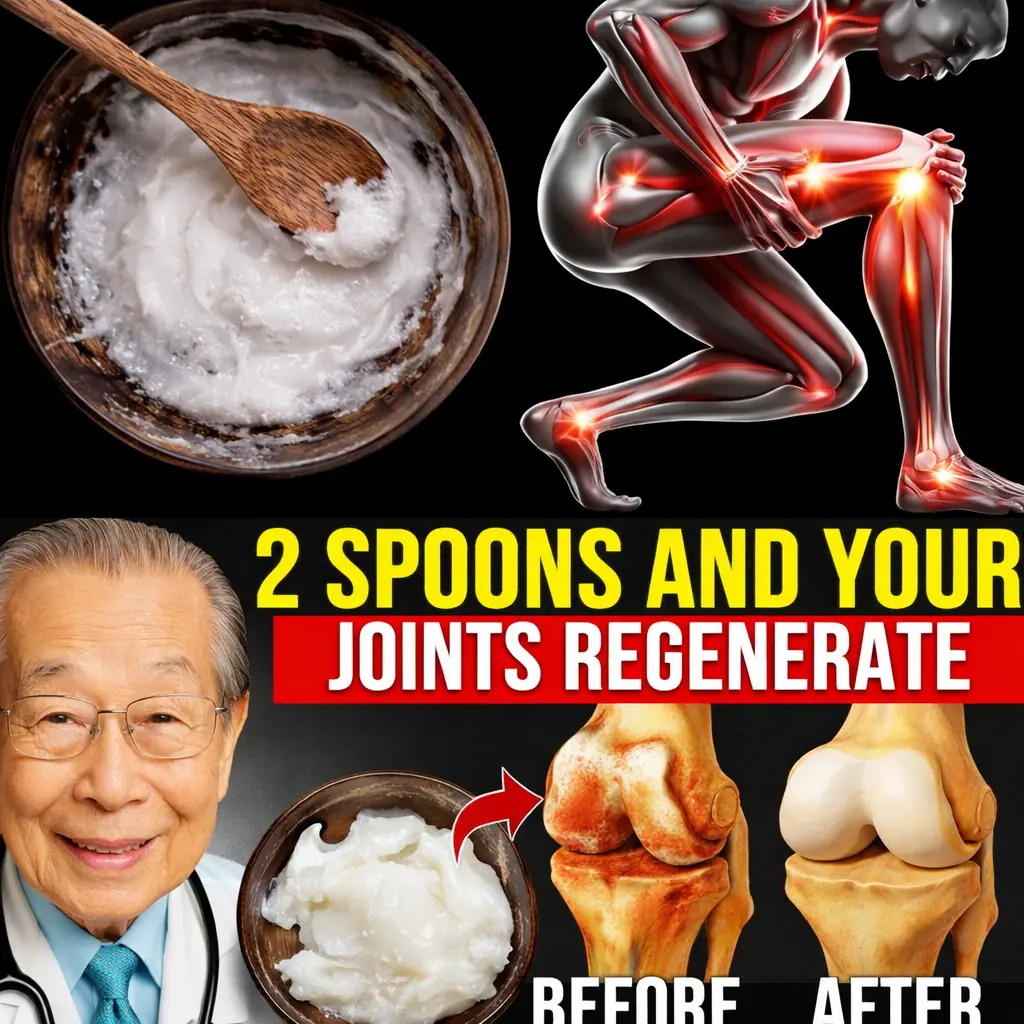
The viral article you saw highlights one food that a 97-year-old orthopedic doctor claims supports knee cartilage regeneration. According to this story, bone broth is the food he recommends most strongly, due to its content of collagen, gelatin, glucosamine, chondroitin, and essential minerals that are also found in joint cartilage.
The article suggests that people may experience notable comfort — such as reduced stiffness or improved flexibility — within 24 hours, especially because drinking bone broth can reduce inflammation and help hydrate the joints.
However, nutrition experts and health scientists emphasize that no single food can rebuild cartilage instantly, and headlines claiming “overnight regeneration” are misleading. Real cartilage repair is a slow biological process that usually requires a combination of factors, including diet, physical activity, and sometimes medical intervention.
While it’s unrealistic to expect immediate cartilage regrowth from a single meal, research does support that some foods provide nutrients that may help maintain healthy joints, reduce inflammation, and support the body’s natural repair mechanisms over time. Here are some key examples:
Bone broth contains collagen and amino acids such as glycine and proline, which are the building blocks for collagen production in the body. Some studies suggest that collagen peptides may help reduce joint pain and stiffness over weeks of consistent use.
Bone broth also offers minerals like calcium and magnesium that support bone strength, while gelatin can help promote satiety and overall well-being.
Fatty fish such as salmon, sardines, and mackerel are excellent sources of omega-3 fatty acids, which have well-documented anti-inflammatory effects. These fats may help reduce joint inflammation — a key contributor to cartilage breakdown — when consumed regularly.
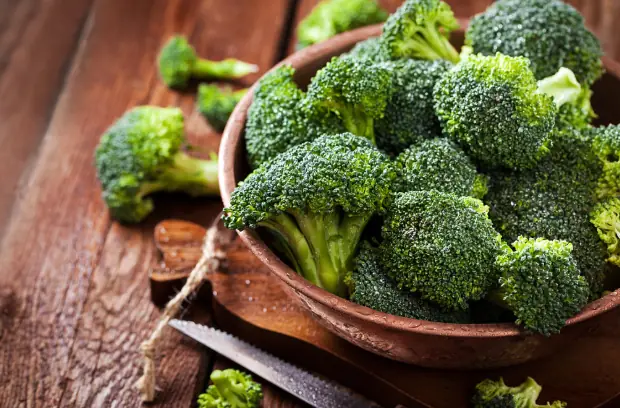
Vegetables like spinach, kale, and broccoli provide vitamin K, vitamin C, and antioxidants, all important for bone metabolism and for protecting tissues from oxidative stress. Vitamin C plays a vital role in collagen synthesis — the protein that helps maintain healthy cartilage.
Vitamin C-rich fruits like oranges, berries, and kiwi help support collagen formation and neutralize free radicals that can contribute to inflammation and cartilage degradation.
Foods such as walnuts, almonds, flaxseeds, and chia seeds are rich in healthy fats, antioxidants, and trace minerals that may reduce inflammation and support tissue repair.
Spices like turmeric (which contains curcumin) and ginger have shown anti-inflammatory effects in research, helping reduce joint discomfort and possibly slowing cartilage damage over time when part of a balanced diet.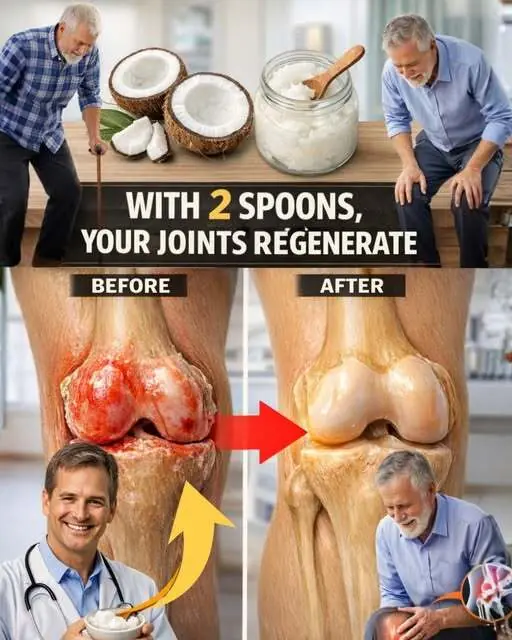
Diet alone cannot magically regrow cartilage in a day. The process of cartilage repair in humans is complex and slow because of limited blood supply and the tissue’s nature. However, a combination of nutrient-rich foods can support overall joint health, supply building blocks for cartilage maintenance, reduce chronic inflammation, and improve mobility over weeks and months when combined with other healthy habits.
Hydration, physical activity (especially low-impact exercises like walking and swimming), and maintaining a healthy weight are equally important factors in joint health. Without these complementary habits, nutritional improvements alone will have limited impact.
The claim that a single food can rebuild knee cartilage in just 24 hours is overstated and not supported by evidence. Real cartilage repair requires time and a combination of lifestyle factors. That said, foods rich in collagen, omega-3s, vitamins, and antioxidants — such as bone broth, fatty fish, leafy greens, and fruits — can support joint health, reduce inflammation, and help create a better environment for your body’s natural regenerative processes over time.
For personalized advice, especially if you have chronic knee pain or osteoarthritis, it’s always best to consult a healthcare professional to design an appropriate diet and treatment plan.