Sudden Confusion or Trouble Speaking: When It’s More Than Just Fatigue
Health 21/12/2025 01:29
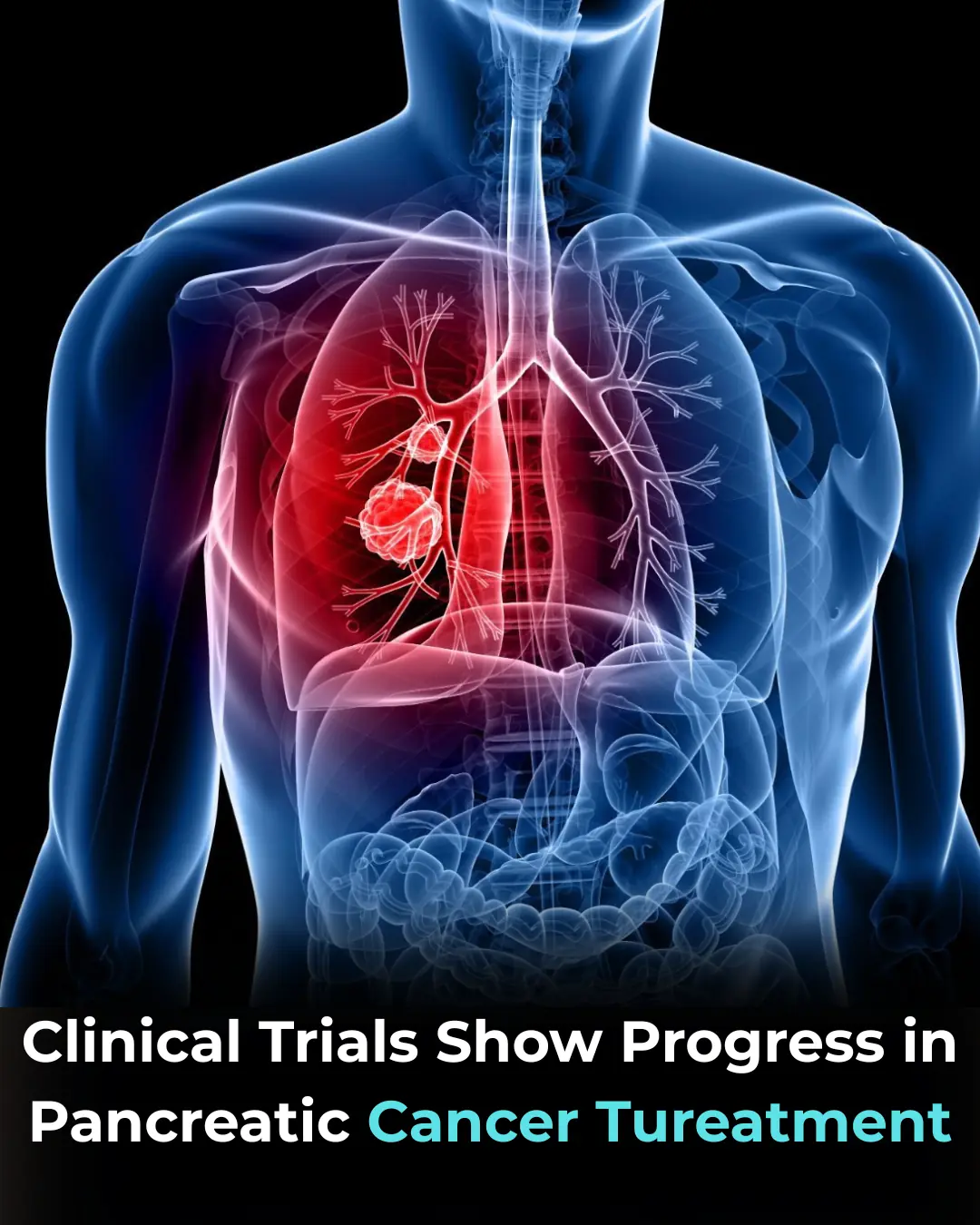
Pancreatic cancer remains one of the deadliest malignancies, with a five-year survival rate under 12% and limited responsiveness to chemotherapy, radiation, or existing immunotherapies. To address this challenge, UCLA researchers engineered chimeric antigen receptor natural killer T (CAR-NKT) cells that specifically target mesothelin, a protein highly expressed on pancreatic cancer cells and several other solid tumors.
In studies published in Proceedings of the National Academy of Sciences (PNAS), the CAR-NKT therapy was tested in orthotopic pancreatic tumor models and metastatic models involving the liver and lungs—common sites of pancreatic cancer spread. The results showed:
High tumor-homing ability due to elevated chemokine receptor expression.
Effective infiltration into dense, fibrotic tumor tissue.
Sustained anti-tumor activity even in immunosuppressive environments.
Significant slowing of tumor growth and extended survival in multiple mouse models.
Unlike current CAR-T therapies, which require weeks of patient-specific cell preparation and cost hundreds of thousands of dollars, the UCLA CAR-NKT cells are produced from donated blood stem cells. This enables:
Large-batch manufacturing
Immediate clinical availability (“off-the-shelf”)
Estimated cost of ~$5,000 per dose, a fraction of CAR-T therapy expenses
Because mesothelin is also overexpressed in breast, ovarian, and lung cancers, the same CAR-NKT design has demonstrated effectiveness in preclinical models of triple-negative breast cancer and ovarian cancer. This suggests potential for a multi-cancer immunotherapy platform.
With all animal studies completed, the UCLA team is preparing submissions to the U.S. Food and Drug Administration (FDA) to initiate first-in-human clinical trials for pancreatic cancer patients. If successful, this therapy could represent a scalable, cost-effective, and broadly applicable immunotherapy for some of the most treatment-resistant cancers.
| Feature | CAR-NKT (UCLA) | CAR-T (Current Standard) |
|---|---|---|
| Source | Donated blood stem cells (allogeneic) | Patient’s own T cells (autologous) |
| Manufacturing time | Ready-to-use, stored batches | Weeks of preparation |
| Cost per dose | ~$5,000 | $300,000–$500,000 |
| Tumor targets | Mesothelin (pancreatic, breast, ovarian, lung) | Mostly hematologic cancers (e.g., leukemia, lymphoma) |
| Preclinical results | Strong tumor infiltration, slowed growth, extended survival | Proven efficacy in blood cancers, limited in solid tumors |
| Clinical status | Preparing FDA submission for human trials | Approved for several blood cancers |
Conclusion: The UCLA CAR-NKT therapy represents a major innovation in solid tumor immunotherapy, offering scalability, affordability, and effectiveness in preclinical models. If clinical trials confirm safety and efficacy, it could transform treatment options for pancreatic cancer and other mesothelin-expressing malignancies.