
The Best Way To Use Vaseline and Lemon on Skin for Dark Spots, Wrinkles & Glowing Skin
Health 15/03/2026 21:43
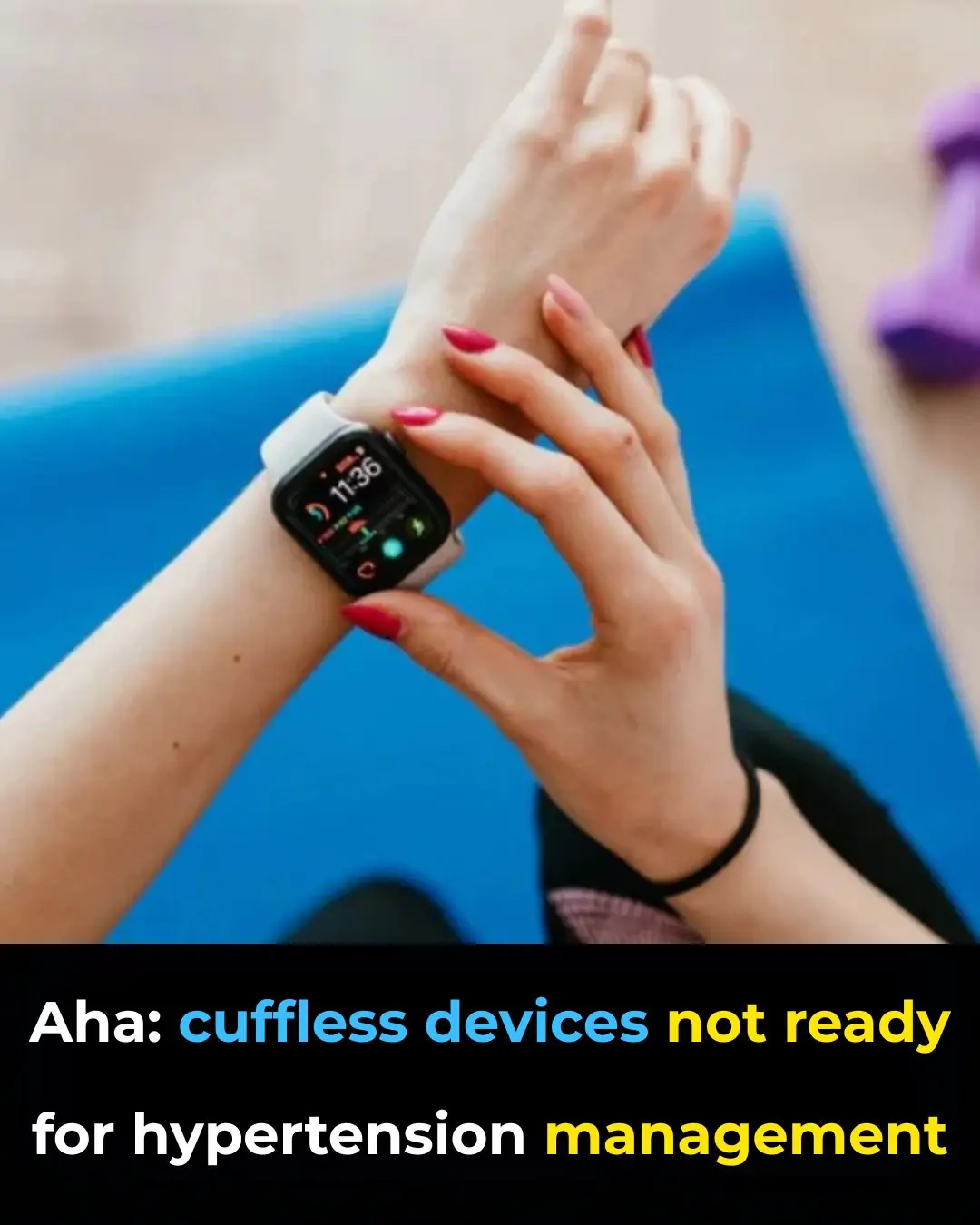
Wearable health technology is advancing rapidly, raising hopes that blood pressure monitoring could soon become easier, more continuous, and more accessible. Among the most promising innovations are cuffless blood pressure (BP) measuring devices, often embedded in smartwatches, rings, or other wearable sensors. These devices aim to estimate blood pressure without the need for a traditional inflatable cuff.
However, according to a recent scientific statement from the American Heart Association (AHA), cuffless BP devices are not yet ready to guide hypertension management or significantly change cardiovascular disease prevention and treatment.
High blood pressure is one of the leading risk factors for cardiovascular disease worldwide. Accurate blood pressure measurement is essential for:
Diagnosing hypertension
Adjusting medications
Monitoring treatment effectiveness
Preventing heart attacks, strokes, and kidney disease
Traditional cuff-based measurements, despite some limitations, remain the gold standard because they are backed by decades of validation and clinical evidence.
Cuffless BP devices use indirect methods—such as pulse wave analysis, optical sensors, or algorithms combining heart rate and vascular signals—to estimate blood pressure. Their potential advantages include:
Continuous or frequent monitoring
Improved comfort and convenience
Greater patient engagement
Detection of blood pressure patterns outside the clinic
If proven accurate, such devices could help identify masked hypertension, white-coat hypertension, and daily BP fluctuations that are often missed during office visits.
In its statement published in the journal Hypertension, the AHA emphasizes that current cuffless BP devices lack sufficient accuracy, reliability, and standardization. Key concerns include:
Inconsistent accuracy across different users, skin tones, ages, and health conditions
Calibration issues, often requiring frequent comparison with cuff-based measurements
Limited validation studies, many of which involve small or selective populations
Lack of standardized testing protocols, making it difficult to compare devices
As a result, the AHA does not recommend using cuffless BP devices for diagnosing hypertension, adjusting medications, or making clinical decisions at this time.
Relying on inaccurate blood pressure readings can have serious consequences. Overestimated BP may lead to unnecessary medication, while underestimated BP could delay treatment and increase cardiovascular risk. The AHA warns that widespread use of unvalidated devices could create false reassurance or unnecessary anxiety for patients.
Despite current limitations, experts agree that cuffless BP technology holds significant promise. The AHA calls for:
Larger, more diverse clinical studies
Transparent algorithms and reporting standards
Improved calibration methods
Clear regulatory pathways
With rigorous research and validation, cuffless devices may one day complement or even enhance traditional blood pressure monitoring.
Cuffless blood pressure devices represent an exciting frontier in digital health, but science has not yet caught up with innovation. For now, traditional cuff-based measurements remain the cornerstone of hypertension management and cardiovascular disease prevention.
As research continues, clinicians and patients alike should approach wearable BP technology with curiosity, optimism—and caution.