
Garden Healthy 16/03/2026 08:43
THE CASSAVA PARADOX: WHEN A "LIFE-SAVER" BECOMES A SILENT KILLER
THE CASSAVA PARADOX: WHEN A "LIFE-SAVER" BECOMES A SILENT KILLER
In the plant kingdom, there are species that act as heroes, feeding millions of souls, while simultaneously carrying deadly weapons. At the top of this paradoxical list is Cassava (also known as manioc or yuca)—a root vegetable that the World Health Organization (WHO) once categorized among the world's deadliest foods if not prepared correctly. Statistically, while over 200 people lose their lives to this plant annually, nearly 500 million people worldwide continue to consume it as a daily staple.
1. The Rise of a Humble Superfood
Originating from South America and later spreading across the tropical regions of Africa and Asia, cassava has become the third-largest source of carbohydrates in the tropics, following only rice and maize. Its resilience is legendary; it thrives in poor soil, survives extreme droughts, and requires very little maintenance. For many developing nations, cassava is more than just food—it is "famine insurance" during times of natural disasters or economic instability.
However, beneath its rugged exterior and life-saving potential lies a harsh biological defense mechanism. The cassava plant is not a passive victim of nature; it is armed with "chemical warfare" designed to fend off insects and animals.
2. Chemical Warfare: The Cyanide Factor
The danger of cassava lies in compounds known as cyanogenic glucosides (primarily linamarin). These compounds are concentrated in the peel, leaves, and stems of the plant. When the plant tissue is damaged—whether by chewing, crushing, or cutting—specific enzymes convert these compounds into hydrogen cyanide (HCN).
Hydrogen cyanide is a potent toxin that interferes with cellular respiration, effectively "suffocating" the body's cells from the inside out. In high doses, it can lead to rapid death. The WHO reports that acute cassava poisoning is most prevalent in regions facing famine or war. In these desperate circumstances, people often lack the time or clean water required for the lengthy detoxification process, leading them to eat "bitter" or under-processed cassava out of sheer hunger.
3. Konzo: The Nightmare of Hidden Toxicity
While acute poisoning leads to immediate fatalities, long-term consumption of improperly processed cassava triggers a horrifying medical condition: Konzo.
Konzo is an irreversible neurological disease characterized by sudden, permanent paralysis of the legs. It often strikes without warning, leaving victims—mostly children and young women—unable to walk overnight. The root cause is not just the cyanide in the cassava, but a combination of toxic intake and severe malnutrition.
When a person’s diet is dangerously low in protein (specifically sulfur-containing amino acids), the liver cannot produce the enzymes necessary to detoxify cyanide. The toxin accumulates, eventually attacking the motor pathways in the nervous system. This tragic reality is currently unfolding in countries like Venezuela and the Democratic Republic of Congo, where economic collapse has left many with no choice but to rely on cassava as their sole source of calories.
4. The Art of Detoxification: A Ritual of Patience
Despite its "deadly" reputation, cassava remains an indispensable part of global cuisine. This is possible only because of human ingenuity in "taming" the toxin. Converting a poisonous root into a safe meal is a journey of patience and ancestral wisdom.
The most critical safety measure is often called the "24-Hour Rule." The roots must be thoroughly peeled (where the highest concentration of toxins resides) and then soaked in water for 24 to 48 hours. This soaking process does more than just soften the root; it triggers a natural fermentation that releases the majority of the hydrogen cyanide into the water. After soaking, the cassava must be washed multiple times and then thoroughly cooked—whether by boiling, roasting, or drying into flour. High temperatures help eliminate any remaining traces of the toxin.
In many cultures, this isn't just cooking; it’s a life-saving craft passed down through generations. It serves as a reminder that some of the most vital foods on our planet require respect and time before they can be safely enjoyed.
5. Lessons in Balance and Food Security
The story of cassava is a profound lesson in the relationship between humans and nature. A single plant can be "white gold" that alleviates poverty, or a "grim reaper" if we ignore the rules of its preparation.
The fact that 500 million people eat cassava every day without ill effects proves that humans can manage environmental risks through knowledge. However, the annual death toll and the thousands of Konzo cases are stark reminders that in the battle against hunger, safety can never be compromised.
As climate change continues to threaten traditional crops like wheat and rice, cassava’s role in global food security will only grow. It is a resilient crop for a changing world. Our mission is not to fear or boycott this plant, but to ensure that the knowledge of safe processing reaches the most vulnerable communities.
Conclusion
In the end, cassava teaches us that nature provides, but it also protects itself. The boundary between a nourishing meal and a fatal mistake lies in our hands—specifically, in the patience we show in our kitchens. With cassava, the difference between life and death is often just 24 hours of soaking and the wisdom to know that some things simply cannot be rushed.
News in the same category

The Mystery of the Amazon Giant: Why This Nostalgic Nut is Your Brain’s Best Ally

Betel Leaves: The "Green Gold" of Ancient Wisdom for Modern Wellness
Curry Leaves: The "Hidden Gem" of Ayurveda for Modern Longevity

Why Nutritionists Recommend Adding Malabar Spinach to Your Diet
Borage (Borago officinalis): Edible Uses and Powerful Benefits
10 benefits of pigweed
Mint: The Miracle Herb for Health, Healing, and Refreshment

Wild Lettuce Sap: Benefits and Uses
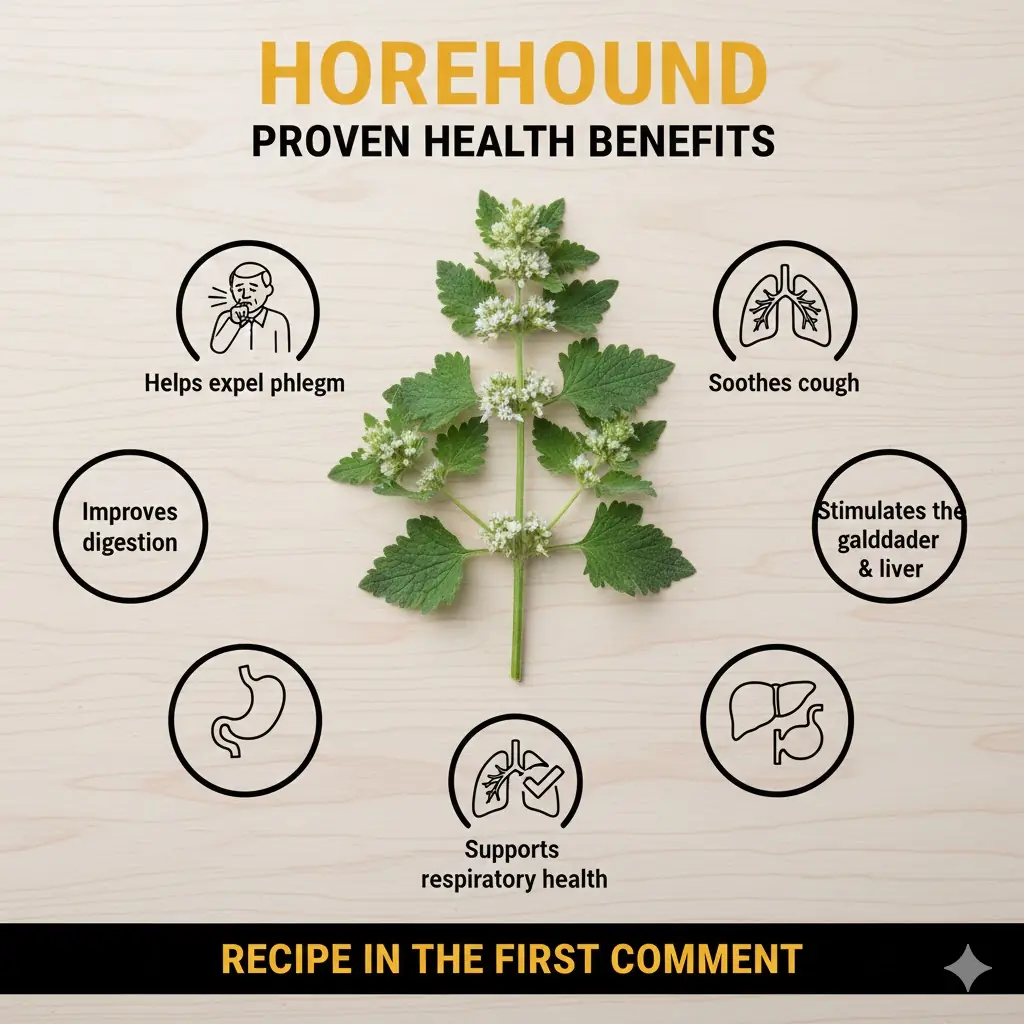
Marrubio (White Horehound): Health Benefits, Uses & How to Use It

Amazing Health Benefits of Chewing Cloves Every Day
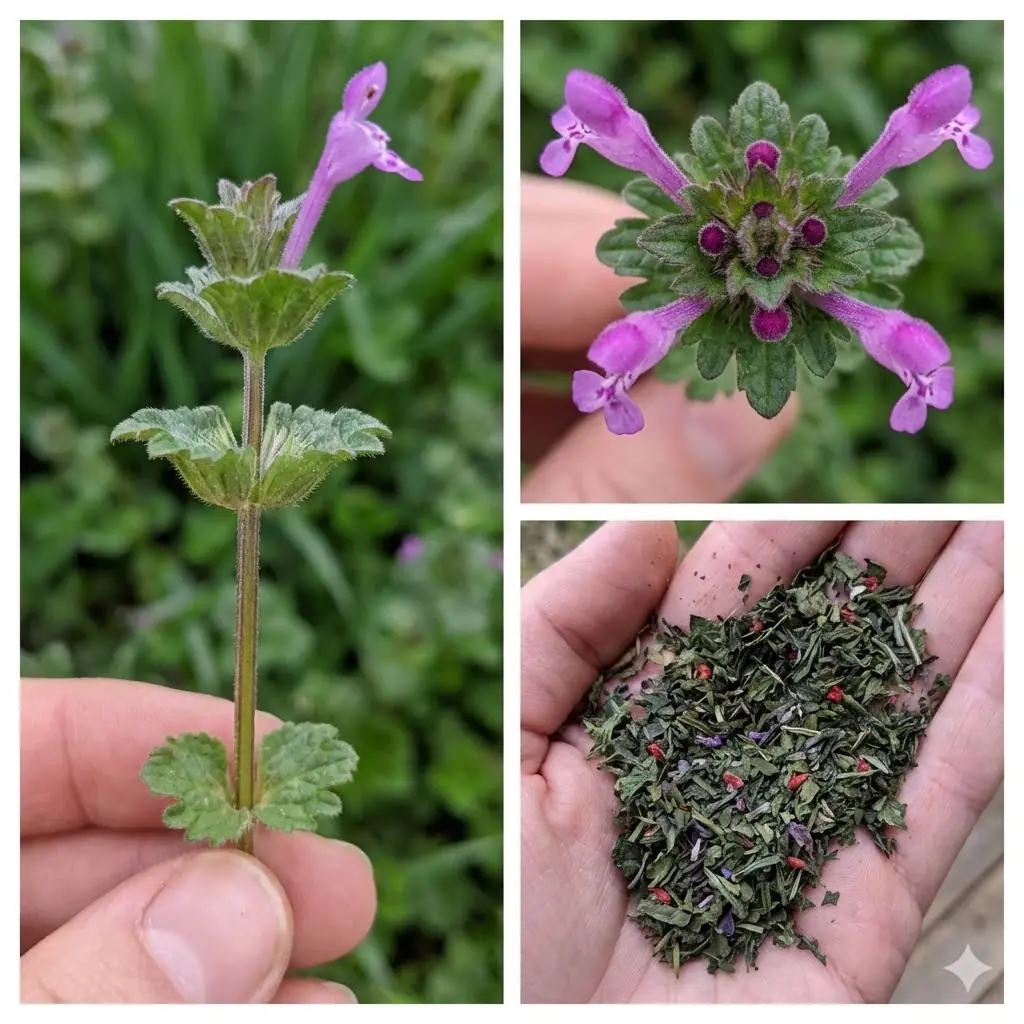
Henbit (Lamium amplexicaule): Identification, Benefits, and Homemade Uses
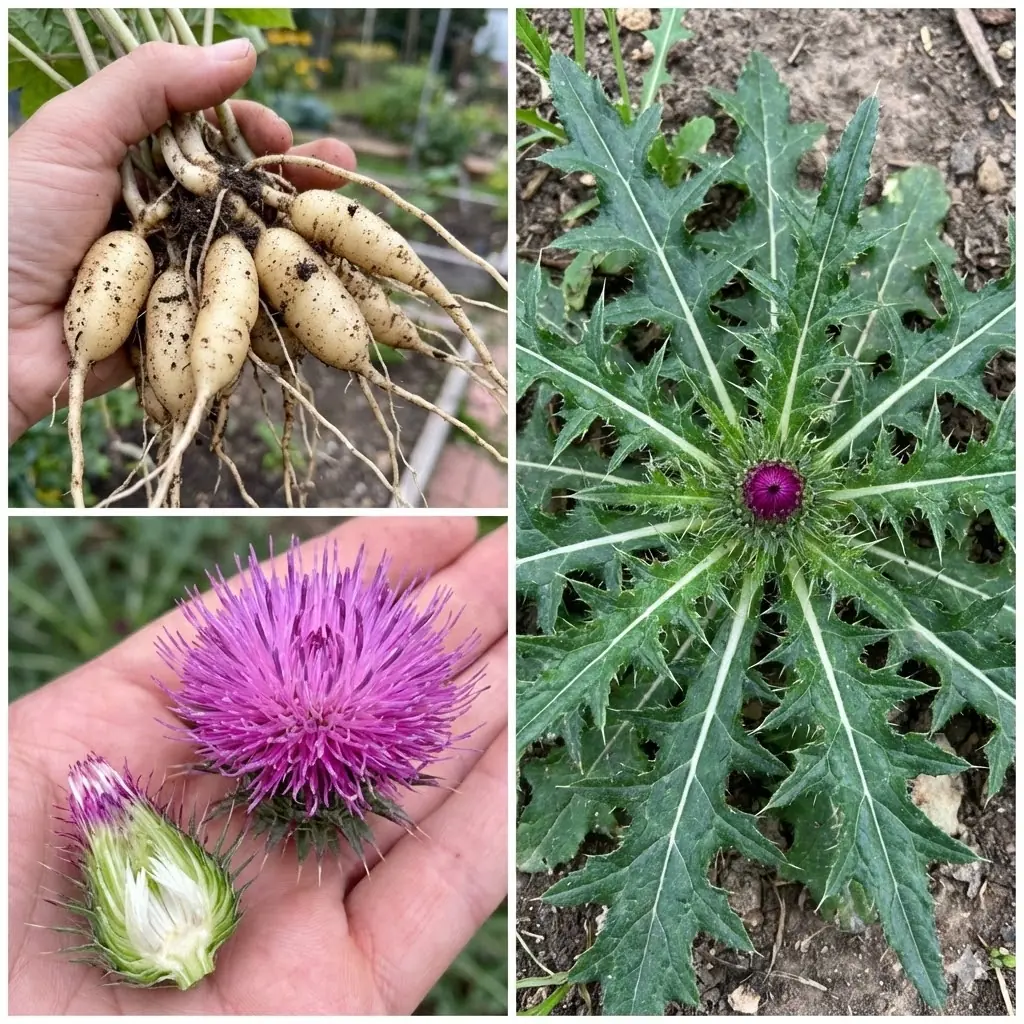
12 Benefits of Bull Thistle Root and How to Use It Naturally
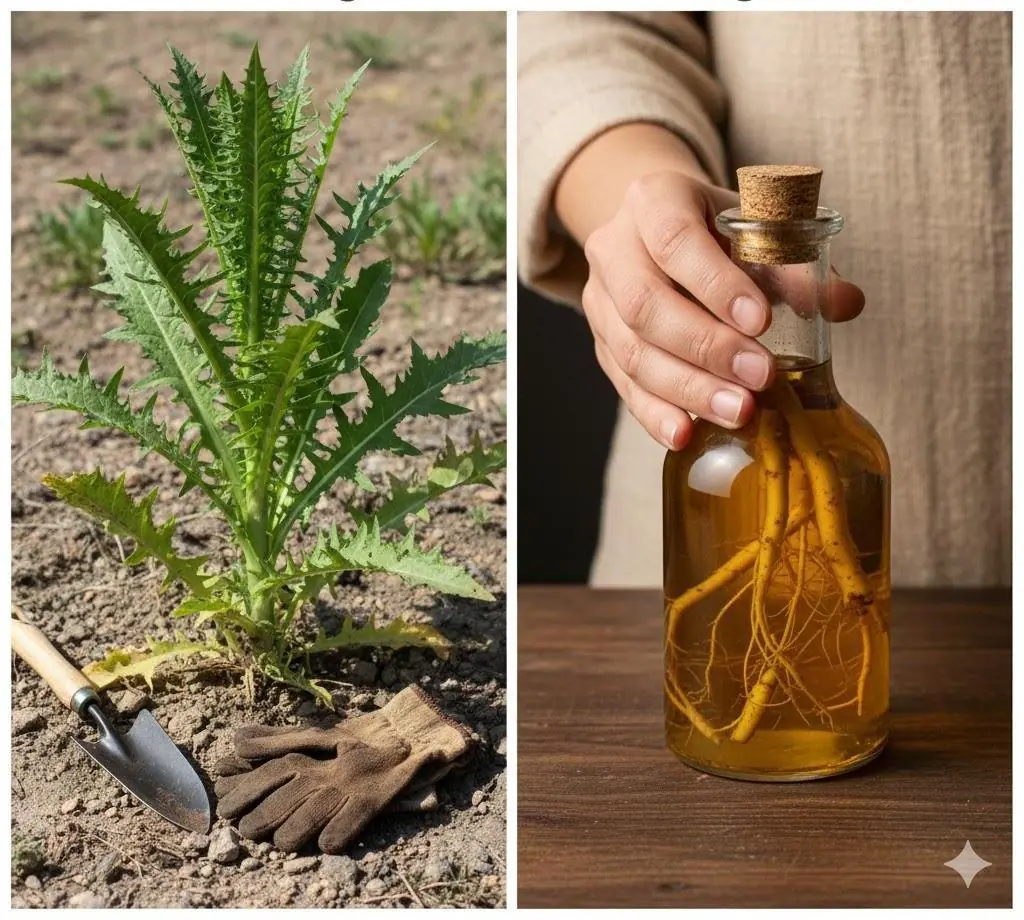
Wild Lettuce Root – Benefits, Uses, and Natural Pain Relief Properties
Chanca Piedra Tea: Benefits, Uses, and How to Prepare Stone Breaker Tea Naturally
Tulsi Oral Health Benefits: Natural Protection Against Cavities, Gum Issues & Bad Breath

Unlock Crystal-Clear Vision with Cuban Oregano: Natural Eye Remedies That Transform Your Sight
Orégano Orejón: Exploring This Unique Herb’s Potential Role in Supporting Eye Wellness
15 Overlooked Natural Foods and Herbs That May Support Prostate Comfort in Men with BPH
News Post

Marcel: The Classic Name Quietly
Facts 16/03/2026 09:58

From Desert Venom to Modern Medicine: How the Gila Monster Inspired Ozempic
Health 16/03/2026 09:52

Beyond the "Hero" Mask: The Silent Struggle of Men’s Performance
Tips 16/03/2026 09:37

Stop "Fighting" Cancer: 3 Pillars to Change Your Body’s Ecosystem According to Barbara O’Neill
Health 16/03/2026 09:10

Poor Mechanic Boy Took the Beating Meant for a Hells Angel Wife, Left For Dead, Became AFFA Same Day
Life stories 15/03/2026 23:34

Cops Beat Black Elderly Woman, Then She Makes A Phone Call to Her Son, A Delta Force
Life stories 15/03/2026 22:37

I found out my husband booked a candlelit dinner for his mistress — so I reserved the next table and brought her husband with me. He turned pale when I said, “Don’t worry, we won’t interrupt your night.”
Life stories 15/03/2026 22:23

The billionaire arrived home earlier than expected, and what he saw his housekeeper doing with his children made him cry…
Beatuty Tips 15/03/2026 21:57

YOUR 8-YEAR-OLD SAYS HER BED FEELS “TOO SMALL” EVERY MORNING… THEN YOU CHECK THE 2 A.M. SECURITY FOOTAGE AND YOUR HEART BREAKS IN SILENT TEARS
Beatuty Tips 15/03/2026 21:55

My sister gave birth, so my husband and I went to the hospital to visit her. But after seeing the baby, my husband suddenly pulled me out of the room. “Call the police right now!” I was confused and asked, “Why?”
Beatuty Tips 15/03/2026 21:52

My neighbor kept telling me she saw my daughter at home during school hours—so I pretended to leave for work and hid under her bed. What I heard next made my blood run cold.
Beatuty Tips 15/03/2026 21:48

The Best Way To Use Vaseline and Lemon on Skin for Dark Spots, Wrinkles & Glowing Skin
Health 15/03/2026 21:43

Pregnant Woman Was Stranded in a Snowstorm A Hells Angel Made a Call That Saved Two Lives
Life stories 15/03/2026 21:41

Experience the Gentle Wellness Benefits of Bay Leaf and Clove Tea
Health 15/03/2026 21:40
Foods That Support Cellular Health and Overall Well-Being in Older Adults
Health 15/03/2026 21:27

Doctors Reveal What Happens If You Eat Carrots Daily
Health 15/03/2026 18:05

Doctors Reveal That Eating Papaya Can Cause…
Health 15/03/2026 17:58
Doctors Reveal That Eating Cucumbers Daily Can Cause Surprising Changes in Your Body
Health 15/03/2026 17:55

My Uncle Raised Me After My Parents Died – Until His Death Revealed the Truth He'd Hidden for Years
Life stories 15/03/2026 17:54