Kidney Stones and Cancer Risk: What Recent Studies Are Revealing
Health 13/01/2026 12:45
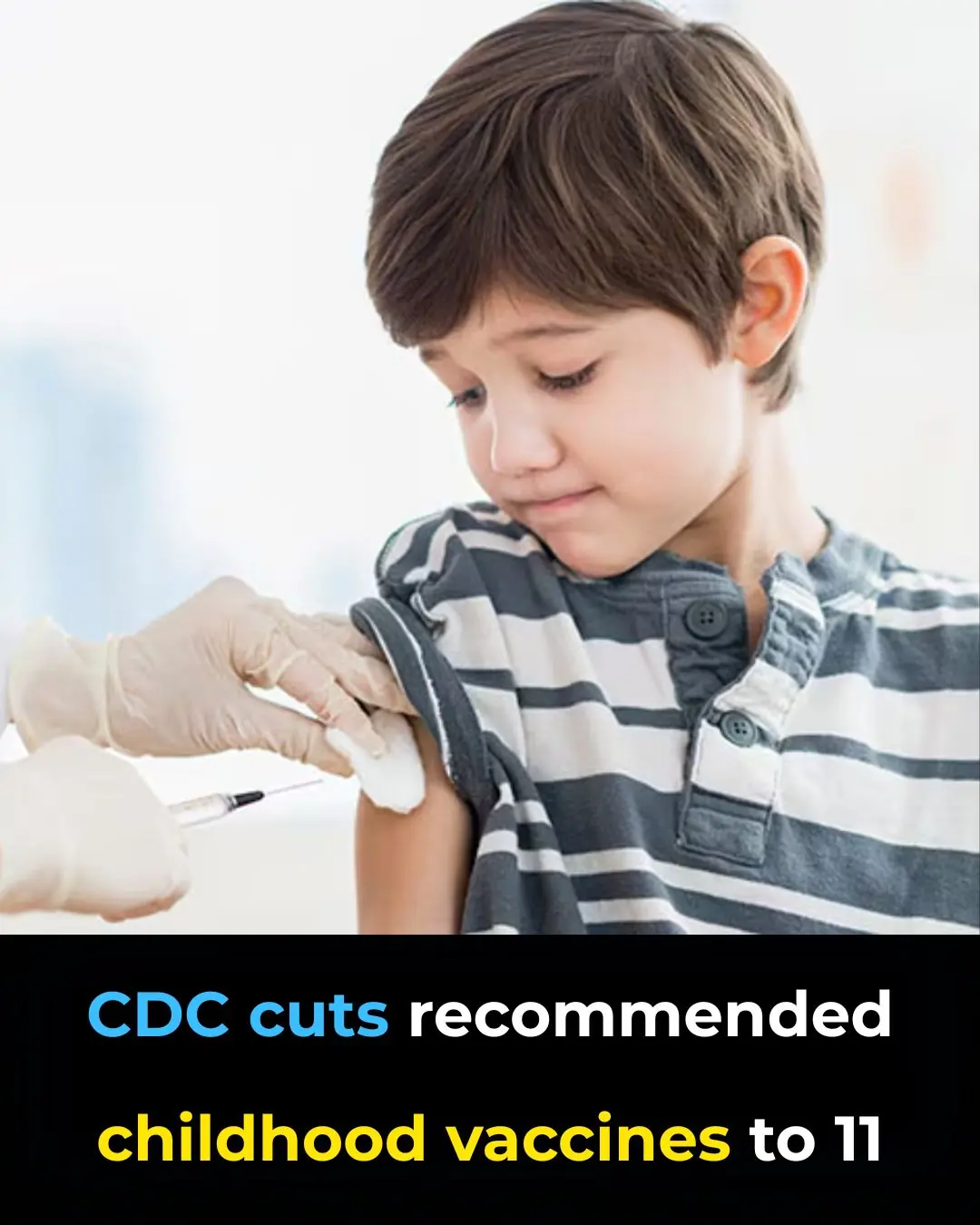
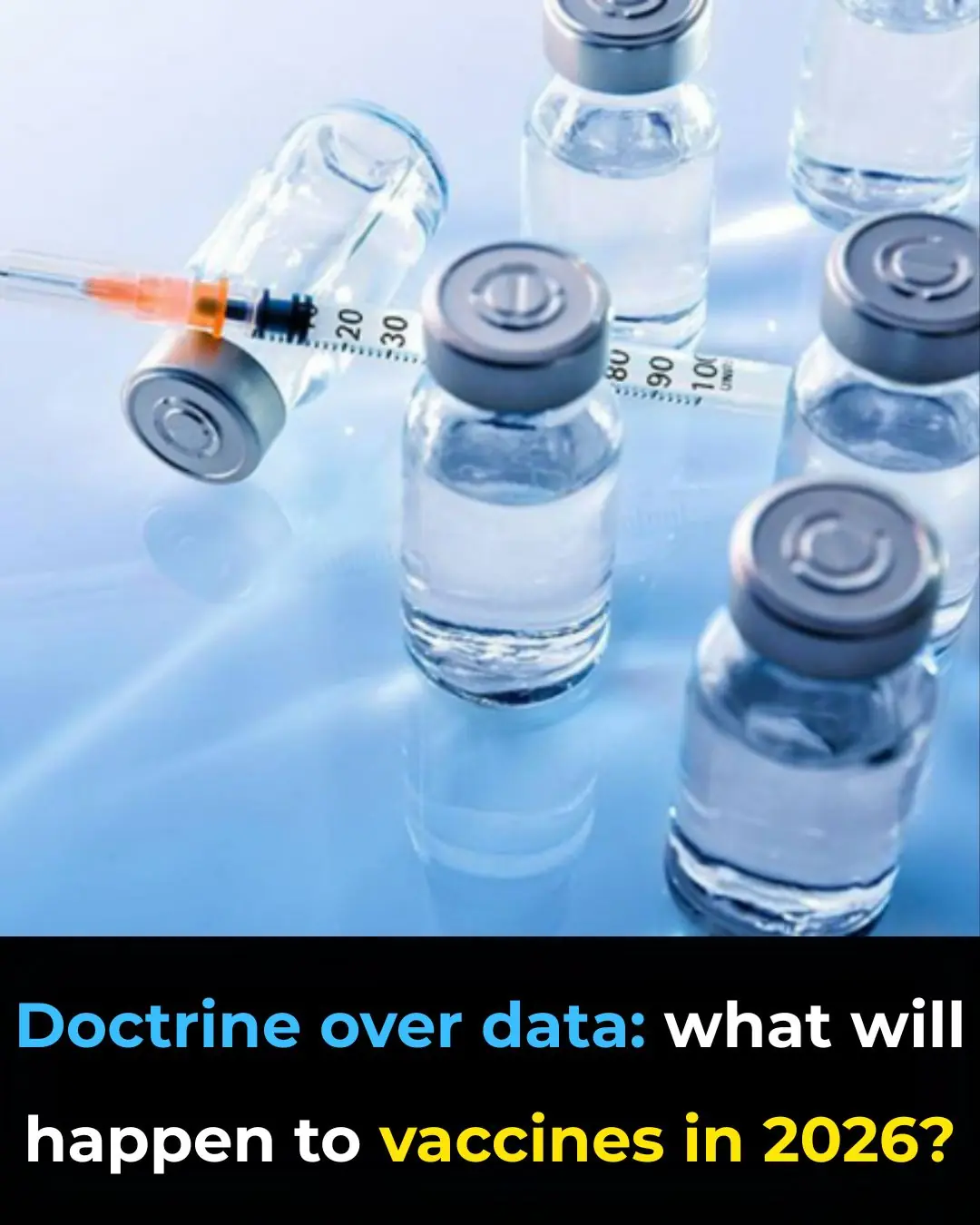
The US Centers for Disease Control and Prevention (CDC) has announced a major restructuring of its childhood immunization recommendations, a move that is already drawing close attention from pediatricians, public health experts, and parents. According to a new press release issued by the Department of Health and Human Services (HHS) on January 5, the updated framework reorganizes childhood vaccines into three distinct recommendation categories, signaling a shift in how vaccine guidance for children will be communicated and applied.
Under the revised childhood immunization schedule, the CDC is no longer presenting all routinely used vaccines as a single, uniform set of recommendations. Instead, vaccines are now grouped into three categories based on the strength and scope of the recommendation and the population for which they are intended.
HHS officials said the change is designed to clarify guidance for clinicians and families by distinguishing between universally recommended vaccines and those that may be more appropriate for specific risk groups.
The first category includes vaccines that the CDC continues to recommend for all children as part of routine childhood immunization. These cover protection against 11 diseases that have long been considered central to pediatric public health in the United States.
Among them are vaccines for:
Measles, mumps, and rubella (MMR)
Polio
Varicella (chickenpox)
Human papillomavirus (HPV)
These vaccines remain foundational to the childhood schedule and are widely viewed as critical to preventing outbreaks of highly contagious or potentially severe diseases. The CDC emphasized that recommendations for these immunizations remain unchanged in terms of their importance for population-level protection.
A notable change appears in the second category, which includes vaccines now recommended primarily for children determined to be at higher risk for specific infections. According to the new schedule, immunizations for the following diseases fall into this group:
Respiratory syncytial virus (RSV)
Meningococcal disease
Hepatitis B
Hepatitis A
Under this approach, vaccination decisions for these diseases are expected to rely more heavily on individual risk assessment. Factors such as underlying medical conditions, exposure risk, household circumstances, travel, or local epidemiology may play a larger role in determining whether a child should receive these vaccines.
The restructuring marks a shift away from a one-size-fits-all presentation of childhood vaccines and toward a more stratified model of guidance. For clinicians, this may mean spending more time evaluating individual risk profiles and discussing benefits and risks with families. For parents, the changes could introduce new questions about why some vaccines are universally recommended while others depend on risk status.
Public health experts note that while risk-based recommendations are not new, formally reorganizing the childhood schedule in this way could affect vaccine uptake and public perception—particularly if the distinctions are misunderstood as reflecting differences in safety or importance rather than differences in population-wide necessity.
The updated childhood schedule comes amid broader debates about vaccine policy, transparency, and trust in public health institutions. Some observers see the new categorization as an effort to respond to growing public scrutiny and demand for individualized medical decision-making. Others worry it could inadvertently fuel confusion or hesitancy if not accompanied by clear, consistent communication.
HHS and CDC officials have stated that the revised structure is intended to improve clarity, not to diminish the value of any vaccine. They stress that all vaccines included in the schedule have been evaluated for safety and effectiveness, and that recommendations are based on current evidence and risk–benefit assessments.
As the new childhood immunization framework is implemented, its real-world impact will depend largely on how effectively it is communicated and applied in clinical practice. Pediatricians, public health agencies, and policymakers will be closely watching vaccination rates and disease trends to assess whether the new structure enhances understanding—or introduces new challenges.
For now, experts continue to emphasize that parents should discuss vaccination decisions with their child’s healthcare provider, taking into account both individual risk factors and the broader goal of protecting children and communities from preventable diseases.