
When GLP-1 Medications Fall Short: Why Some Patients Don’t Lose Weight
Health 13/01/2026 12:43
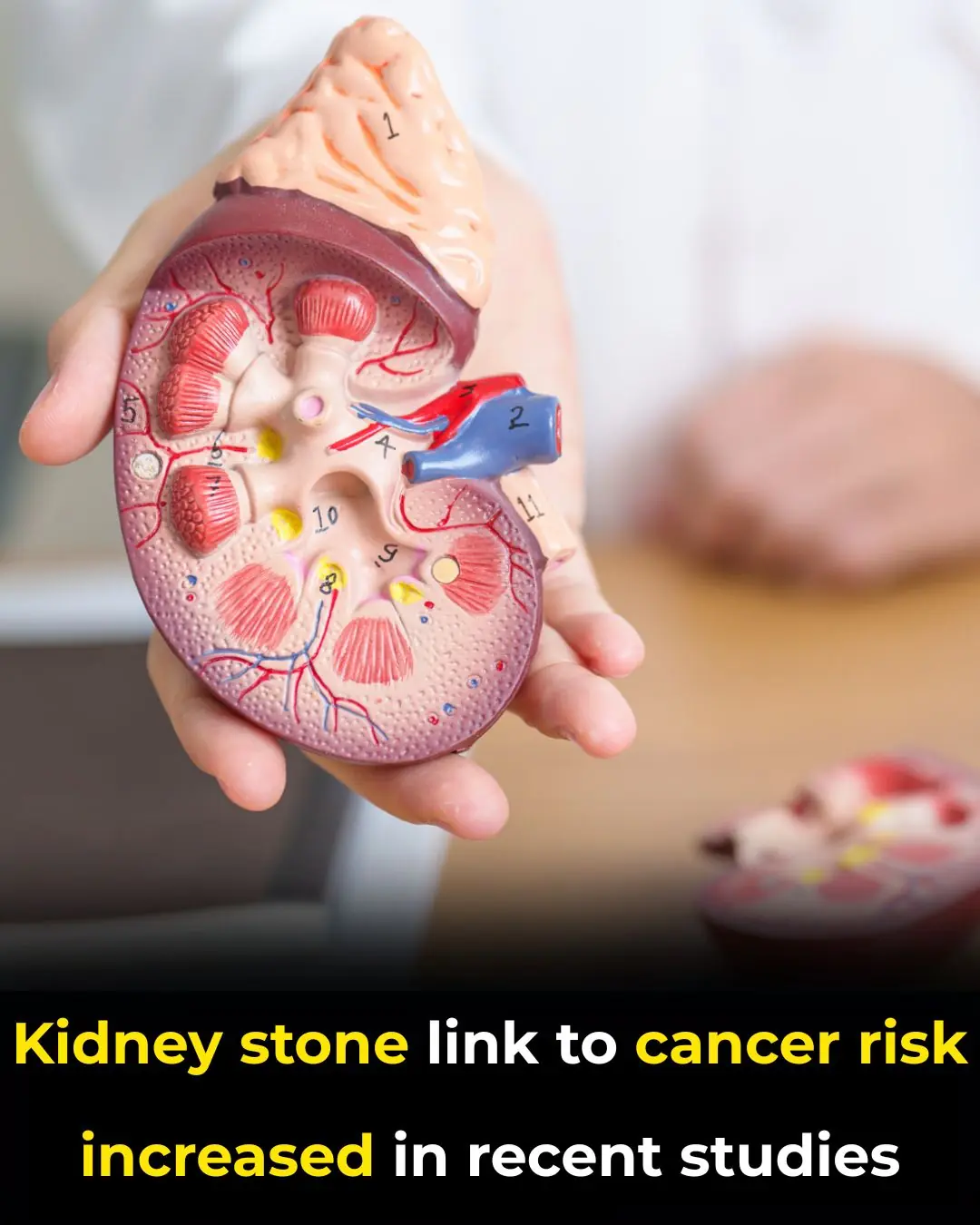
Kidney stones are often thought of as a painful but temporary condition—something that causes acute discomfort, then passes. However, growing scientific evidence suggests that kidney stones may be linked to far more serious long-term health risks. A recent systematic review and meta-analysis has found that people with a history of kidney stones have nearly twice the risk of developing kidney cancer compared with those who have never had stones.
These findings are shifting how clinicians view kidney stones—not just as an isolated urologic problem, but as a possible marker of deeper disease processes.
The analysis pooled data from multiple large studies across different populations and found a consistent pattern: a history of kidney stones was associated with about a twofold increase in kidney cancer risk. This elevated risk was observed across patient subgroups, including different ages, sexes, and geographic regions.
Because kidney cancer is often silent in its early stages and aggressive once advanced, this association is clinically important. It suggests that kidney stones may serve as an early warning sign for patients who would benefit from closer monitoring.
Researchers believe the link between kidney stones and cancer is likely biological rather than coincidental. Several mechanisms may be involved:
Kidney stones repeatedly injure the lining of the urinary tract. Over time, this chronic irritation and inflammation may create an environment that promotes cancer development.
Stone formation generates oxidative stress, which damages DNA and can trigger mutations that lead to cancer.
People who form stones often have underlying metabolic problems—such as insulin resistance, obesity, and altered calcium or oxalate metabolism—which are also known risk factors for kidney cancer.
Stones can block urine flow and promote recurrent infections, both of which can contribute to cellular damage and malignant transformation.
Kidney stones are extremely common, affecting up to 10–15% of people during their lifetime. Kidney cancer, although less common, is one of the more aggressive cancers when diagnosed late.
The new evidence suggests that patients with a history of kidney stones should not simply be treated and forgotten. Instead, they may benefit from:
Periodic kidney imaging
Monitoring for blood in the urine
Early evaluation of new urinary symptoms
Closer follow-up with primary care or urology
Early detection of kidney cancer dramatically improves survival, and identifying high-risk patients could save lives.
If you have had kidney stones, this does not mean you will get kidney cancer. Most people with stones never develop cancer. But it does mean your risk may be higher than average, and that awareness matters.
Patients should:
Stay well hydrated
Manage metabolic risk factors like obesity, diabetes, and high blood pressure
Avoid smoking
Follow up regularly with their healthcare provider
Report symptoms such as persistent flank pain, blood in the urine, or unexplained weight loss
This research highlights an important shift in how we think about chronic conditions. Kidney stones may be more than just a painful episode—they may be a marker of long-term kidney vulnerability.
As scientists continue to investigate the shared biological pathways between stone formation and cancer, clinicians may soon be able to identify which patients need the closest monitoring and most aggressive prevention strategies.