Important Health Clarification: "Clean 15kg of Waste from Your Colon Overnight" Is Not Scientifically Possible
Health 01/06/2026 21:02

Colon cleansing is a general term used to describe various methods aimed at removing excess waste and toxins from the colon, also known as the large intestine. Natural approaches to colon cleansing often include consuming high-fiber foods, probiotic-rich foods, and ingredients that support healthy digestion. In addition, drinking adequate amounts of water, consuming nutritious smoothies, and using certain herbal teas can stimulate the digestive tract and help promote regular bowel movements.
Many online sources claim that colon cleansing improves overall health. Some of the commonly promoted benefits include increased energy, reduced headaches, improved digestion, and even weight loss. However, many of these claims have not been consistently supported by scientific evidence. While some people may feel better after changing their diet, formal studies have not proven that colon cleanses themselves remove toxins or dramatically improve health. (1)
That said, many natural colon-cleansing practices are closely linked to good digestive health. This means you do not need to rely on invasive procedures such as colon hydrotherapy or frequent enemas to support your colon. Instead, maintaining healthy digestion through nutrition and lifestyle choices can naturally prevent waste buildup.
In this article, you will learn about safe, effective, and evidence-based ways to support your digestive system and keep your colon functioning properly.
The colon is a vital part of the digestive system and is commonly referred to as the large intestine. Its primary role is to process waste after nutrients have been absorbed in the small intestine.
According to the American Society of Colon and Rectal Surgeons, partially digested food enters the colon, where beneficial bacteria break down remaining materials. During this process, water, salt, and certain nutrients are absorbed back into the body. Muscular contractions then move the remaining waste through the colon until it is eliminated as stool. (2)
For the colon to work efficiently, a healthy balance of beneficial gut bacteria is essential. When this balance is disrupted or when waste is not expelled regularly, digestive issues such as bloating, constipation, or discomfort may occur. (2)
A well-functioning colon naturally cleanses the body of waste and plays a key role in maintaining overall health and well-being.
Regular bowel movements are important for digestive health, but this does not necessarily mean that artificial colon cleansing is required.
Doctors at the Mayo Clinic report that diets low in fiber and high in fat are associated with an increased risk of colon cancer. Researchers believe this may be due to changes in gut bacteria caused by poor dietary habits, which can lead to inflammation and a higher cancer risk. (3)
Dietary fiber is one of the most effective natural ways to support colon health. Found in whole grains, fruits, vegetables, nuts, and seeds, fiber helps move waste efficiently through the digestive tract. Studies show that fiber reduces the risk of several chronic diseases while promoting regular digestion. (4)
Keeping your colon free from excessive waste is essential, but this can usually be achieved through diet rather than aggressive cleansing methods.
When people hear the term “colon cleansing,” they often think of colon hydrotherapy, a procedure that uses tubes and water to flush out the colon. Supporters of this practice claim it removes toxins and prevents harmful substances from being reabsorbed into the bloodstream. (5)
Other colon-cleansing methods include oral regimens using laxatives, herbal supplements, or detox formulas. However, medical experts emphasize that these approaches are usually unnecessary for healthy individuals.
Doctors agree that colon health can be maintained naturally through a balanced diet rich in fiber and plant-based foods. (5) Increasing nutrient intake while reducing toxin buildup helps improve digestion and supports the body’s natural detoxification systems.
The World Journal of Gastroenterology reported that a healthy gut microbiome is essential for immune function and disease prevention. Diets rich in fruits, vegetables, and fiber improve gut bacteria and help protect the colon from infection and inflammation. (6)
Additionally, foods containing prebiotics and probiotics have been shown to improve digestive health by promoting beneficial bacteria and eliminating harmful microorganisms. (7)
Supporting colon health at home is largely about making consistent dietary choices that nourish the gut and promote regular digestion.
Research published in 2018 showed that balanced nutrition plays a major role in maintaining healthy gut microbiota. Diets with appropriate amounts of carbohydrates, protein, and healthy fats improve intestinal and immune health, particularly in older adults. (8)
Adding fresh juices and smoothies to your diet can help support digestion and promote a healthy colon.
A 2017 study published in Scientific Reports found that consuming fruit- and vegetable-based juices for three days improved gut microbiota and led to modest weight loss in participants. (9)
Fruits and vegetables are rich in antioxidants and polyphenols, which help increase beneficial gut bacteria while reducing harmful toxins. (10) Combining fruit with fermented dairy products like yogurt or kefir further enhances these benefits. (10)
However, juicing removes much of the fiber. For this reason, smoothies that include whole fruits and vegetables are often a better option.
Apples
Eating one to two apples daily has been linked to a reduced risk of colorectal cancer. Apple peels contain particularly high levels of antioxidants that support gut health. (11, 12)
Cranberries
Cranberries have anti-inflammatory properties and help improve gut bacteria balance, increasing the number of beneficial microbes in the colon. (13)
Cruciferous vegetables
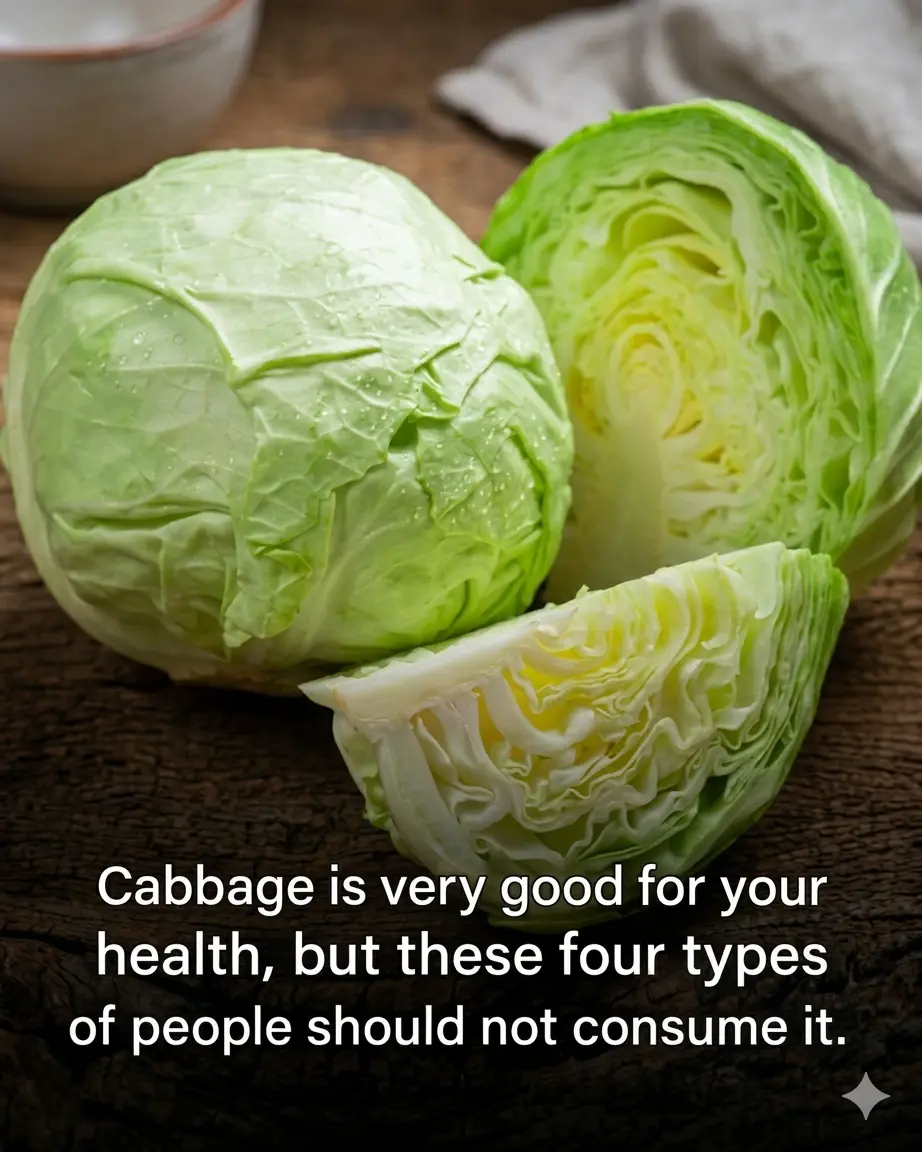
Vegetables such as broccoli, kale, and cabbage contain compounds that support gut bacteria and detoxification. (14)
Kefir
Kefir is a fermented milk drink rich in probiotics. Studies show it helps eliminate harmful microbes, improve digestion, and speed up waste movement through the colon. (15, 16)
Fiber helps waste move through the digestive tract more efficiently, reducing constipation and supporting colon health.
Researchers at Harvard report that most people consume far less than the recommended 20–30 grams of fiber per day. Adequate fiber intake improves bowel regularity and reduces digestive disorders. (17)
Fiber also acts as a prebiotic, feeding beneficial gut bacteria and improving overall digestive balance. (18, 19)
Chia seeds: One tablespoon provides about 5 grams of fiber and omega-3 fatty acids. (22)
Pumpkin seeds: Rich in fiber and omega-3s, pumpkin seeds may also help eliminate intestinal parasites. (23, 24)
Broccoli: Contains sulforaphane, which helps maintain healthy gut bacteria. (25, 26)
Kale: A nutrient-dense vegetable rich in fiber and prebiotics that ease digestion. (27)
Probiotics improve gut health, strengthen immunity, and protect against harmful bacteria. (28)
Foods such as sauerkraut, yogurt, and kefir are excellent probiotic sources. Regular consumption has been shown to improve digestion, reduce constipation, and support intestinal balance. (30–33)
Prebiotic foods—including garlic, onions, leeks, asparagus, oats, and wheat—feed probiotics and further enhance colon health. (19)
Herbal teas support digestion by increasing fluid intake and providing natural compounds that reduce inflammation, fight microbes, and stimulate bowel movements.
Ginger tea supports gut health and has anti-inflammatory and anticancer properties. (34)
Turmeric tea reduces intestinal inflammation and helps eliminate toxins. (35)
Green tea contains catechins that protect the digestive tract and reduce colon cancer risk. (36)
Drinking enough water is essential for digestion and waste elimination. Adequate hydration supports nutrient absorption and protects against gut disease. (37)
Salt water flushes may induce rapid bowel movements, but they carry risks such as nausea and electrolyte imbalance. People with chronic conditions should avoid this method. (38)
In most cases, supporting colon health simply means:
Eating fiber-rich, plant-based foods
Drinking sufficient water
Limiting processed foods and red meat
Including probiotic and prebiotic foods regularly (39)
For constipation, gentle home remedies and natural laxatives are safer than aggressive cleansing methods.
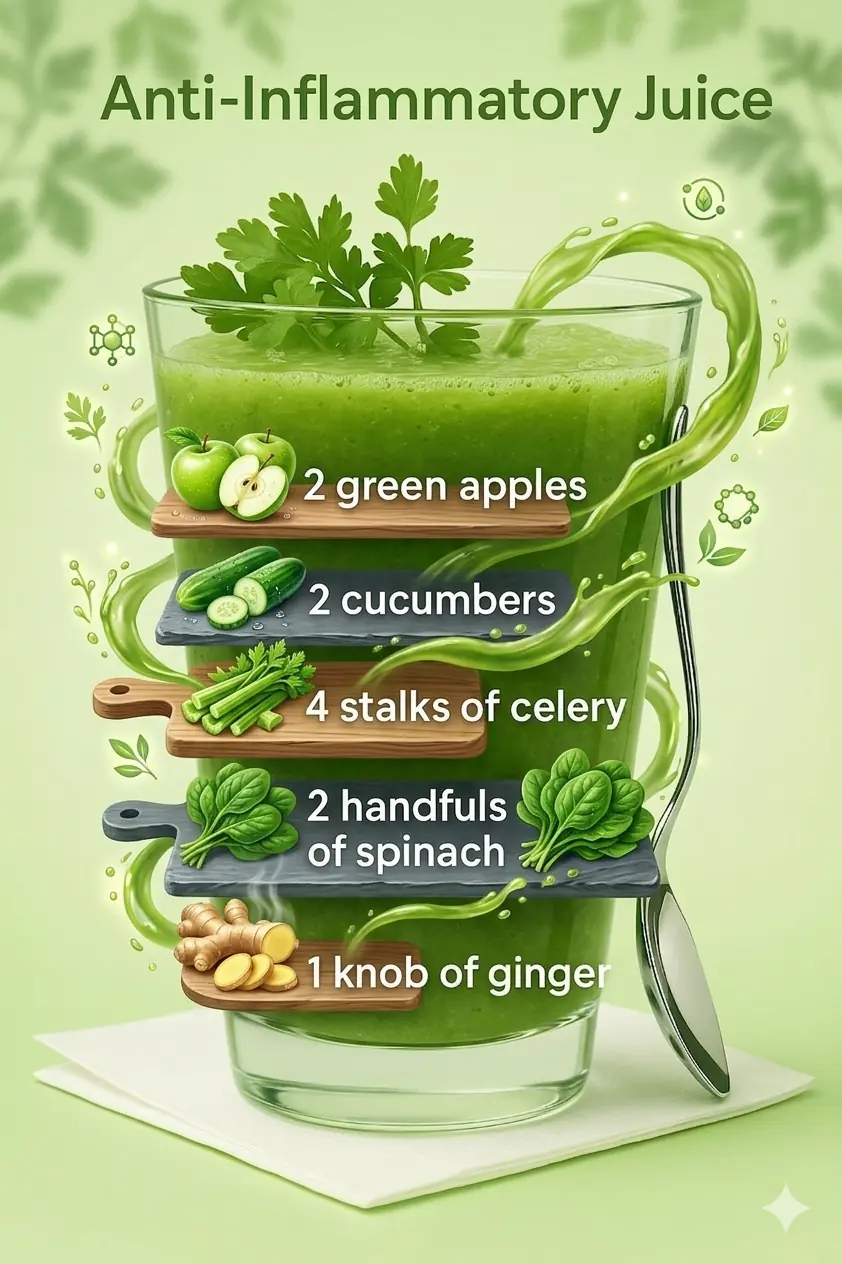
Powerful Green Juice