Cooking Rice with Just Water Is a Beginner’s Mistake: Add These Two Ingredients for Softer, Fluffier, More Fragrant Rice
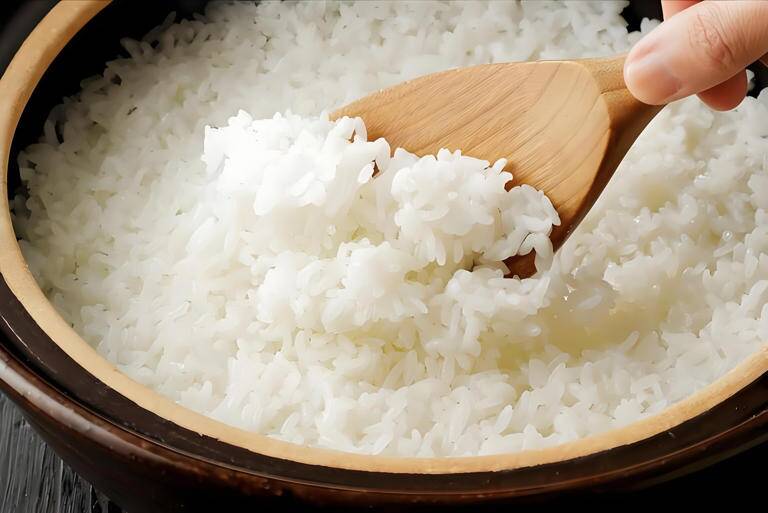
For many people, cooking rice is as simple as rinsing the grains, adding water, and turning on the rice cooker. While this method does produce edible rice, stopping there means you’re missing out on the chance to elevate a basic staple into something truly delicious. With just a small adjustment, you can enjoy rice that is softer, fluffier, pleasantly aromatic, and made up of glossy, well-separated grains.
According to experienced home cooks and professional chefs, the secret lies in adding two very common ingredients to the cooking water. These simple additions require no special skills, yet they make a noticeable difference in both texture and appearance. Surprisingly, this trick is still unknown to many people.
So what’s the secret?
It’s white vinegar and cooking oil.
Why White Vinegar and Oil Make Rice Better
White Vinegar Keeps Rice Shiny, Soft, and Fresh Longer
Many people hesitate to use vinegar when cooking rice, worrying that it will leave a sour taste. In reality, only a few drops are needed—far too little to affect the flavor. Instead, white vinegar helps the rice grains appear whiter, glossier, and slightly more elastic.
Another benefit is that vinegar can help slow down spoilage. Under normal conditions, rice cooked with a small amount of vinegar tends to stay fresh a bit longer, making it especially useful in warm weather or when rice needs to sit for several hours.
Cooking Oil Helps Rice Stay Fluffy and Non-Sticky
Adding a small amount of cooking oil creates a thin coating around each grain of rice as it cooks. This prevents the grains from clumping together and becoming sticky or mushy.
As a result, the rice cooks more evenly, with plump, tender grains that separate easily. The finished rice looks more appetizing, with a subtle sheen, and tastes just as good whether eaten hot or at room temperature.
Step-by-Step Guide to Cooking Perfect Rice
Follow these simple steps to upgrade your everyday rice:
-
Rinse the rice gently
Wash the rice 1–2 times to remove dust and impurities. Avoid excessive washing or scrubbing, as this can strip away the outer bran layer that contains nutrients and natural flavor. -
Drain the rice briefly
Let excess water drip off, but do not let the rice dry out completely. -
Add water as usual
Measure the water based on the type of rice and your personal preference for softer or firmer rice. -
Add white vinegar
Add about 3–5 drops of white vinegar to the pot. -
Add cooking oil
Add ½ teaspoon of cooking oil for every 1–2 bowls of uncooked rice. -
Cook as normal
Turn on the rice cooker or cook the rice using your usual method. -
Let the rice rest
Once the rice cooker switches to “warm,” let the rice sit for an additional 10–15 minutes. This allows the grains to finish steaming evenly, resulting in softer, more fragrant rice.
Final Tip
This simple trick requires no expensive ingredients or special equipment, yet it can dramatically improve the quality of your rice. With just a few drops of vinegar and a touch of oil, your everyday rice will become fluffier, shinier, and more enjoyable—far from the “amateur” version made with water alone.
Give it a try the next time you cook rice, and you’ll likely notice the difference immediately.
Good luck, and enjoy your perfectly cooked rice! 🍚

News in the same category


How to Encourage a ZZ Plant to Flower: Myths, Facts, and Proper Care

Does Adding Ice Cubes to Your Rice Cooker Really Improve Rice? Here’s the Truth

Can Sour Starfruit Really Reverse Premature Gray Hair? What Science Says

7 Foods You Should Never Reheat or Store Overnight After Cooking

A Simple Anti-Nausea Method That Helps You Travel Long Distances Without Medication

After reading this article, you'll definitely want to always carry a lemon with you; it could save your life someday.

Why You Should Never Leave Your Phone Charger Plugged in Without Your Phone

The Real Purpose of the Drawer Beneath Your Stove

7 Vegetables You Should Replant After Harvesting for a Year-Round Food Supply

Boiled duck meat often has an unpleasant smell, but the head chef reveals: Add this ingredient to make the meat incredibly fragrant, and everyone will praise your professional cooking skills.

Soaking Citrus Peels in White Vinegar: A Simple Household Trick You Shouldn’t Waste

When making scrambled eggs with tomatoes, remember not to fry them directly in the pan; this restaurant-style tip will give you delicious, soft eggs to eat with rice.

Warm Salt Water with Honey in the Morning: Does It Really Detox the Body and Protect the Stomach?

If you buy a lot of cilantro, don't put it in the refrigerator right away. With a few extra steps, it will stay fresh and delicious for longer, saving you a lot of money.

Frying fish with these two ingredients will make it crispy and fragrant, prevent it from sticking to the pan, and avoid oil splattering.

Without using salt or vinegar, wash pig intestines with this cheap yellow powder for 5 minutes until they are sparkling clean and odor-free.

Bathroom Grout Gets Dirty Easily: 5 Effective Cleaning Tips to Make It Look Like New Again

Hot Coffee or Iced Coffee: Which One Is Actually Better for Your Health?
News Post

Using Star Apple Leaves to Treat Acid Reflux: A Traditional Remedy

A Simple Natural Way to Get Rid of Mosquitoes Using a Bowl of Water

How to Encourage a ZZ Plant to Flower: Myths, Facts, and Proper Care

Does Adding Ice Cubes to Your Rice Cooker Really Improve Rice? Here’s the Truth

Can Sour Starfruit Really Reverse Premature Gray Hair? What Science Says

7 Foods You Should Never Reheat or Store Overnight After Cooking

A Simple Anti-Nausea Method That Helps You Travel Long Distances Without Medication

Early-stage fatty liver disease: 5 obvious signs that can be noticeable on your face; ignoring them could lead to serious health consequences

Walking Barefoot at Home

Stroke and Cerebral Infarction Prevention:

If You Notice This Sign on Your Ear, Here’s What It Could Mean

After reading this article, you'll definitely want to always carry a lemon with you; it could save your life someday.

Why You Should Never Leave Your Phone Charger Plugged in Without Your Phone

5 Foods That Boost Immunity Better Than Garlic

What Is Stomach Cancer?

How the “3-2-1” Rule Can Help You

What Is the Adam’s Apple

Proven Inflammatory Foods to Avoid According to Science