The Real Purpose of the Drawer Beneath Your Stove
Tips 12/01/2026 22:28

If you buy cilantro (also known as coriander) but don’t use it all at once, don’t rush to throw it away. With just a few simple tips, you can store cilantro for a long time so it’s always ready when you need it — still fragrant, green, and almost as fresh as when it was first harvested.
Cilantro is considered a “star” among herbs thanks to its light, refreshing aroma and its ability to instantly elevate the flavor of any dish. From salads and soups to stir-fried foods, grilled dishes, or even simple garnishes, just a small handful of cilantro can make a meal look more appealing and taste more vibrant.
However, cilantro has one frustrating drawback: we usually only need a small amount at a time. Buying just a few sprigs can be inconvenient, but buying a full bunch often leads to waste because the leaves wilt, turn yellow, or lose their aroma quickly. Unless you plan to use it immediately for fresh eating or wraps, it’s actually smarter to buy a little extra and store it properly. This way, you save both time and money while always having fresh herbs on hand.
Because cilantro is quite delicate and spoils easily if stored incorrectly, proper preparation before storage is extremely important.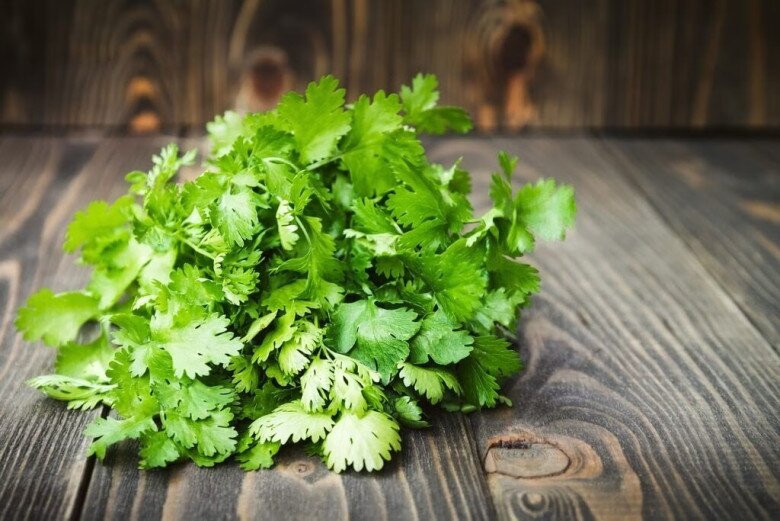
Cilantro has thin leaves and a bright green color that fades quickly when exposed to excess moisture or improper temperatures. If handled carelessly, it can rot, turn yellow, or lose its distinctive fragrance in just a few days. That’s why taking the time to prepare it correctly before storage plays a key role in extending its shelf life and preserving both flavor and appearance.
Remove damaged leaves: Pick out any wilted, bruised, or yellowing leaves. Do not cut off the roots, as removing them causes the herb to lose freshness faster.
Wash thoroughly: Rinse the cilantro in a bowl of clean water 2–3 times to remove dirt.
Soak briefly: Prepare a bowl of diluted salt water with a small amount of baking soda and soak the cilantro for about 10 minutes. This helps remove insect eggs and reduce pesticide residues. Avoid soaking for too long, as it can damage the leaves.
Dry completely: Rinse again with clean water, then let the cilantro drain thoroughly. You can gently pat it dry with paper towels or use a salad spinner to remove excess moisture. This step is crucial — any leftover water can cause the cilantro to spoil faster during storage.
Once the cilantro is clean and fully dry, you can choose one of the following storage methods:
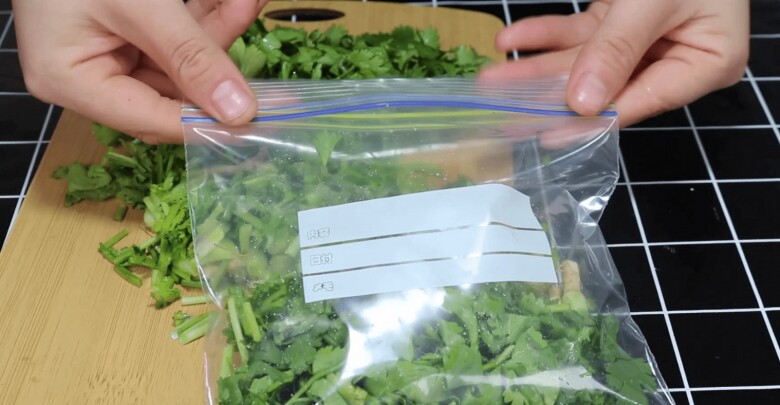
Place the dried cilantro into a large plastic bag, press out as much air as possible, and tie it tightly. Store the bag in the freezer. With this method, cilantro can be preserved for up to 3 months, and it will still maintain good color and aroma when used for cooking.
Spread the prepared cilantro evenly on a sheet of plastic wrap and roll it up gently. Avoid wrapping too tightly to prevent crushing the leaves. Place the wrapped bundle in the freezer. Using this method, cilantro can stay fresh and green for up to 6 months, making it ideal for long-term storage.
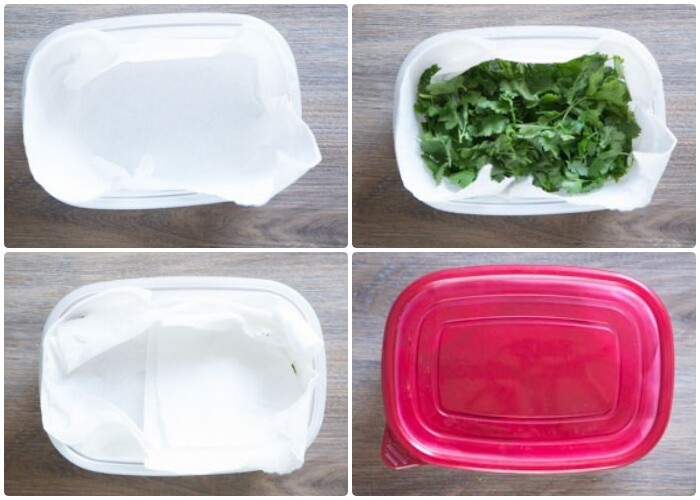
You can chop the cilantro into small pieces or cut it into short segments, depending on your cooking habits. Place it into a dedicated airtight container, seal it well, and store it in the freezer. Thanks to the airtight environment, the cilantro is less likely to turn yellow and can be stored for a longer period while remaining easy to use.
For this method, you don’t need to prepare the cilantro as thoroughly as described above. Simply take the unused portion with roots intact and “replant” it using a simple hydroponic approach. Prepare a clean glass or plastic container, mix water with a small amount of sugar, and stir well. Place the cilantro roots into the solution. The sugar acts as a mild nutrient source, helping the herb stay fresh longer. Just remember to change the water regularly, and your cilantro will remain green, crisp, and usable for an extended time.