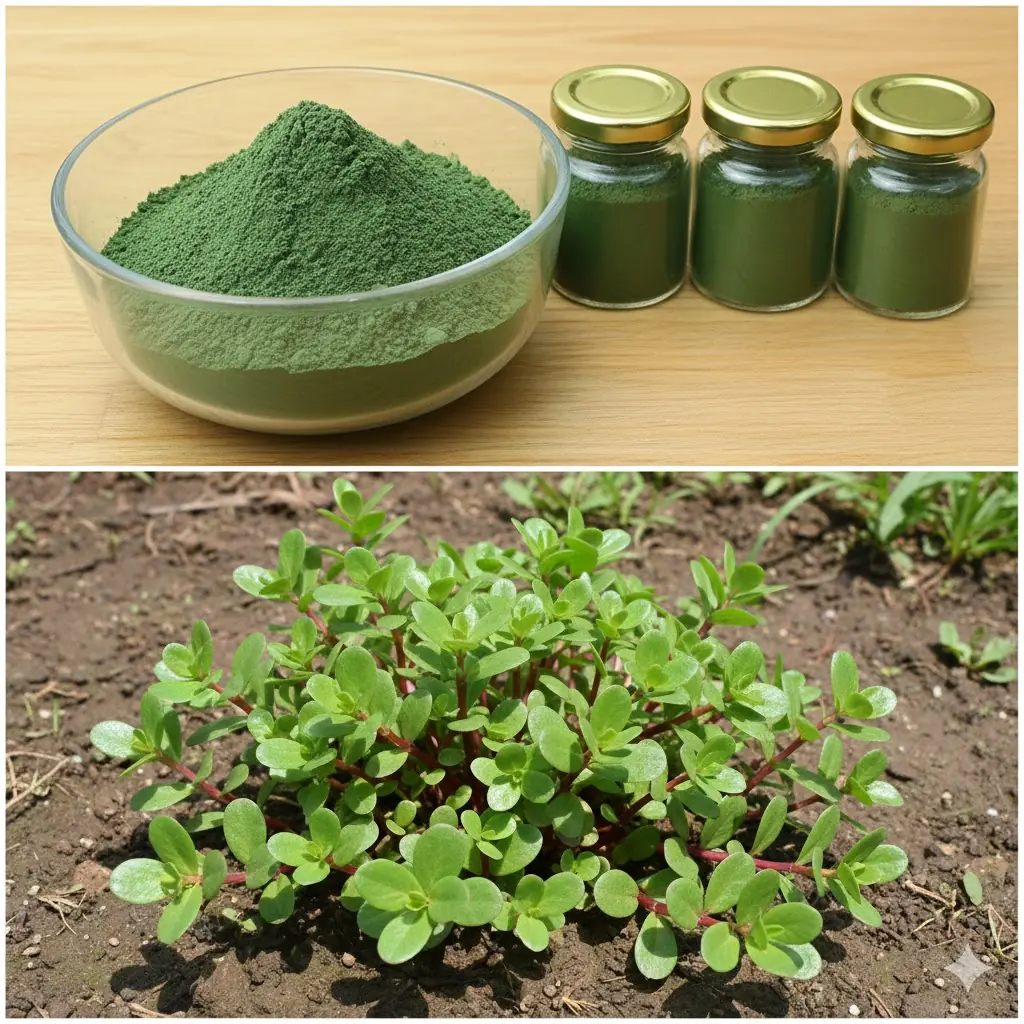
🌿 Horsetail Herb: Nature’s Hidden Gem for Hair, Bones, Skin & More
Health 19/12/2025 08:58
Drinking lemon water has become a popular daily ritual for people looking for a refreshing way to hydrate, boost vitamin C intake, or replace sugary beverages with something lighter. While this simple habit can offer real benefits, like improved hydration and antioxidant support, it’s not entirely free from potential downsides—especially when consumed incorrectly or in excess.
Many online articles exaggerate these downsides, using phrases like “fatal mistakes” to attract attention. In reality, reputable health sources such as Healthline, WebMD, and the Mayo Clinic consistently emphasize that lemon water is generally safe when consumed in moderation. Most concerns are mild, temporary, and easily avoided with a few practical adjustments.
Rather than fearing lemon water, it’s far more useful to understand how to enjoy it safely and comfortably. Below, we’ll break down the most commonly cited concerns, explain why they occur, and show you how to minimize any risks while keeping the benefits.
Lemon water contains citric acid, vitamin C, flavonoids, and antioxidants, all of which may gently support hydration, digestion, and overall wellness. Adding lemon can also encourage people to drink more water throughout the day, which is a major health benefit on its own.
However, lemons are naturally acidic, with a pH between 2 and 3. When consumed in large amounts or without proper dilution, this acidity can irritate sensitive tissues such as tooth enamel or the stomach lining.
Research and clinical guidance suggest that most people tolerate lemon water well when it’s diluted properly—typically the juice of ½ to 1 lemon per day mixed with water. Individual sensitivity varies, and that’s where mindful use becomes important.
The key takeaway: no health habit is dangerous when practiced sensibly. Lemon water is no exception.
Below are 13 frequently mentioned issues, compiled from health websites and expert reviews, along with simple, evidence-based solutions.
Why it happens: Excess acidity may irritate digestion or damage enamel.
Simple fix: Limit each serving to the juice of ½ lemon, well diluted.
Why it happens: Acid may irritate the stomach lining in sensitive individuals.
Simple fix: Drink lemon water with or after food if prone to heartburn.
Why it happens: Concentrated juice increases acid exposure.
Simple fix: Use 8–12 oz of water per 1–2 tablespoons of lemon juice.
Why it happens: Citric acid temporarily softens enamel.
Simple fix: Use a straw and rinse your mouth with plain water afterward.
Why it happens: Brushing softened enamel increases erosion risk.
Simple fix: Wait 30–60 minutes before brushing.
Why it happens: Lemon may worsen reflux symptoms.
Simple fix: Avoid lemon water or consult a healthcare provider.
Why it happens: Citrus has a mild diuretic effect.
Simple fix: Balance lemon water with plain water intake.
Why it happens: Citrus can affect absorption of certain drugs.
Simple fix: Check with a healthcare professional if you take medications.
Why it happens: Compounds like psoralens may slightly increase sun sensitivity.
Simple fix: Use sunscreen, especially with higher citrus intake.
Why it happens: Tyramine in citrus can trigger headaches for some.
Simple fix: Reduce intake if headaches appear.
Why it happens: Pesticides or wax may transfer from the peel.
Simple fix: Wash thoroughly; choose organic if using the peel.
Why it happens: Added sugar negates low-calorie benefits.
Simple fix: Use sweeteners sparingly—or skip them altogether.
Why it happens: Marketing myths exaggerate benefits.
Simple fix: View lemon water as flavored hydration, not a cure-all.
| Concern | Why It Happens | Simple Fix |
|---|---|---|
| Tooth enamel erosion | High acidity | Use a straw, rinse mouth, limit to 1–2 glasses |
| Heartburn/reflux | Increased stomach acid | Drink with meals or avoid if prone |
| Dehydration | Mild diuretic effect | Increase plain water intake |
| Digestive upset | Too much on empty stomach | Dilute and pair with food |
These guidelines align with recommendations from Healthline and WebMD.
To make lemon water a genuinely positive habit:
Start with ½ lemon in 8–12 oz of warm or room-temperature water
Use a straw to protect tooth enamel
Rinse your mouth afterward; brush later
Limit intake to 1–2 glasses per day
Pay attention to how your body responds and adjust accordingly
Use lemon slices instead of juice for a milder effect
Infuse overnight in the fridge for convenience
Pair with balanced meals to support digestion and hydration
Lemon water can be a refreshing, low-calorie way to improve hydration and increase vitamin C intake—but like any habit, it works best when practiced mindfully. Most commonly cited “mistakes” are neither severe nor dangerous and can be avoided with proper dilution, timing, and dental care.
Supported by guidance from Healthline, WebMD, and other medical sources, these small adjustments allow you to enjoy lemon water comfortably and safely. If you have existing conditions such as acid reflux, migraines, or dental sensitivity, consulting a healthcare professional ensures personalized guidance.
How much lemon water is safe per day?
For most people, 1–2 glasses daily using ½–1 lemon total is well tolerated.
Does lemon water permanently damage teeth?
No. Enamel softening is temporary, and proper habits prevent long-term damage.
Is lemon water better hot or cold?
Either is fine. Warm water may feel more soothing, but benefits are similar.
Disclaimer:
This article is for informational purposes only and does not constitute medical advice. Lemon water may cause discomfort for some individuals. Consult a healthcare professional if you have concerns related to digestion, dental health, or chronic conditions. Individual responses may vary.