High Blood Sugar Warning Signs
Health 07/12/2025 00:40
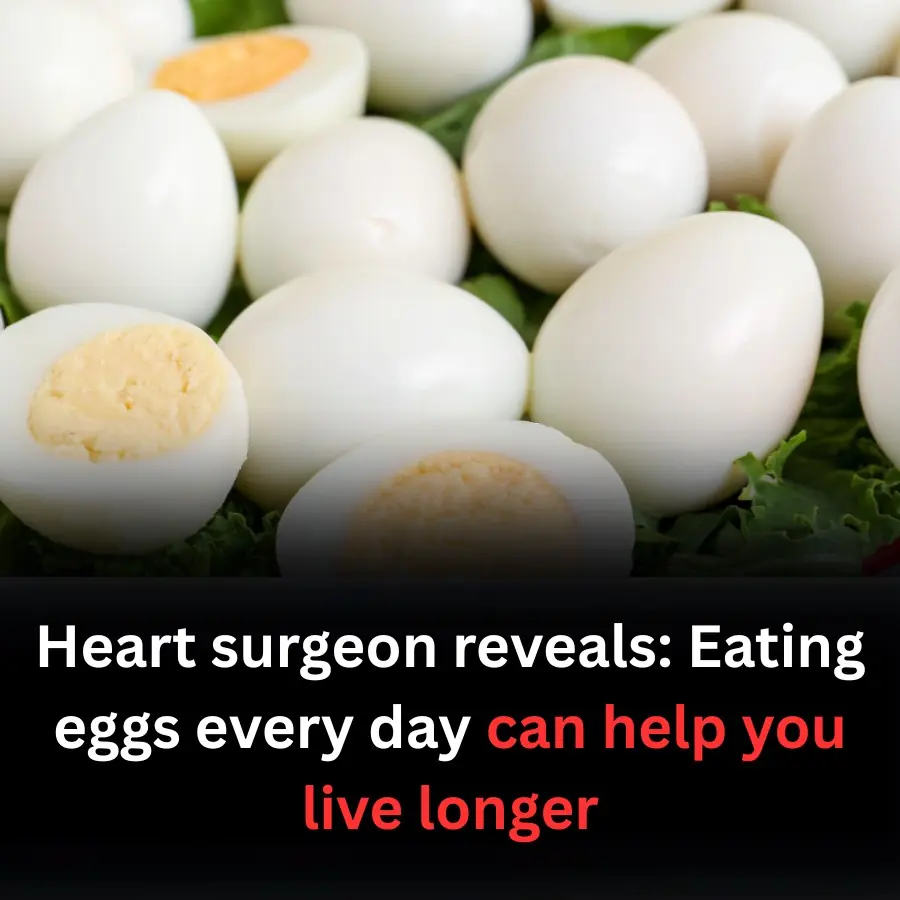
Eggs have long been a dietary staple around the world, but modern scientific insights continue to reveal just how powerful this simple food can be. According to Dr. Jeremy London, a cardiovascular and thoracic surgeon based in Georgia, USA, eggs are one of the most complete, affordable, and beneficial foods for promoting long-term health. Far from being a dietary risk, eggs provide a rich combination of essential nutrients that support the heart, brain, vision, and overall metabolism.
A single large egg contains an impressive balance of high-quality protein, essential fatty acids, vitamins, minerals, and antioxidants. This combination makes eggs not only versatile but also one of the most nutrient-dense foods available.
Eggs contain all nine essential amino acids in an optimal ratio, qualifying them as a complete protein. This supports:
Muscle building and repair
Tissue regeneration
Enzyme production
Steady energy levels throughout the day
For older adults, this is particularly important because maintaining muscle mass helps prevent frailty and supports healthy aging.
Eggs are among the richest natural sources of choline, a nutrient often lacking in modern diets. Choline plays a vital role in:
Memory formation
Nervous system communication
Liver function
Cellular membrane integrity
Egg yolks contain a wide range of essential micronutrients, including:
Vitamin D – supports immunity and calcium absorption
Vitamin B12 – critical for red blood cell formation and energy metabolism
Vitamin A & E – protect skin and eye health
Folate – supports cellular repair and fetal development
Egg yolks also contain lutein and zeaxanthin, potent antioxidants that:
Shield the retina from blue light
Reduce the risk of age-related macular degeneration
Support long-term eye health
As Dr. London states, “Eggs are like a natural multivitamin—nutrient-rich, inexpensive, and easy to prepare.”
For decades, eggs were unfairly labeled as a high-cholesterol food to avoid. One egg contains about 186 mg of cholesterol, but modern research shows that dietary cholesterol has far less impact on blood cholesterol levels than previously believed.
Dr. London explains that:
70% of people are “low responders” whose cholesterol levels do not significantly change with egg consumption.
The remaining 30% are “high responders”, but even for them, both LDL (“bad”) and HDL (“good”) cholesterol rise proportionally—keeping the cholesterol ratio balanced.
Even in high responders, studies confirm that eating eggs does not increase the risk of heart disease when part of a healthy diet.
“The issue is not the egg—it’s the overall diet and lifestyle,” Dr. London emphasizes.
When consumed appropriately, eggs provide multiple cardiovascular benefits:
Eggs help control appetite due to their rich protein and healthy fat profile. Maintaining a healthy weight is a key factor in reducing cardiovascular risk.
Some studies suggest that egg consumption can improve endothelial function, contributing to:
Better blood flow
More flexible blood vessels
Reduced risk of plaque buildup
Antioxidants in eggs help counteract:
Chronic low-grade inflammation
Oxidative damage to blood vessels
Both of which play a role in heart disease.
Eggs enriched with omega-3 fatty acids—typically from hens fed flaxseed or fish oil—can:
Reduce triglycerides
Support healthier cholesterol levels
Improve overall heart health
Most nutrients, including antioxidants and vitamins, are found in the yolk.
Pasteurized eggs or omega-3 enriched eggs are ideal for cardiovascular health.
Avoid deep frying. Prefer:
Boiled
Poached
Lightly pan-fried with minimal oil
Combine eggs with:
Vegetables
Whole grains
Legumes
This adds fiber, antioxidants, and sustained energy to the meal.
Although eggs are safe for most people, individuals with chronic conditions should routinely check:
Blood lipids
Blood pressure
Blood sugar
To Dr. London, eggs deserve recognition as a longevity-supporting food—not just for their nutritional profile but for their accessibility and practicality. Eggs are:
Affordable
Widely available
Quick to prepare
Suitable for all ages
Easy to include in any meal of the day
“If there is one food that is inexpensive, nutrient-rich, heart-healthy, and capable of supporting a longer life—it is eggs,” Dr. London concludes.
With consistent and mindful consumption, eggs can play a powerful role in maintaining cardiovascular health, supporting brain function, strengthening immunity, and promoting overall well-being.
This article is for educational purposes only and does not replace professional medical advice. Individuals with chronic illnesses or specific dietary concerns should consult a healthcare provider or nutritionist before making significant dietary changes.