High Blood Sugar Warning Signs
Health 07/12/2025 00:40
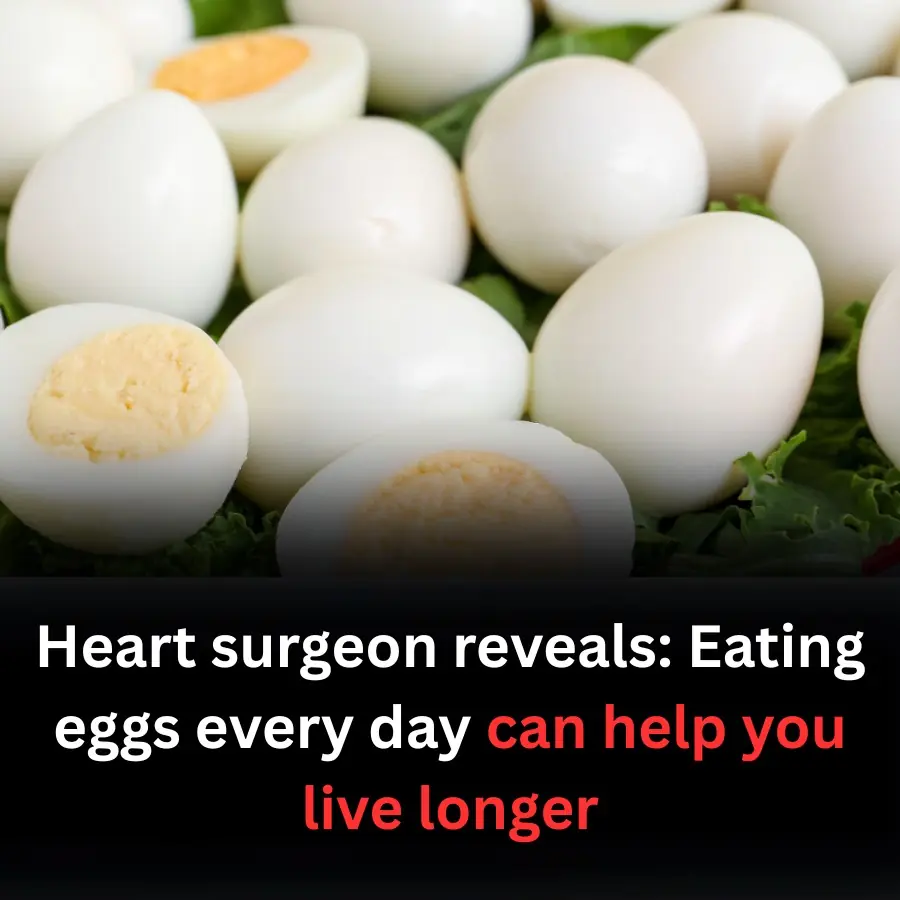
Boiled eggs are one of nature’s simplest and most reliable superfoods.
They’re:
Easy to carry
High in protein
Rich in nutrients like choline, selenium, vitamin D, and antioxidants
Whether eaten at breakfast, sliced over a salad, or enjoyed as a quick snack, boiled eggs remain a favorite for millions of people around the world.
But with changing nutrition guidelines and growing conversations about cholesterol, many people now wonder:
Are boiled eggs really heart-healthy?
How many eggs are too many?
Should the yolk be avoided?
The truth is more nuanced than old diet myths suggest.
👉 Eggs are nutrient-dense — but how often you eat them and what your overall diet looks like play a major role in heart health.
Let’s unpack what modern research tells us, so you can enjoy your eggs wisely, confidently, and without unnecessary worry.
Because true wellness isn’t about restricting wholesome foods —
it’s about understanding them.
Each part of the egg brings unique benefits:
Fat-free
Cholesterol-free
Contains ~3.6g of clean, high-quality protein
Low in calories
Packed with vitamins A, D, E, K, and B12
Contains iron, choline, healthy fats, and antioxidants
Approximately 185 mg of dietary cholesterol
💡 A single large boiled egg averages 70–80 calories and 6–7 grams of complete protein, containing all nine essential amino acids.
Choline → Supports brain, nerve, and liver health
Lutein and zeaxanthin → Aid eye health and may protect vision
Selenium → Strengthens antioxidant defenses
With so many benefits, why the debate?
It all comes down to the relationship between dietary cholesterol and heart health.
For many years, eggs were viewed with suspicion.
The yolk — rich in dietary cholesterol — was believed to clog arteries and raise heart disease risk.
However, updated research paints a very different picture:
For most healthy adults, dietary cholesterol has a limited effect on blood LDL (“bad”) cholesterol.
Saturated fat — especially from processed meats and fried foods — has a far stronger influence on heart disease risk than egg yolks.
Response to dietary cholesterol varies by individual genetics and metabolism.
📌 Because of these findings, the 2020–2025 Dietary Guidelines for Americans removed the previous cap on dietary cholesterol. Instead, they emphasize healthy eating patterns over strict limits.
👉 Most people can safely enjoy up to one whole egg per day — including the yolk — without harming heart health.
This includes boiled, poached, or any preparation that doesn’t add excessive unhealthy fat.
While eggs are safe for the majority, some individuals benefit from mindful intake:
| Group | Why Moderation Matters |
|---|---|
| People with high LDL cholesterol | May be more responsive to dietary cholesterol |
| Individuals with diabetes | Some studies show a slight rise in heart-risk with >1 egg/day |
| Those with familial hypercholesterolemia (FH) | Genetic condition makes cholesterol control critical |
| Anyone instructed by a doctor to restrict cholesterol | Medical guidance takes priority |
🩺 If you fall into one of these categories, speak with a healthcare professional — but don’t assume eggs must be removed entirely. Moderation often works better than elimination.
Eggs can stay in your diet — you just need thoughtful habits.
Try:
1 whole egg + 2 egg whites
This creates:
Lower cholesterol per serving
High protein content
The same satisfying texture
Perfect for salads, grain bowls, or quick meal prep.
Instead of relying on eggs every day, rotate with other heart-friendly options:
Greek yogurt
Beans and lentils
Salmon, sardines, or trout
Skinless chicken
Tofu, tempeh, or edamame
🥗 A diverse diet supports better long-term cardiovascular health.
Often it’s not the egg —
it’s the unhealthy sides.
Avoid pairing eggs with:
Bacon or sausage (high sodium + saturated fat)
Fried hash browns
Butter-soaked toast
Instead, try:
Whole-grain toast with avocado
Spinach salad drizzled with olive oil
Fresh berries, sliced fruit, or steamed vegetables
🍽️ A heart-healthy plate is about the whole meal, not one ingredient.
| Myth | Reality |
|---|---|
| “An egg a day increases heart attack risk.” | False — large population studies show no increased risk for healthy adults. |
| “Egg whites are healthier than yolks.” | Misleading — yolks contain most nutrients; whites provide pure protein. Both matter. |
| “All cholesterol is harmful.” | Not true — your body needs cholesterol to make hormones and maintain cell membranes. |
| “One boiled egg will spike my cholesterol.” | Unlikely — genetics and overall diet have far greater impact. |
| Habit | Benefit |
|---|---|
| Limit to 1 whole egg/day (unless advised otherwise) | Keeps dietary cholesterol balanced |
| Choose boiled, poached, or baked eggs over fried | Avoids extra saturated fats |
| Enjoy eggs within a Mediterranean-style diet | Promotes heart-protective nutrition |
| Use boiled eggs in salads, bowls, and sandwiches | Adds protein without unhealthy sides |
| Refrigerate boiled eggs and eat within 5 days | Ensures safety and freshness |
📊 Large studies like the Framingham Heart Study and the Nurses’ Health Study show no significant link between moderate egg intake and heart disease in the general population.
You don’t need to fear the egg carton —
you just need to make informed choices.
So next time you boil a batch, pause and ask:
Who am I cooking for?
What else is on my plate?
How often do I eat eggs during the week?
Then enjoy your meal — mindfully, confidently, and without guilt.
Because real heart health isn’t built on restriction, fear, or food rules.
It’s built on balanced habits that support your body day after day.
And that kind of steady balance?
It lasts far longer than any nutrition trend —
one boiled egg at a time.