Preventing Stroke At Any Age: 3 “Don’ts” After Meals—And 4 “Don’ts” Before Bed
Health 22/07/2026 20:55

Canned tuna is widely appreciated as one of the most convenient and nutrient-packed foods available. It’s inexpensive, requires no cooking, and delivers a strong nutritional punch — especially for those who want a quick and satisfying source of protein. While it certainly offers multiple health advantages, relying on it daily can also bring some drawbacks that are worth understanding.
Below is a closer, more detailed look at what happens to your body when canned tuna becomes an everyday staple — including the benefits, the potential risks, and smart ways to enjoy it safely.
Canned tuna serves as an exceptional source of lean, complete protein — essential for repairing tissues, supporting immune health, and maintaining overall cellular function.
A standard 100-gram serving provides roughly 25 grams of protein, nearly half of an average adult’s daily requirement.
Regular consumption can help maintain and build muscle mass, making canned tuna especially useful for athletes, busy professionals, or anyone following a weight-loss or high-protein diet.
Because tuna is naturally low in fat and calories, it can also help keep you full for longer periods, reducing unhealthy snacking.
Tuna is naturally rich in omega-3 fatty acids, which are linked to numerous long-term health benefits:
Reducing inflammation
Lowering triglyceride levels
Supporting cardiovascular health
Enhancing cognitive function and mental clarity
Including tuna in your diet several times a week can improve heart health and sharpen brain function. However, daily consumption isn’t always ideal due to other factors such as mercury exposure — making balanced intake especially important.
Canned tuna delivers a wide range of micronutrients that play crucial roles in overall wellness:
Vitamin D: Promotes bone health, improves immune resilience, and helps regulate mood.
Vitamin B12: Essential for nerve function, DNA synthesis, and the formation of healthy red blood cells.
Selenium: A powerful antioxidant that protects cells from oxidative stress and boosts thyroid function.
Together, these nutrients contribute to better energy levels, improved metabolism, and stronger immunity.
The biggest concern with eating canned tuna daily is its potential mercury content. Mercury accumulates in larger fish, and tuna — especially albacore, bigeye, and other large species — can contain moderate to high levels.
Excessive mercury exposure may lead to:
Neurological issues
Developmental delays in children
Concentration and memory problems
Increased risks for pregnant or breastfeeding women
FDA guidelines recommend limiting tuna intake to 2–3 servings per week to stay within safe limits. Eating it every day, especially the higher-mercury varieties, may exceed recommended exposure levels over time.
Many canned tuna products, particularly those packed in brine, contain high amounts of sodium. Consuming too much sodium can:
Increase blood pressure
Strain the heart
Raise the long-term risk of cardiovascular disease
Healthier choice:
Opt for water-packed, low-sodium, or no-salt-added options to better control your sodium intake.
Some canned foods — including certain brands of tuna — use cans lined with Bisphenol A (BPA). This chemical has been linked to potential hormonal disruption, fertility issues, and even increased cancer risk in long-term exposure.
To reduce BPA intake:
Choose brands that clearly state “BPA-free packaging.”
Rotate canned tuna with fresh or frozen fish when possible.
Besides mercury and sodium, canned tuna can be affected by common concerns associated with canned foods:
Preservatives and additives: Some products include flavor enhancers or stabilizers that may negatively affect health when consumed excessively.
Reduced freshness: The fish may not be as fresh as frozen or recently caught varieties, which can impact texture and nutritional value.
Nutrient loss: The canning process involves high heat, which can degrade heat-sensitive nutrients, particularly certain B vitamins.
Though these issues don’t make canned tuna unsafe, they’re worth considering if it’s a daily part of your diet.
If you want to enjoy canned tuna while minimizing risks, consider these practical guidelines:
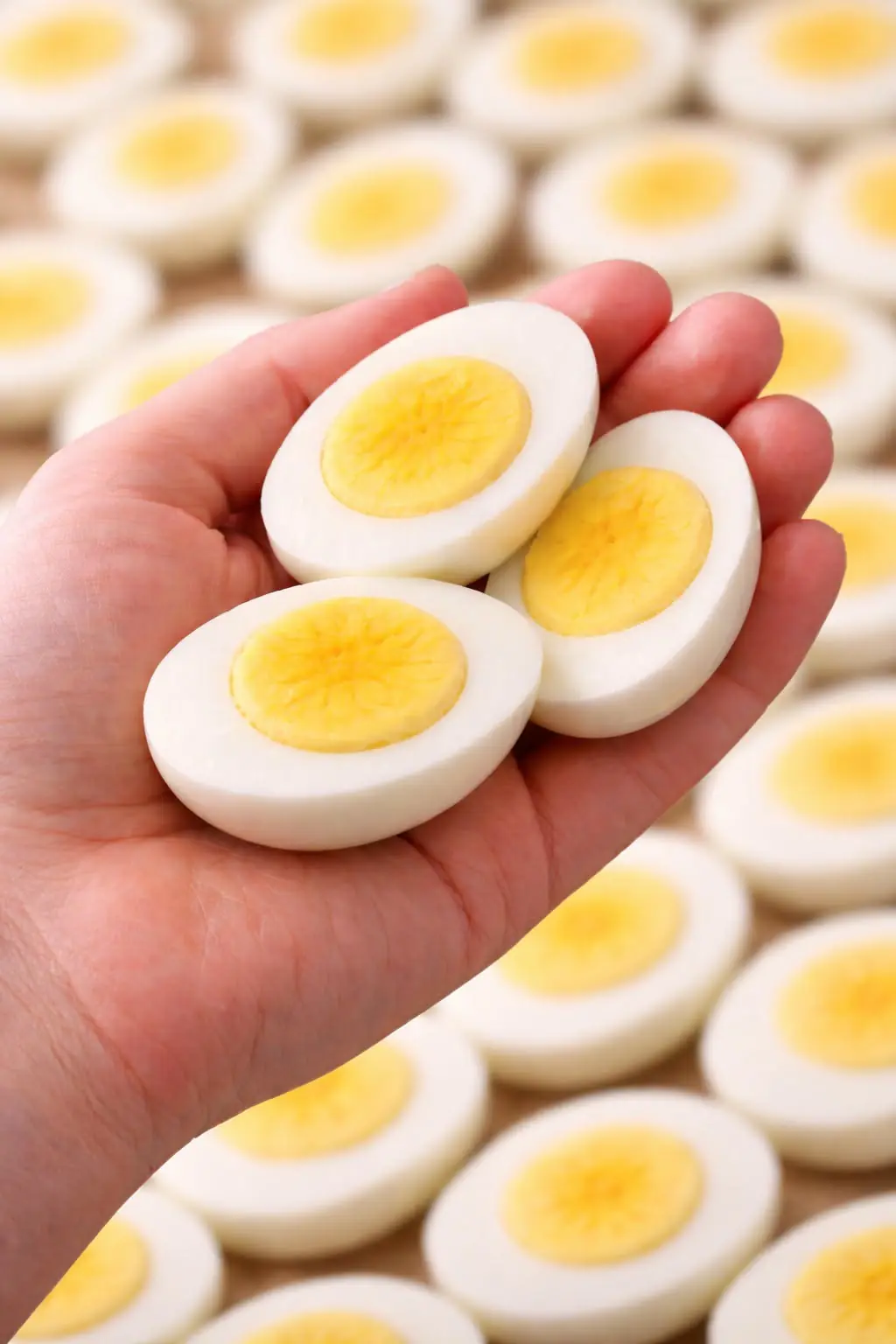
✔ Vary your protein sources — incorporate eggs, chicken, beans, tofu, and other fish.
✔ Choose water-packed, low-sodium, or no-salt-added versions.
✔ Limit intake to 2–3 servings per week to stay within safe mercury levels.
✔ Select BPA-free cans whenever possible.
✔ Alternate between light tuna and skipjack, which typically contain lower mercury levels.
Canned tuna is nutritious, budget-friendly, and extremely versatile — offering high-quality protein, beneficial omega-3 fats, and essential vitamins and minerals. But while it can play a valuable role in a healthy diet, eating it every day may increase your risk of mercury exposure, excessive sodium intake, and BPA absorption.
Moderation is key. By choosing reputable brands, limiting your weekly intake, and balancing tuna with other protein sources, you can enjoy all the benefits of canned tuna safely and responsibly.