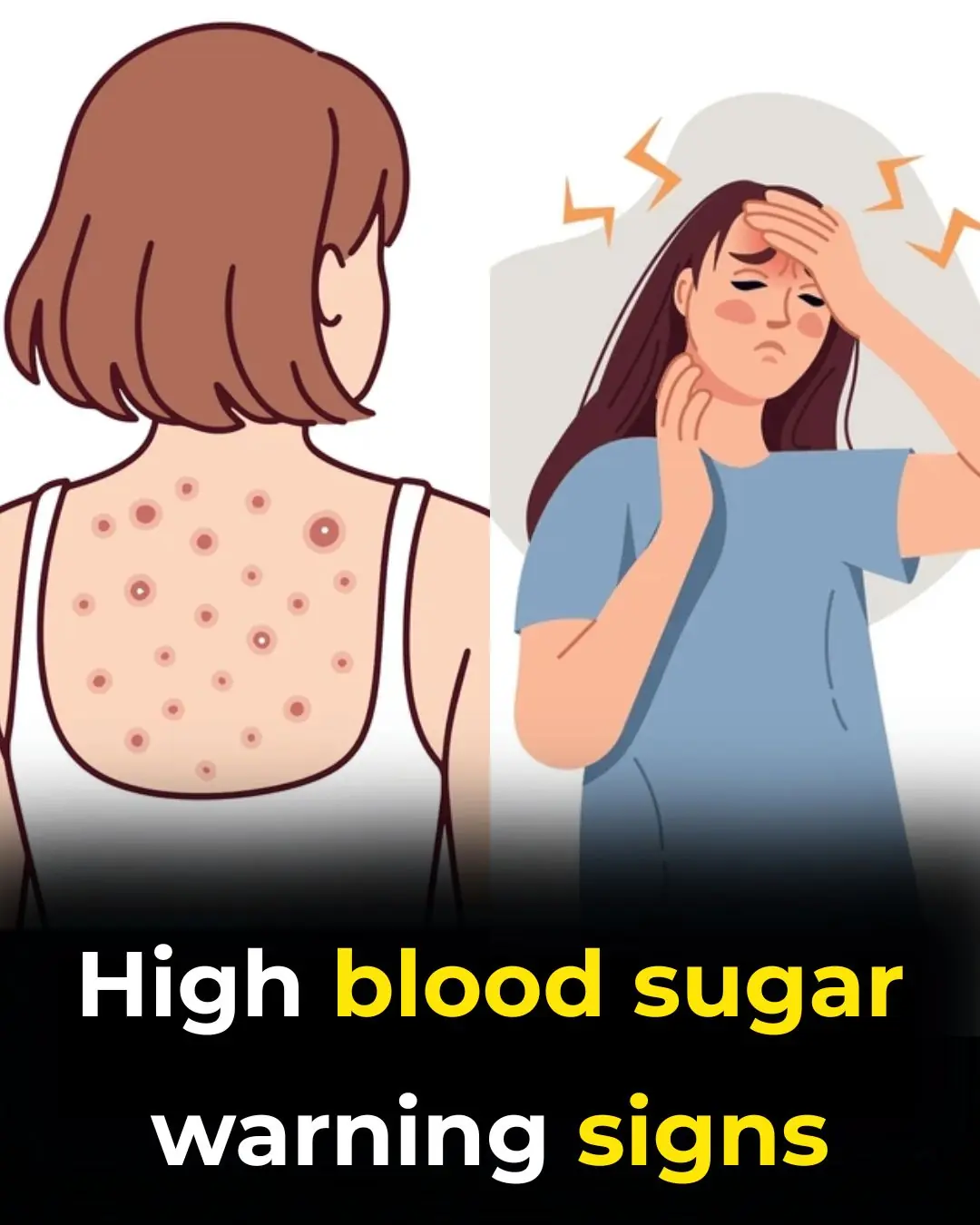
High Blood Sugar Warning Signs
Health 07/12/2025 00:40
A new study published in the European Heart Journal has brought renewed attention to a serious and often overlooked complication of diabetes: a sharply increased risk of sudden cardiac death. This life-threatening event occurs when the heart abruptly stops beating, usually without warning. According to researchers, people living with either type 1 or type 2 diabetes face dramatically higher odds of experiencing it—and the condition contributes substantially to reduced life expectancy in diabetic populations.
People with diabetes have a much higher risk of sudden cardiac death than the general population.
The likelihood of dying from sudden cardiac arrest is 3.7 to 6.5 times higher for individuals with diabetes.
This elevated risk significantly shortens overall life expectancy.
The study analyzed nationwide Danish health data from 2010 and found striking differences between diabetic and non-diabetic groups. Among adults with type 2 diabetes, the risk of sudden cardiac death was 6.5 times higher, while those with type 1 diabetes faced a 3.7-fold increase.
The danger is even more pronounced at younger ages. Individuals under 50 years old had a seven-fold higher risk compared with their peers without diabetes—a finding that shocked many cardiologists. For type 1 diabetes, the highest rates of sudden cardiac death occurred in adults aged 30 to 40, while the peak for type 2 diabetes was 40 to 50.
The consequences for longevity were equally alarming. On average, the study found that individuals with type 1 diabetes lost more than 14 years of life expectancy, while those with type 2 diabetes lost nearly 8 years—with sudden cardiac death accounting for a major share of these lost years.
Researchers believe several mechanisms tied to diabetes may contribute to the elevated risk:
Chronically high blood sugar, which damages blood vessels and accelerates cardiovascular disease
Diabetic nerve damage, which can disrupt the heart’s electrical system
Higher rates of arrhythmias, including silent or unnoticed abnormalities
Underlying cardiac structural changes that worsen over time
Although the study identifies a strong association, it does not prove direct causation. Still, the findings are consistent with decades of research showing that diabetes fundamentally alters heart function and increases vulnerability to fatal rhythm disturbances.
While sudden cardiac death is notoriously difficult to predict, experts agree that individuals with diabetes can take steps to reduce their risk. Cardiologists emphasize:
Regular cardiovascular evaluations with a qualified physician
Aggressive blood sugar control, using tools such as newer medications
SGLT2 inhibitors and GLP-1 agonists, which have shown promise in lowering cardiovascular risk in diabetics
Implantable cardioverter-defibrillators (ICDs) for those at exceptionally high risk
Lifestyle strategies that support heart health, including diet, exercise, and blood pressure management
In addition, technology may offer new layers of protection. Smartwatches equipped with advanced cardiac monitoring can detect dangerous rhythm changes or signs of cardiac arrest and automatically call emergency services. This could be especially critical for people with type 1 diabetes, who have a higher rate of unwitnessed sudden cardiac events.
The study’s findings reinforce a message many cardiologists have stressed for years: diabetes is not only a blood-sugar condition—it is a powerful cardiovascular disease accelerator. Understanding the risks and taking early action may help prevent tragedies and extend life expectancy for millions of people worldwide.