The "Freedom Ride": A New Chapter for a Shelter Survivor
Life stories 30/12/2025 17:58
In the high-stakes world of animal rescue, forty-eight hours can be the difference between a tragic end and a triumphant beginning. For a frail, fearful dog named Clementine, those two days were all that stood between her and a euthanasia appointment at a crowded Southern California shelter. Her journey from a nameless stray on "death row" to a beloved companion is a testament to the power of digital advocacy and the resilience of the canine spirit.
Clementine was discovered wandering the harsh streets of Southern California—a region currently grappling with a severe overpopulation crisis in its municipal shelters. When she arrived at the facility, she was the definition of "broken." Emaciated, suffering from a host of untreated medical conditions, and paralyzed by fear, she refused to make eye contact with staff or volunteers.
According to reports from The Los Angeles Times, shelters across the region have seen a dramatic surge in intake numbers post-pandemic, leading to "critical capacity" levels where even highly adoptable dogs are placed on euthanasia lists due to a lack of space. Because of her health issues and shut-down demeanor, Clementine was deemed "unadoptable" by standard metrics, placing her at the very top of the list.
While Clementine sat in the back of her kennel, her time literally running out, a single photograph was uploaded to a local rescue network. That grainy, heartbreaking image caught the eye of Chelsea, a woman whose intuition told her there was a vibrant soul hidden beneath the matted fur and trembling frame.
"She was terrified of people," Chelsea recalled, describing the initial encounter. "She wouldn't look anyone in the eye; she had simply given up."
This phenomenon is often described by veterinary behaviorists as "learned helplessness." According to the UC Davis School of Veterinary Medicine, dogs in high-stress shelter environments can become so overwhelmed by noise and confinement that they retreat into a catatonic state. To the untrained eye, these dogs seem "antisocial," but to rescuers like Chelsea, they are simply dogs in mourning for a life they never had.
Saving Clementine was only the first step. Her medical records indicated a laundry list of ailments common in neglected strays: severe malnutrition, skin infections, and the psychological scars of life on the streets. The cost of such rehabilitation is often the primary reason these dogs are euthanized in municipal systems.
Chelsea’s commitment involved months of patient "decompression." Following the "3-3-3 Rule" advocated by organizations like Best Friends Animal Society, Clementine was given:
3 Days to feel safe enough to eat and sleep.
3 Weeks to realize she was not going back to the shelter and to start showing her personality.
3 Months to build a bond of total trust with her new family.
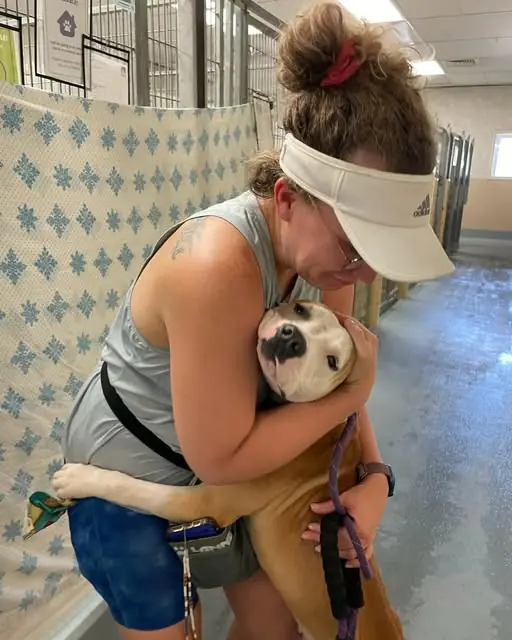
Today, the dog who once hid in the corner of a concrete cell is unrecognizable. Clementine’s physical transformation—her coat now glossy and her frame filled out—is eclipsed only by her emotional growth. She no longer avoids eye contact; instead, her eyes search for Chelsea’s every time they go for a walk.
Clementine’s story is a rallying cry for the "underdogs" of the shelter system. It highlights the desperate need for foster parents and the vital role of social media in saving lives. Without that one digital post and one person's willingness to look past the "death row" label, Clementine would have been just another statistic. Instead, she is a living reminder that every dog, no matter how broken, is only one "yes" away from a miracle.
| Category | Statistic | Source |
| Annual Euthanasia | Approximately 390,000 shelter dogs are euthanized annually in the U.S. | ASPCA |
| SoCal Intake | California shelters saw a 15% increase in intake in 2023-2024. | Best Friends Animal Society |
| Health Impact | Chronic stress in shelters can suppress a dog's immune system by 40%. | UC Davis Vet Med |