6 “Money-Saving” Habits That Can Quietly Increase the Risk of Cancer
Health 12/01/2026 15:48
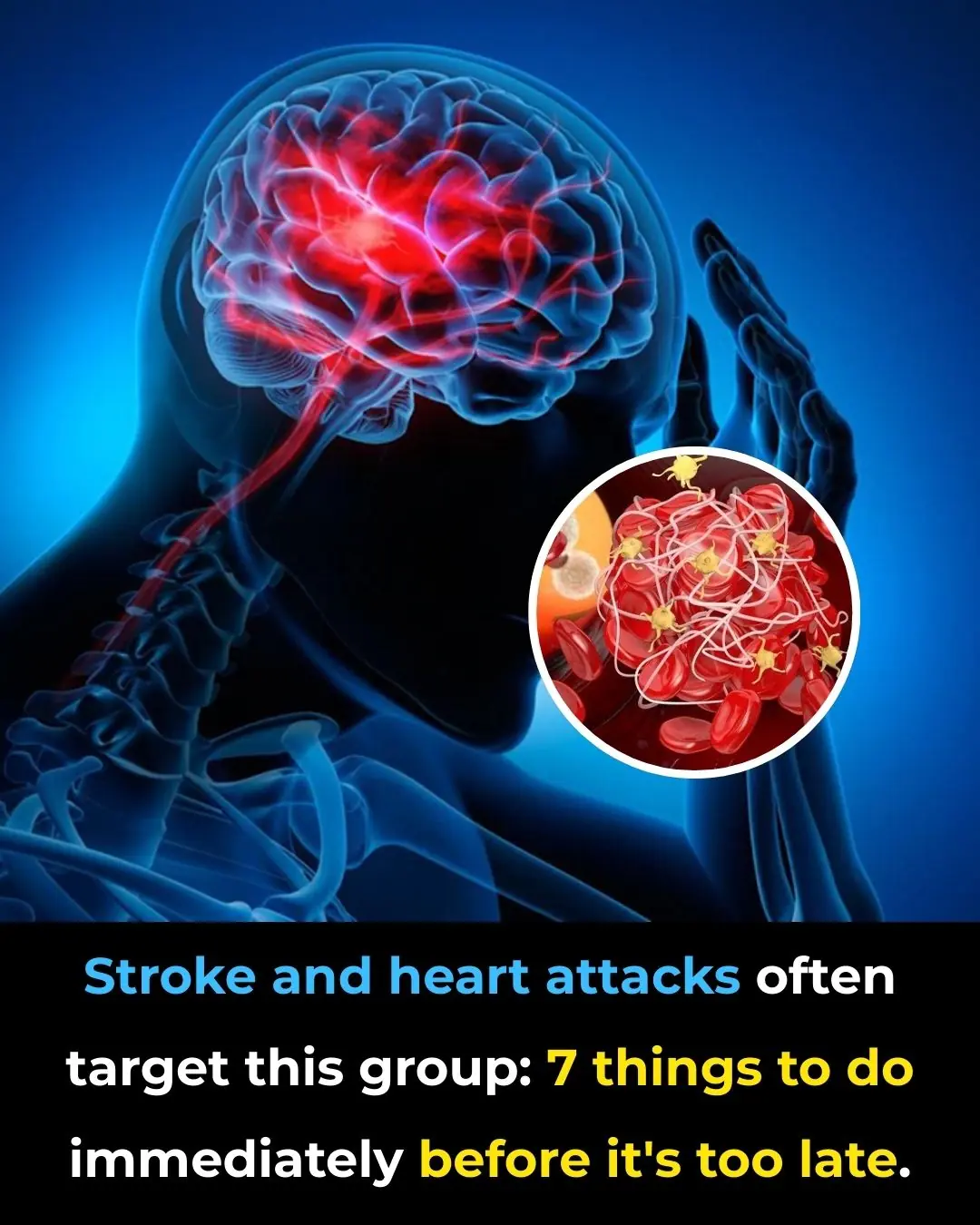
A health organization has warned that people with a common medical condition may face a significantly higher risk of stroke and heart attack. Fortunately, there are several effective ways to reduce this risk.
According to the UK’s National Health Service (NHS), high blood pressure—also known as hypertension—is a widespread condition that occurs when the force of blood against the walls of the arteries remains consistently too high.
Arteries are blood vessels responsible for carrying blood from the heart to the rest of the body. While a certain level of pressure is necessary to maintain healthy blood flow, excessive pressure can damage blood vessels and vital organs.
Over time, high blood pressure greatly increases the risk of cardiovascular diseases, including stroke and heart attack.
The NHS states that hypertension is usually diagnosed when blood pressure readings consistently exceed 140/90 mmHg.
So what are the main contributors to high blood pressure, and what can be done to lower the risk of heart attack and stroke?
According to the NHS, people at higher risk of developing hypertension include those who:
Have kidney disease
Have diabetes
Have hormonal disorders such as Cushing’s syndrome (a condition where the body produces too much steroid hormone)
Suffer from obstructive sleep apnea
Use certain herbal remedies
Take specific medications, such as oral contraceptives
The NHS advises: “If you are concerned that your medication may be affecting your blood pressure, speak to a healthcare professional.”
In addition, certain lifestyle habits can significantly increase the risk of high blood pressure, including:
Eating a diet high in fat
Consuming too much salt
Lack of physical activity
Being overweight or obese
Smoking
Drinking excessive amounts of alcohol
Chronic stress
Using certain recreational drugs
One of the most concerning aspects of high blood pressure is that it often has no obvious symptoms. However, in rare cases, people may experience:
Persistent headaches
Blurred or double vision
Frequent nosebleeds
Shortness of breath
If left untreated, high blood pressure can lead to serious and potentially life-threatening complications, including stroke and heart attack. It may also cause:
Arterial blood clots
Abdominal aortic aneurysm (AAA)
Kidney disease
Vascular dementia
To reduce the risk of complications associated with high blood pressure, the NHS recommends the following actions:
Exercise regularly
Reduce alcohol consumption
Follow a healthy, low-fat diet
Limit salt intake
Aim to lose weight if you are overweight or obese
Reduce caffeine consumption
Try relaxation techniques such as yoga or meditation
Taking these steps early can significantly improve blood pressure control and protect long-term heart and brain health.