6 “Money-Saving” Habits That Can Quietly Increase the Risk of Cancer
Health 12/01/2026 15:48
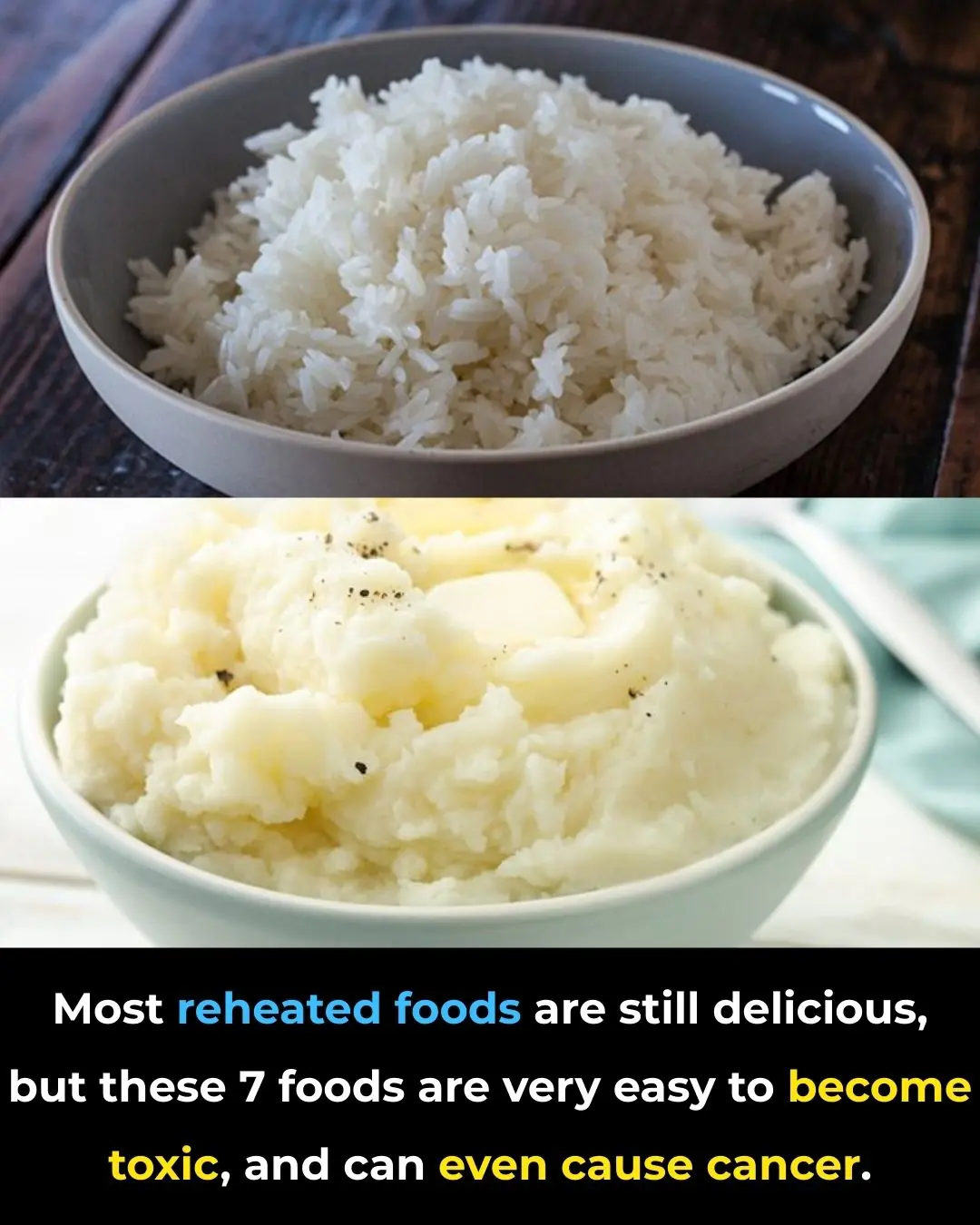
Reheating leftovers is a convenient way to save time and reduce food waste. Many cooked dishes still taste good after being warmed up again. However, some common foods can become unsafe—or even harmful—if they are stored or reheated incorrectly.
According to food safety experts, the risk does not come from reheating alone, but from a combination of improper storage, time spent at room temperature, and insufficient reheating temperatures. Below are seven types of food that require special caution.
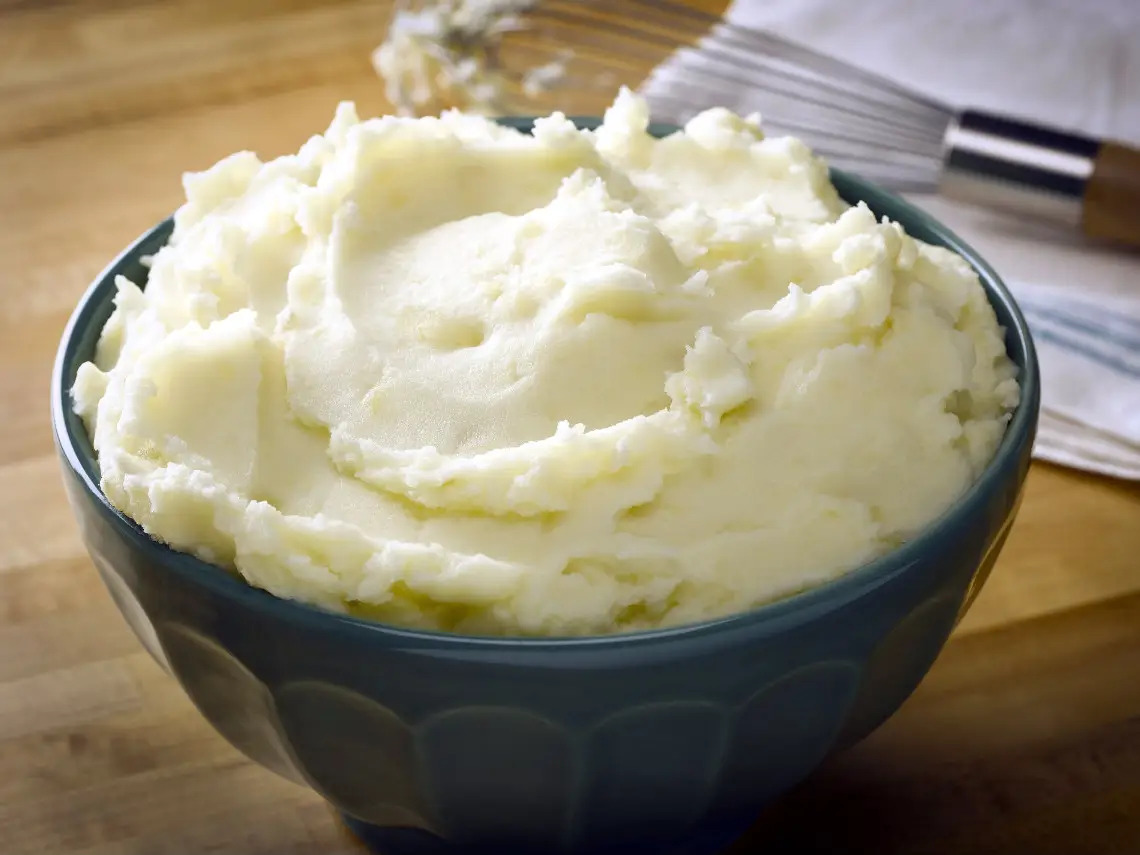
Cooked potatoes that are left to cool at room temperature for too long—especially when wrapped tightly in aluminum foil—can create conditions favorable for the growth of Clostridium botulinum, a bacterium that produces dangerous toxins.
Reheating often does not reach a high enough temperature to destroy these toxins. If cooked potatoes are not refrigerated promptly after cooking, it is safer to discard them rather than reheat and consume them.
Mushrooms contain proteins that break down easily when exposed to enzymes and bacteria. If mushrooms are left at room temperature for extended periods and then reheated, they may cause stomach pain, nausea, or digestive discomfort.
If reheating is necessary, mushrooms should have been stored properly in the refrigerator and reheated to at least 72°C (162°F). Even then, they should be consumed immediately.
The U.S. Food and Drug Administration (FDA) advises that cooked eggs and egg-based foods should not be left unrefrigerated for more than two hours (or one hour in hot weather).
Bacteria such as Salmonella can multiply rapidly, and reheating does not always guarantee complete elimination—especially if heat distribution is uneven, as can happen in microwave ovens.

Seafood is extremely sensitive to temperature changes. If it is freshly cooked and promptly refrigerated, reheating is generally safe. However, seafood that has been left at room temperature for more than two hours (or one hour in hot conditions) carries a high risk of bacterial contamination.
When storage conditions are uncertain, reheating seafood is not recommended, as heat may not destroy all harmful bacteria or toxins.
Spinach is naturally high in nitrates. When reheated, nitrates can convert into nitrites and then into nitrosamines—compounds associated with cancer risk and reduced oxygen transport in the blood.
For this reason, spinach and similar leafy greens are best eaten immediately after cooking and should not be reheated, especially in a microwave.
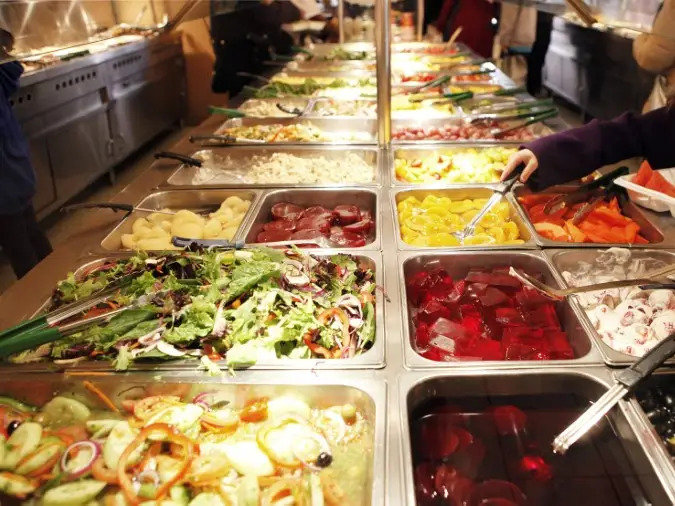
Food brought home from parties or buffet-style events is particularly risky. Such dishes often sit at room temperature for several hours, creating ideal conditions for bacterial growth.
Reheating cannot reliably eliminate all pathogens. Food safety guidelines recommend discarding perishable foods that have been left out for more than two hours (or one hour in hot weather).
Cooking oils have specific heat tolerance limits. When oily foods are reheated—especially in a microwave—the fats can break down, producing smoke and potentially harmful compounds.
It is not advisable to reheat greasy foods in a microwave. If reheating is necessary, use lower temperatures in an oven, or preferably consume these foods immediately after cooking.
Reheating food can be practical and economical, but food safety should always come first. When there is uncertainty about storage conditions, time spent at room temperature, or unusual smell or texture, the safest option is to avoid reheating and consuming the food.
When in doubt, it is better to discard questionable leftovers than to risk foodborne illness or long-term health effects.