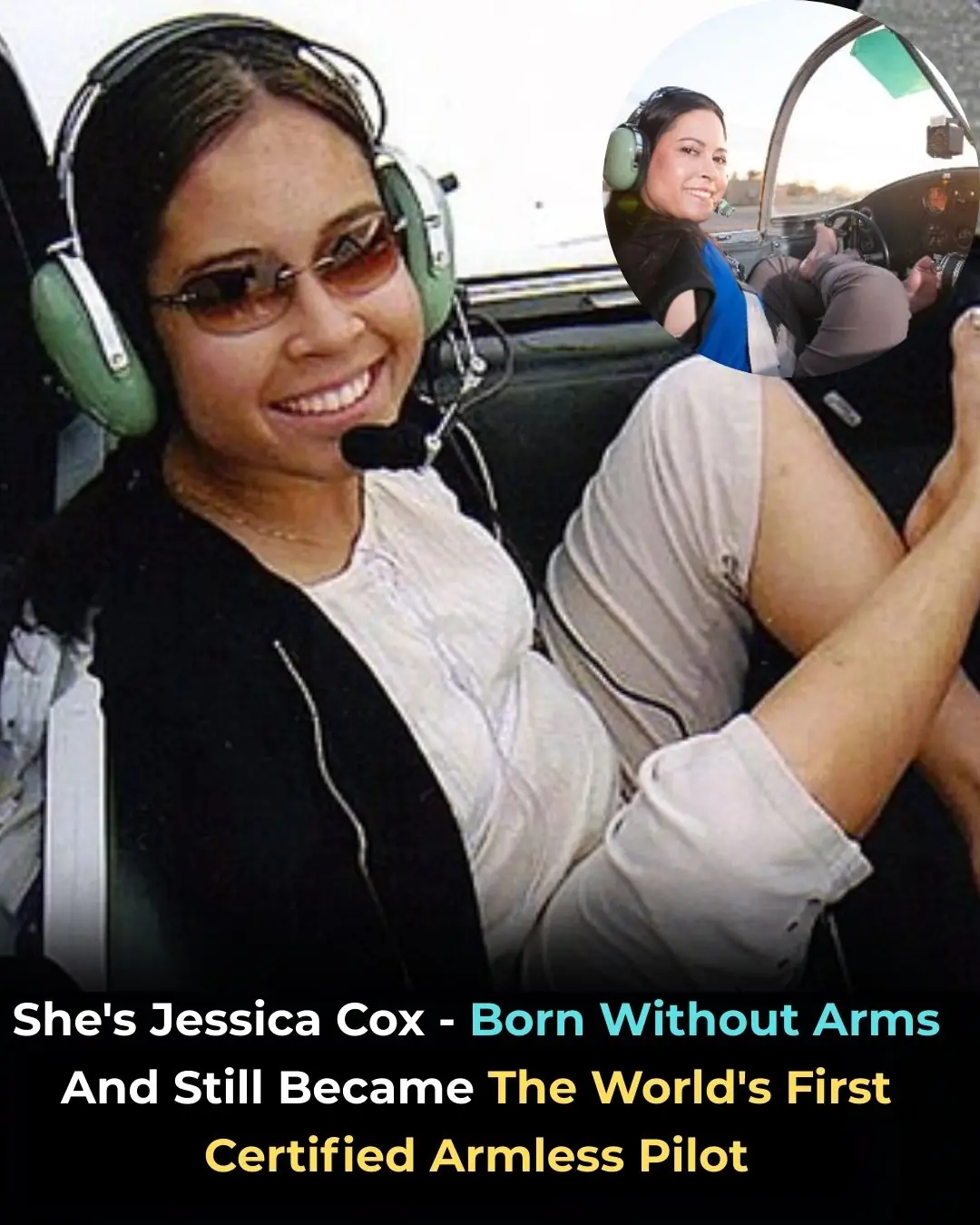
Jessica Cox: The World’s First Licensed Armless Pilot and Her Journey to Inspire the Impossible
Facts 12/12/2025 00:14
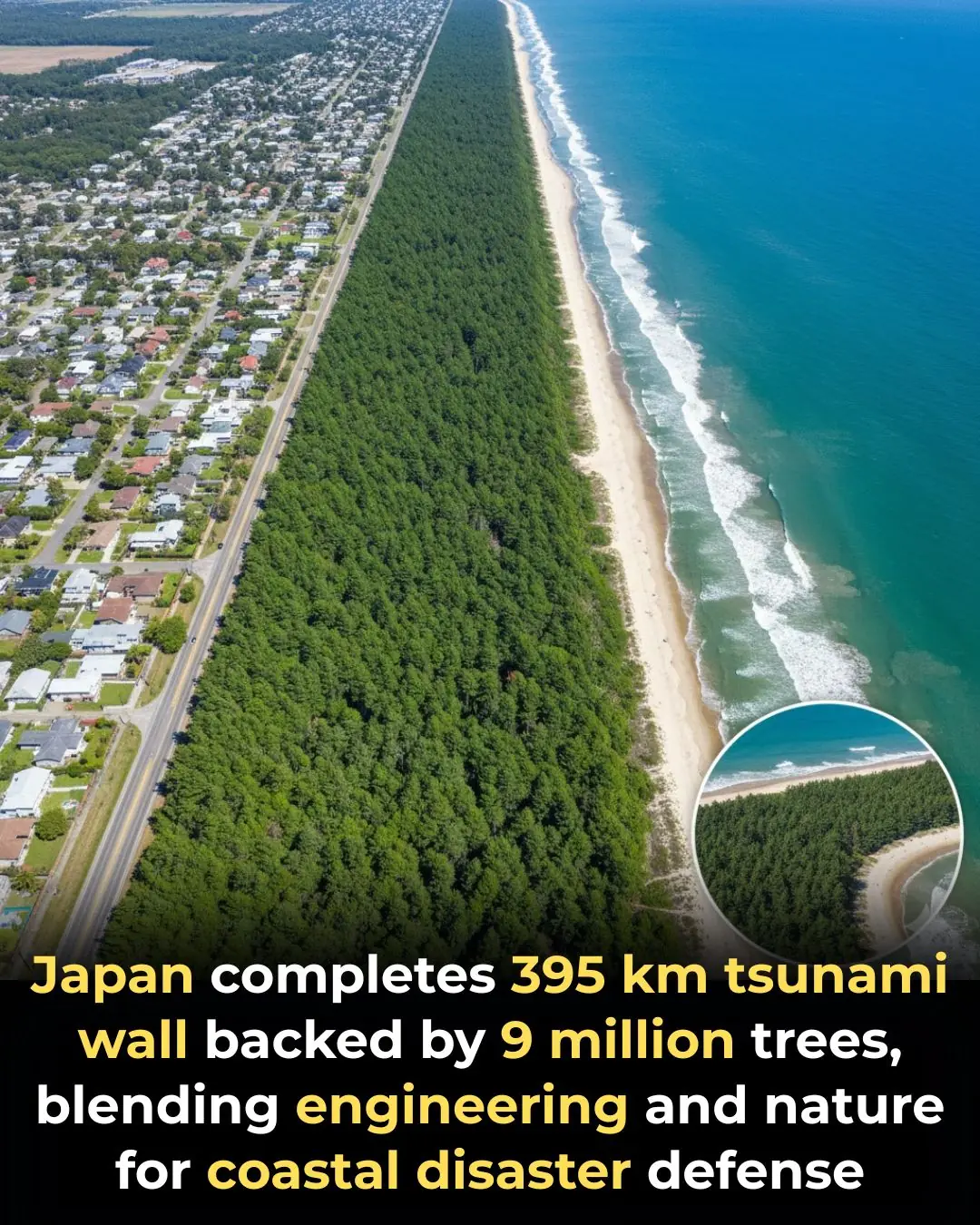
In the small fishing village of Fudai, Japan, Mayor Kotoku Wamura made an extraordinary decision in the 1960s that would later save thousands of lives. At the time, many believed he had lost his mind. But the foresight he displayed in building an immense floodgate proved to be one of the most impactful acts of civic leadership in modern history.
Fudai is a small coastal village with a population of around 3,000. Having experienced the devastation of two deadly tsunamis—one in 1896 and another in 1933, which claimed 439 lives—Wamura was determined that such a tragedy would never strike his community again. In 1967, he ordered the construction of a massive 51-foot seawall to protect the village from potential future tsunamis. However, he didn’t stop there. Realizing that a higher level of protection was necessary, he pushed forward with an even more ambitious project: a massive floodgate for the village’s main cove. The floodgate project, which took over a decade to complete, came at an eye-watering cost of $30 million—a sum that was huge by the standards of the time.
Despite his noble intentions, Wamura’s actions were met with widespread derision. Many of the villagers and local officials thought the floodgate project was a waste of resources. They deemed it too expensive, unsightly, and feared it would block the picturesque views of the ocean that were central to the village’s identity. Wamura faced not only skepticism from the public but also resistance from his own council. Some even accused him of being overly cautious and paranoid. As a result, Wamura’s tenure as mayor was marred by criticism, and the project was considered a monumental failure in the eyes of many.
Nevertheless, Wamura remained resolute. He understood the importance of preparing for the worst-case scenario. After he left office in 1987, Wamura continued to be criticized for his costly and controversial initiative. A decade later, he passed away, with many still questioning the value of the floodgate project.
However, on March 11, 2011, the wisdom of Wamura’s decision became undeniable. A massive 9.0 magnitude earthquake struck off the coast of Japan, triggering a tsunami with waves up to 66 feet tall. The tsunami obliterated several nearby towns, causing widespread devastation and loss of life. But Fudai, thanks to Wamura’s foresight, was spared. The floodgate that had once been derided as an eyesore held firm against the tsunami’s power, and the village emerged almost unscathed. Tragically, one life was lost—a person who was caught outside the protective barrier—but the village as a whole was saved. Fudai’s story stands as a testament to the power of proactive leadership and the importance of long-term thinking in safeguarding communities.
In the years since, the people of Fudai have come to deeply appreciate Wamura’s vision. Today, they visit his grave to honor the man whose unwavering commitment and foresight protected them all. His legacy serves as a reminder that sometimes, true leadership requires standing alone, especially when the benefits of a decision are not immediately apparent. Wamura's story highlights the importance of making decisions based on potential future needs, even when faced with doubt and opposition.
As we reflect on the incredible story of Kotoku Wamura, it’s clear that his actions not only saved Fudai from one of the most devastating tsunamis in history but also provide a valuable lesson in leadership, vision, and resilience. His story shows that the true impact of a decision often takes time to be understood, and in the end, history has a way of proving the visionary right.
Japan National Tourism Organization - Information on the 2011 tsunami and Japan's coastal protection efforts.
NHK World - Coverage on the 2011 disaster and its aftermath, including the Fudai floodgate.
The Japan Times - Articles on the history of tsunamis in Japan and the impact of Kotoku Wamura’s decisions on Fudai’s safety.